

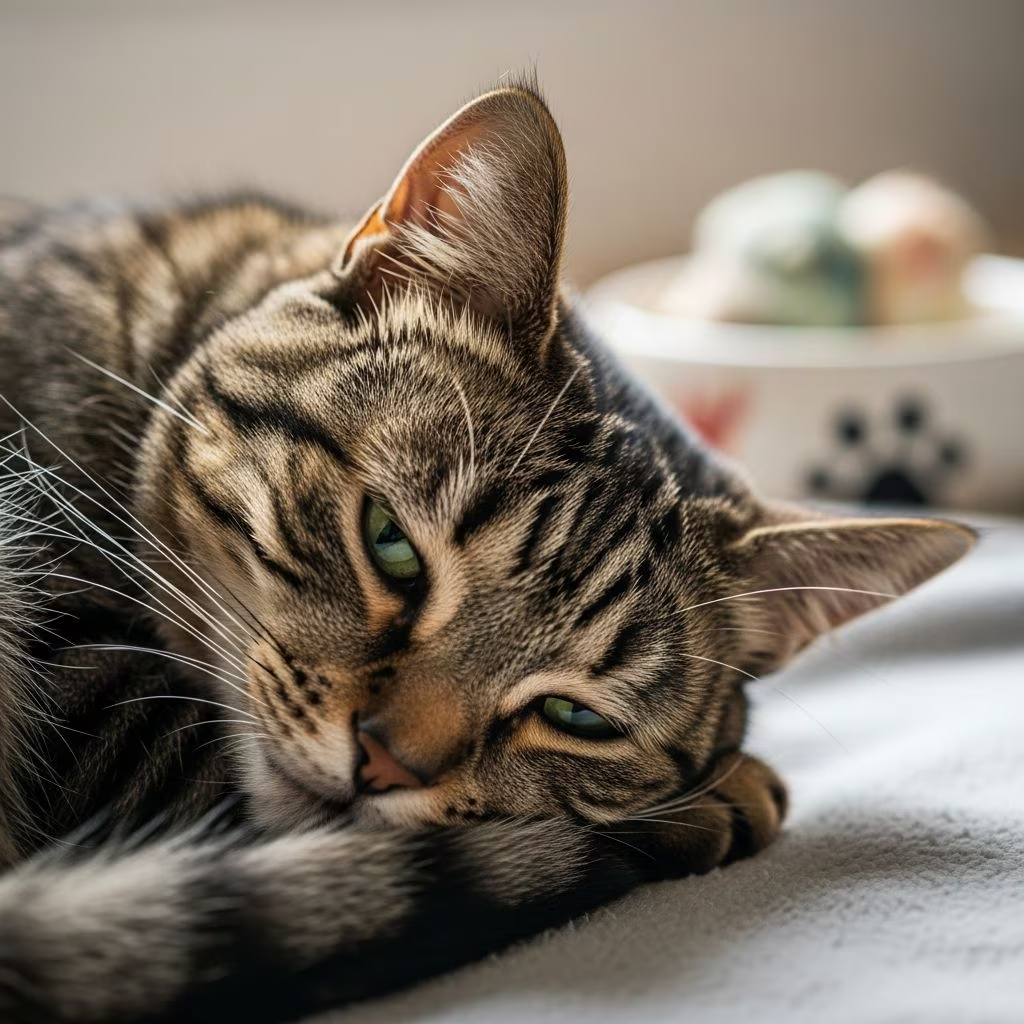
Feline gastroenteritis involves inflammation of the stomach and intestines, often leading to vomiting, diarrhea, and discomfort. This condition affects many cats and requires prompt attention to prevent dehydration and complications.
Recognizing the Signs of Digestive Distress in Cats
Early detection of gastroenteritis can significantly improve outcomes for cats. The hallmark symptoms include persistent vomiting, which may appear foamy or yellowish, and loose or watery stools. Cats might also show reduced interest in food, excessive gas, tiredness, mild fever, or sensitivity when their belly is touched.
Severe indicators demand immediate veterinary care, such as blood in vomit or feces, pale gums signaling anemia, or signs of intense abdominal pain. These could point to ulcers or deeper issues like systemic diseases.
Common Triggers Behind Feline Gastroenteritis
Multiple factors can spark this inflammation. Infectious agents top the list, including bacteria, viruses, parasites, and protozoa that irritate the gut lining.
- Dietary mishaps: Consuming garbage, sudden food switches, or inappropriate items like plants or strings.
- Hairballs: Frequent in grooming cats, blocking normal digestion.
- Toxins and medications: Exposure to household chemicals or adverse drug reactions.
- Underlying health problems: Conditions like kidney disease, pancreatitis, hyperthyroidism, or inflammatory bowel disease can manifest as gastroenteritis.
Stress from environmental changes may also contribute, especially in sensitive felines.
Diagnostic Approaches for Accurate Identification
Veterinarians start with a thorough history and physical exam. Fecal analysis checks for parasites or infections, while blood tests evaluate hydration, organ function, and inflammation markers.
Imaging like X-rays or ultrasounds reveals obstructions or abnormalities. In persistent cases, endoscopy or biopsies provide definitive insights into chronic inflammation.
| Test Type | Purpose | Common Findings |
|---|---|---|
| Fecal Exam | Detect parasites/protozoa | Worms, giardia, bacterial overgrowth |
| Blood Work | Assess dehydration/organ health | Electrolyte imbalances, elevated white cells |
| Imaging (X-ray/Ultrasound) | Visualize obstructions | Foreign bodies, thickened intestines |
| Endoscopy/Biopsy | Examine tissue | Inflammatory bowel disease confirmation |
These steps rule out secondary causes like diabetes or urinary issues.
Immediate Treatment Strategies
Treatment prioritizes stabilization. Withholding food for 12-24 hours allows gut rest, followed by small amounts of bland, highly digestible food.
Fluid therapy is crucial—oral, subcutaneous, or intravenous to combat dehydration and restore electrolytes.
- Medications: Antiemetics like maropitant control vomiting; antidiarrheals and protectants like famotidine shield the stomach lining.
- Antimicrobials: Targeted antibiotics, dewormers, or antifungals if infections are confirmed.
- Probiotics: Restore beneficial gut bacteria for faster healing.
Hospitalization may be needed for severe dehydration or unrelenting symptoms.
Nutritional Support for Recovery
Diet plays a pivotal role. Therapeutic formulas with high digestibility, low fat, and prebiotics minimize irritation while supporting motility and nutrient absorption.
Transition gradually: Start with recovery diets for 5-7 days post-symptom resolution, then blend back to regular food over a week.
Avoid abrupt changes to prevent relapse. For allergy suspects, hydrolyzed protein diets help identify triggers.
Preventive Measures for Long-Term Gut Health
Proactive steps reduce recurrence risks. Regular deworming and parasite preventives are essential, alongside consistent, quality diets.
- Groom frequently to manage hairballs.
- Secure toxins and monitor for dietary indiscretions.
- Minimize stress with stable routines and enrichment.
- Schedule routine vet check-ups for early detection of chronic issues.
When to Seek Emergency Veterinary Help
Not all cases resolve quickly. Contact a vet if symptoms last over 24-48 hours, worsen, or include blood, extreme lethargy, or collapse.
Simple acute episodes often improve in 48 hours with supportive care, but complicated ones linked to IBD or cancer need ongoing management.
FAQs on Feline Gastroenteritis
Can gastroenteritis resolve without vet intervention?
Mild cases from dietary slips may self-limit, but monitoring is key to avoid dehydration. Vet consultation ensures safety.
How long does recovery typically take?
Acute simple cases: 48 hours with treatment. Chronic or complicated: weeks to months with tailored therapy.
Is a special diet always necessary?
Yes, during acute phases and recovery to soothe the GI tract and prevent flare-ups.
Can stress trigger this in cats?
Absolutely—environmental changes can disrupt gut flora and motility.
What home remedies are safe?
Stick to vet advice; avoid over-the-counter human meds. Offer small ice cubes or electrolyte solutions if approved.
Holistic Management for Optimal Feline Wellness
Beyond acute care, consider probiotics routinely and omega-3 supplements for anti-inflammatory benefits. Weight monitoring prevents obesity-related gut strain.
Track stool quality and appetite daily post-recovery. Annual fecal and blood screenings catch issues early.
In multi-cat homes, isolate affected felines to curb infectious spread.
References
- Feline Acute Gastroenteropathy — Purina Institute. 2023. https://www.purinainstitute.com/centresquare/therapeutic-nutrition/feline-acute-gastroenteropathy
- Gastroenteritis in Cats – Causes, Treatment and Associated Conditions — Vetster. 2024. https://vetster.com/en/conditions/cat/gastroenteritis-in-cats
- Gastroentritis — The Cat Clinic. 2023. https://thecatclinic.com.au/gastroentritis/
- Gastroenteritis in Cats: Causes, Symptoms & Treatments — Purina US. 2025. https://www.purina.com/articles/cat/health/digestion/gastroenteritis-in-cats
- Gastroenteritis in Cats — VCA Animal Hospitals. 2024. https://vcahospitals.com/know-your-pet/gastroenteritis-in-cats
- Gastroenteritis in Cats — Pet Health Network. 2024. https://www.pethealthnetwork.com/cat-health/cat-diseases-conditions-a-z/gastroenteritis-cats
- Gastroenteritis in Pets — Mission Veterinary Clinic. 2024. https://missionvet.com/gastroenteritis-in-pets/



