

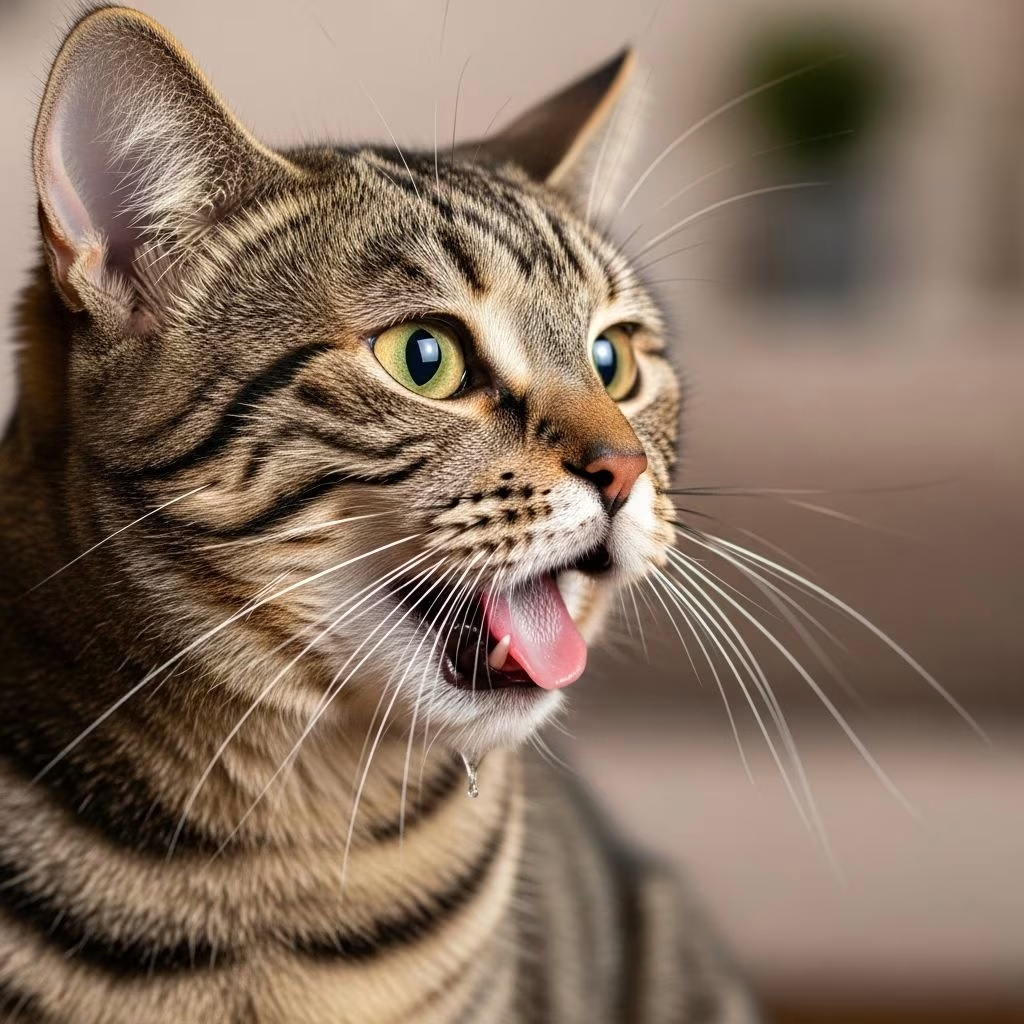
Seeing your cat gagging can be alarming, but it’s a common behaviour often linked to hairballs or eating habits. However, persistent gagging may indicate underlying health problems requiring veterinary attention. This guide covers all potential causes, treatments, and red flags to help you support your cat’s health.
What Does Cat Gagging Look Like?
Cat gagging typically involves retching motions with the head extended, mouth open, and sounds like hacking or dry heaving. Unlike vomiting, it may not produce material, though hairballs can follow. Cats gag to clear irritants from throat, stomach, or airways. Occasional episodes are normal during grooming, but frequent or distressed gagging warrants monitoring.
Common Causes of Cat Gagging
Gagging in cats arises from benign issues to serious conditions. Understanding triggers helps determine if home care suffices or vet intervention is needed.
Hairballs (Most Common Cause)
Hairballs form when cats ingest fur during grooming, which accumulates in the stomach. The digestive system can’t break it down, leading to gagging to expel the mass via vomiting. Long-haired breeds like Persians are prone, but all cats experience this. Multiple gag attempts often precede hairball expulsion.
- Symptoms: Hacking, retching, occasional cylindrical vomit (hairball).
- Frequency: Weekly in grooming-heavy cats.
Eating Too Fast or Overeating
Cats that devour food quickly swallow air, causing nausea and gagging. Overeating stretches the stomach, triggering retching. Kittens and competitive multi-cat households are common culprits.
Solutions include puzzle feeders or portioned meals to slow intake and prevent regurgitation.
Nausea or Upset Stomach
Nausea from dietary indiscretion, toxins, or illness prompts gagging as the body expels irritants. Causes include spoiled food, plants, or cleaners. If gagging leads to vomiting but your cat recovers quickly, it’s often minor.
Allergies and Respiratory Issues
Allergens like pollen, dust, or food trigger throat inflammation, post-nasal drip, or breathing difficulties, causing gagging. Infections such as feline herpesvirus (FVR), calicivirus (FCV), Bordetella, or Chlamydophila felis inflame airways. Asthma, parasites, or fungal issues exacerbate this.
- Signs: Sneezing, discharge, laboured breathing.
Foreign Objects or Blockages
Swallowed strings, toys, or bones can lodge in the esophagus, stomach, or intestines, causing persistent gagging. Nasal or airway obstructions lead to sneezing or choking. This is an emergency if breathing is affected.
Toxins and Medications
Poisons from lilies, antifreeze, or cleaners irritate the GI tract, inducing gagging and vomiting. New medications, especially bitter pills, cause immediate gagging or nausea as side effects.
Dental Disease and Oral Issues
Tooth decay, gingivitis, or mouth ulcers make swallowing painful, prompting pawing and gagging. Abscesses or stomatitis amplify discomfort.
Serious Underlying Conditions
Chronic gagging signals systemic diseases like kidney failure, hyperthyroidism, diabetes, liver disease, or gastroenteritis. Nasopharyngeal polyps, tumours, or heartworms obstruct airways. If accompanied by weight loss or lethargy, seek diagnostics.
When Is Cat Gagging an Emergency?
Not all gagging requires a vet, but these signs demand immediate care:
- Open-mouth breathing or panting (cats don’t pant normally).
- Struggling to breathe, blue gums, or collapse.
- Constant gagging over 24 hours without relief.
- Pawing at mouth, drooling excessively, or refusal to eat/drink.
- Bloody vomit, diarrhoea, or lethargy.
- Suspected foreign body or toxin ingestion.
Emergency vets use imaging and exams to diagnose blockages or poisoning swiftly.
Diagnosis: How Vets Investigate Cat Gagging
Veterinarians start with a physical exam, history review, and may recommend:
- Bloodwork for organ function, infections.
- X-rays, ultrasound, or endoscopy for blockages/polyps.
- Bacterial/viral cultures for respiratory disease.
| Test | Purpose |
|---|---|
| Physical Exam | Check throat, mouth, airways. |
| Blood Work | Detect kidney/liver issues, infections. |
| Imaging (X-ray/Ultrasound) | Identify foreign objects, tumours. |
| Endoscopy | Visualize esophagus/stomach. |
Treatments and Home Remedies for Cat Gagging
Treatment targets the cause:
For Hairballs
- Daily brushing removes loose fur.
- Hairball gels (petroleum-based) lubricate passage.
- Hairball-formula foods with fibre.
Eating-Related
- Slow-feed bowls or puzzle toys.
- Small, frequent meals; wet food transition.
Medical Treatments
- Anti-nausea meds, antibiotics for infections.
- Anti-inflammatories/steroids for allergies/asthma.
- Surgery for blockages, polyps, or tumours.
Monitor for 48 hours post-minor episodes; confine indoors.
How to Prevent Cat Gagging
Proactive steps reduce occurrences:
- Groom regularly: Brush 3-5 times weekly, especially longhairs.
- Optimal diet: High-fibre food; avoid allergens. Transition slowly.
- Slow eating: Use bowls that force measured bites.
- Environment: Remove toxins/plants; secure strings/toys.
- Health checks: Annual vet visits for early detection.
Frequently Asked Questions (FAQs)
Is cat gagging the same as vomiting?
No. Gagging is retching without always expelling material; vomiting ejects stomach contents. Both can relate to hairballs or nausea.
How often is normal for cat gagging?
1-2 times monthly for hairballs is typical. More frequent needs vet evaluation.
Can stress cause gagging in cats?
Yes, anxiety induces nausea leading to gagging, often with hiding or appetite loss.
What if my cat gags but doesn’t vomit?
Dry heaving suggests irritation, allergies, or blockages. Persistent cases require diagnostics.
Should I induce vomiting if my cat gags?
Never. It risks aspiration or worsens blockages. Contact vet first.
This comprehensive guide equips you to address cat gagging effectively. Prioritise observation and professional advice for your pet’s health.
References
- Why Is My Cat Gagging? — North Kenny Veterinary Hospital. 2023. https://northkennyvet.com/blog/cat-gagging/
- Why is my cat gagging? Is it an emergency? — Springhouse Animal Hospital. 2022-08-15. https://www.springhouseanimalhospital.com/site/blog/2022/08/15/reasons-cats-gag
- Gagging and Dry Heaves (Unproductive Vomiting) in Cats — Vetster. 2024. https://vetster.com/en/symptoms/cat/gagging-and-dry-heaves-unproductive-vomiting
- 6 Reasons Why Your Cat is Gagging — Frontier Veterinary Urgent Care. 2023. https://frontierveturgentcare.com/blog/cat-gagging-milwaukee-wi/
- Gagging in cats — Joii Pet Care. 2024. https://www.joiipetcare.com/blogs/health-symptoms/gagging-in-cats
- What Causes Cat Gagging and What to Do — Cats.com. 2024. https://cats.com/cat-gagging
- When is Cat Gagging Considered an Emergency? — EVCC. 2023. https://evcc.com/blog/cat-gagging/



