

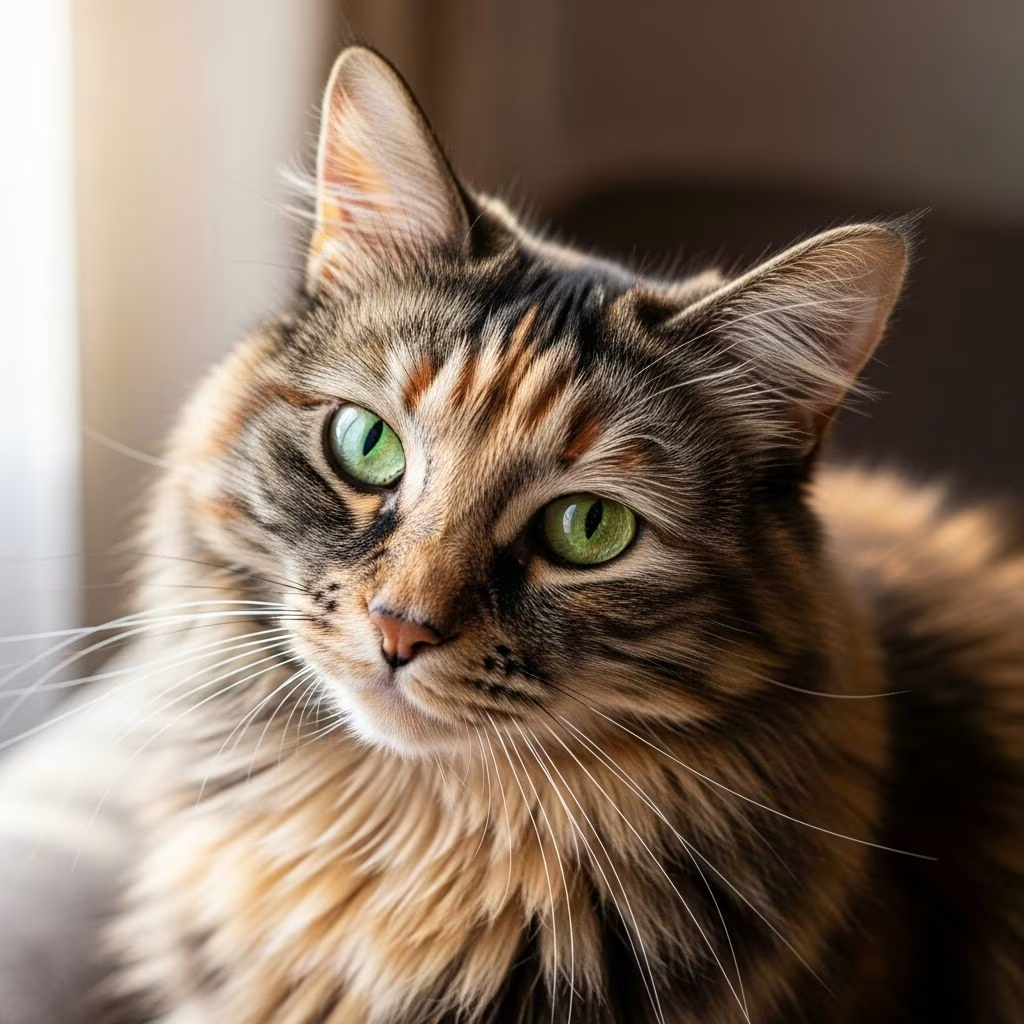
Cat fur plays a vital role in a feline’s health, thermoregulation, and appearance. Understanding fur types, grooming needs, and health indicators ensures your cat stays comfortable and thriving. Regular care prevents issues like matting and hairballs while promoting bonding.
Understanding Cat Fur Types
Cats exhibit diverse fur types, from short and sleek to long and luxurious, each with unique care requirements. Short-haired breeds like the American Shorthair have dense, close-lying coats that shed minimally but still benefit from brushing. Long-haired varieties, such as Persians or Maine Coons, feature silky undercoats prone to tangles, demanding daily attention to avoid mats.
Medium-length coats, seen in breeds like the British Shorthair, strike a balance, requiring weekly grooming. Curly or wiry textures in breeds like the Devon Rex need specialized tools to prevent knots. Fur consists of guard hairs for protection and a soft undercoat for insulation, both distributed by grooming. Recognizing your cat’s type guides effective maintenance.
- Short-haired: Low-maintenance, brush 2-3 times weekly to remove loose fur.
- Medium-haired: Weekly sessions prevent buildup; focus on undercoat.
- Long-haired: Daily brushing essential to avert painful mats.
Benefits of Regular Cat Grooming
Grooming transcends aesthetics, offering profound health advantages. It removes dead hair and skin, distributes natural oils for shine, and stimulates circulation. For owners, it cuts household shedding and allergens, aiding allergy sufferers.
Key benefits include:
- Reduces hairballs by minimizing ingested fur during self-grooming.
- Detects parasites like fleas/ticks and skin issues early.
- Prevents mats that cause pain, infections, or heat stress.
- Strengthens owner-pet bonds through gentle handling.
- Monitors lumps, wounds, or abnormalities.
Even short-haired cats gain from brushing, which desensitizes them to touch and reduces swallowed hair. Professional grooming suits long-haired cats 4 times yearly.
How to Groom Your Cat at Home
Start grooming young for tolerance. Use slicker brushes for loose hair, combs for tangles, and de-shedding tools for undercoats. Brush along hair growth, beginning from head to tail, 5-10 minutes daily for long fur.
| Fur Type | Frequency | Tools | Tips |
|---|---|---|---|
| Short | 2-3x/week | Slicker brush | Focus on back, sides |
| Medium | Weekly | Comb + brush | Check armpits, belly |
| Long | Daily | Wide-tooth comb, slicker | Detangle gently; clip if needed |
Bathe rarely with cat-specific shampoo; older/obese cats may need assistance. Reward with treats to build positive associations.
Common Cat Fur Problems and Solutions
Matting plagues long-haired cats, trapping moisture and causing infections. Solution: Daily brushing; severe cases require vet clipping. Excessive shedding signals stress, diet issues, or allergies; groom more frequently.
Hairballs form from grooming; reduce via brushing and hairball remedies. Bald patches or dull fur indicate parasites, nutrition gaps, or thyroid problems—consult vets. Overgrooming suggests allergies or anxiety.
- Matting: Prevent with routine; shave if painful.
- Shedding: Brush to control; check diet.
- Hairballs: Increase grooming, add fiber.
Cat Fur and Health Indicators
A healthy coat is shiny, smooth, with supple skin. Dull, dry fur signals poor nutrition, dehydration, or illness. Excessive shedding or baldness may denote fleas, ringworm, or hyperthyroidism.
Grooming sessions reveal lumps, hotspots, or parasites. Long-haired cats risk unnoticed issues under mats. Pale gums or lethargy alongside coat changes warrant immediate vet care.
Seasonal Fur Changes and Care
Cats shed seasonally to adapt: spring for cooling, fall for warmth. Brush more during transitions to manage fur volume. Long coats may need summer clipping for comfort, preventing heat stress. Monitor obese/senior cats, as they groom less effectively.
Nutrition’s Role in Coat Health
Diet impacts fur quality. Omega-3/6 fatty acids, proteins, and zinc promote shine. Feed AAFCO-approved foods; supplements aid deficient cats. Hydration supports skin moisture.
Frequently Asked Questions (FAQs)
Why does my cat need grooming if they self-groom?
Cats ingest loose fur, causing hairballs; grooming removes it first. It also spots health issues they miss.
How often should I brush my long-haired cat?
Daily to prevent mats; use appropriate tools gently.
Can grooming help with my cat allergies?
Yes, it reduces dander and shedding in the home.
What if my cat has mats?
Don’t pull; seek vet/groomer for safe removal.
Is bathing necessary for cats?
Rarely; brushing suffices unless soiled. Use feline shampoos.
Professional Grooming Options
For challenging cases, vets or groomers clip, bathe, and check health. Ideal for long-haired or multi-cat homes.
References
- The Benefits Of Grooming Your Cat — Greencross Vets. 2023-05-15. https://www.greencrossvets.com.au/pet-library/articles-of-interest/benefits-of-grooming-your-cat/
- Health Benefits of Grooming Your Cat — Cat Behavior Associates. 2024-02-10. https://catbehaviorassociates.com/health-benefits-of-grooming-your-cat/
- The Top Benefits of Regular Cat Grooming — Eze Paws. 2024-08-20. https://www.ezepaws.com/the-top-benefits-of-regular-cat-grooming
- Medical Benefits of Regular Home Grooming for Cats — Compassion Vet Hospital. 2023-11-05. https://www.compassionvethospital.com/articles/default/418485-medical-benefits-of-regular-home-grooming-for-cats/
- Coat and Skin Appearance in the Healthy Cat — VCA Animal Hospitals. 2025-01-10. https://vcahospitals.com/know-your-pet/coat-and-skin-appearance-in-the-healthy-cat



