

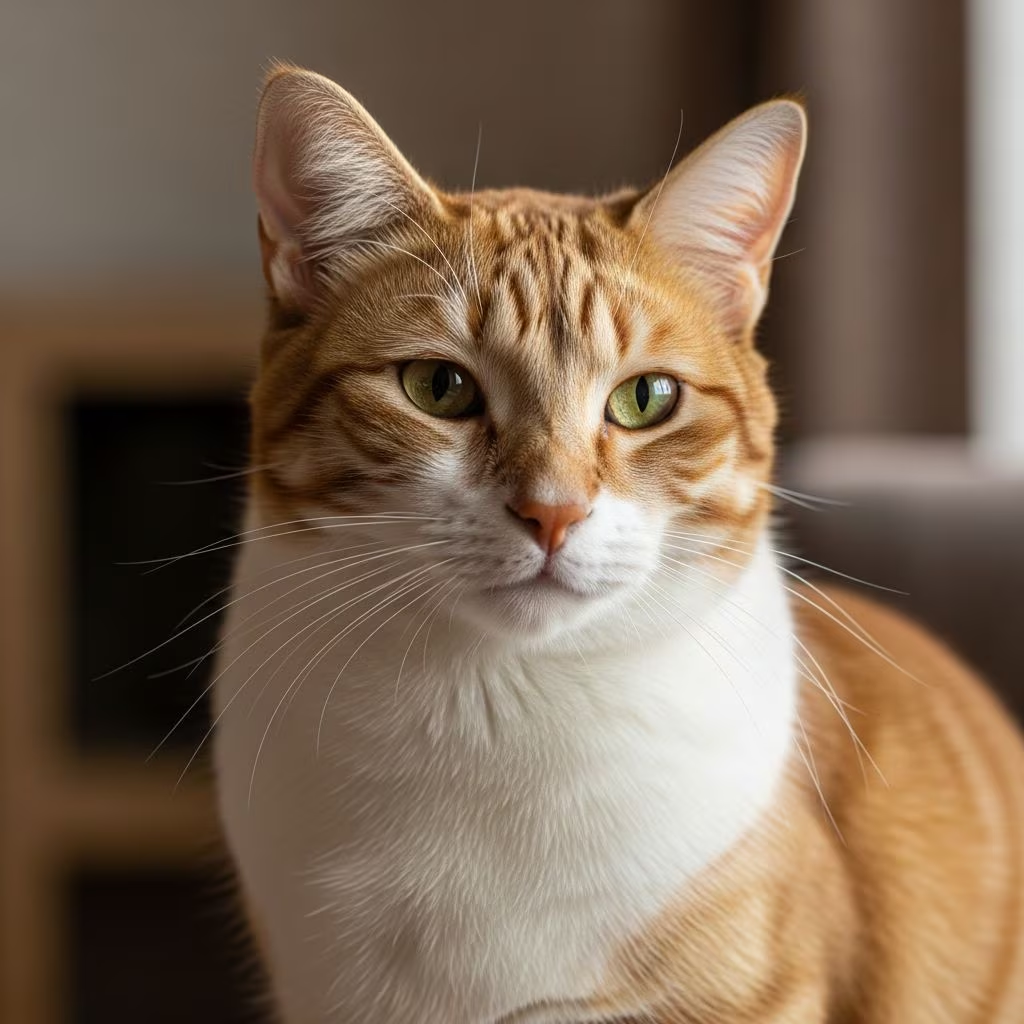
Cat Fur Health: A Complete Guide to Keeping Your Feline’s Coat Healthy
Your cat’s fur is more than just a beautiful feature—it’s a crucial indicator of their overall health and well-being. A shiny, healthy coat reflects good nutrition, proper grooming, and the absence of underlying health issues. Understanding how to care for your cat’s fur is an essential part of responsible pet ownership. Whether your feline friend has short, silky fur or long, luxurious locks, maintaining their coat requires knowledge, consistency, and the right approach.
Why Cat Fur Matters: Beyond Aesthetics
Cat fur serves multiple vital functions beyond making your pet look adorable. The coat provides insulation, protects the skin from environmental damage, and helps regulate body temperature. The skin underneath the fur is sensitive and prone to irritation, infection, and parasitic infestations if not properly maintained. A well-groomed coat allows you to monitor your cat’s skin health, detect abnormalities early, and prevent serious complications. Additionally, a healthy coat contributes to your cat’s comfort and confidence, reducing stress and anxiety that can arise from matted, uncomfortable fur.
Understanding Different Cat Fur Types
Cats come in various coat types, each with unique care requirements. Understanding your cat’s fur type is the first step toward developing an effective grooming routine.
- Short-haired cats: These cats typically require minimal grooming—brushing once a week helps remove dead hair and prevent dander buildup.
- Medium-haired cats: These cats benefit from grooming several times weekly to prevent tangling and matting. Professional grooming two to four times annually is often recommended.
- Long-haired breeds: Persians, Maine Coons, and similar breeds require more intensive care, ideally groomed several times per week or even daily for particularly fluffy individuals. Without regular attention, their luxurious coats can become uncomfortably matted and tangled.
- Senior and kitten coats: Older cats and young kittens require gentler grooming techniques. Introducing kittens to grooming early establishes positive associations, while senior cats benefit from careful handling that minimizes stress.
The Benefits of Regular Grooming
Prevents Mats and Tangles
Matted and tangled fur is not merely an aesthetic concern—it can cause significant discomfort and lead to serious skin problems. Mats trap moisture against the skin, creating an environment where bacteria and fungi can thrive, potentially leading to infections and skin irritation. In severe cases, vets must shave off mats, which is stressful for cats and leaves their skin vulnerable. Regular brushing prevents these painful situations by keeping coats smooth and manageable. The gentle massage of brushing also stimulates blood flow to the skin, promoting overall circulation and health.
Reduces Shedding and Hairballs
One of the most noticeable benefits of regular grooming is the significant reduction in hairballs. Cats naturally groom themselves and ingest loose fur in the process, which can accumulate in their digestive system and form uncomfortable hairballs. By removing excess fur before your cat grooms itself, you substantially decrease the frequency of these unpleasant occurrences. This is particularly important for medium and long-haired cats, whose coats shed more profusely. Regular grooming also controls hair around your home, reducing the amount of fur your cat leaves on furniture and floors, which benefits both your living space and your cat’s health.
Enhances Skin Health
Grooming stimulates the skin and promotes blood circulation, which improves the overall health of your cat’s skin and coat. During grooming sessions, you have the opportunity to inspect your cat’s skin closely for signs of dryness, redness, allergies, or parasites like fleas and ticks. Early detection of these issues is key to preventing more serious health problems. Professional groomers are particularly skilled at identifying subtle abnormalities, lumps, bumps, or sore spots that might otherwise go unnoticed. Additionally, grooming helps rid the coat of shed hair and dead skin cells while distributing natural oils throughout the fur, which keeps it shiny, soft, and healthy.
Reduces Parasites and Prevents Heat Stress
Regular grooming makes it easier to detect and manage parasitic infestations such as fleas and ticks. A professionally groomed coat with appropriate length helps prevent heat stress in warmer months, ensuring your cat remains comfortable throughout the year. Shorter coats reduce the risk of parasites becoming entrenched in the fur and allow for better air circulation against the skin.
Promotes Emotional Well-being and Strengthens Your Bond
Beyond physical health benefits, grooming promotes relaxation and reduces stress and anxiety in cats. The routine mimics a gentle massage, and many cats find the experience soothing. Regular grooming makes cats more comfortable with being handled, which can ease their anxiety during veterinary visits or other stressful situations. Furthermore, cats perceive attentive grooming as a form of affection, strengthening the bond between you and your feline companion. Grooming sessions often result in increased purring, signaling contentment and trust.
Maintaining a Healthy Cat Coat: Best Practices
Grooming Techniques and Tools
Proper grooming technique is essential for effectiveness and your cat’s comfort. Gently comb and brush your cat’s coat in the direction of hair growth until tangle-free. Various types of combs and brushes are available for different coats and degrees of matting. Slicker brushes work well for long-haired cats, while rubber curry brushes are excellent for short-haired varieties. If your pet develops matted fur despite regular brushing, contact your veterinarian for professional advice, as attempting to remove severe mats yourself can injure your cat’s skin.
Professional Grooming Services
While at-home grooming is important, professional grooming services provide additional benefits. Professional groomers have specialized knowledge and tools to manage complex coat issues, perform precise trimming, and conduct thorough health inspections. Regular professional grooming can help reduce problems such as heat stress, parasites, unnoticed lumps, skin irritation, painful mats and knots, excessive shedding, and hairballs.
The Role of Nutrition in Coat Health
While grooming is crucial, nutrition plays an equally important role in maintaining a healthy cat coat. A cat’s fur is almost entirely composed of proteins, making protein-dense foods imperative for keeping fur strong and vibrant. Your cat’s diet should include high-quality animal proteins that provide all essential amino acids.
Healthy fatty acids are equally important—omega-3 fatty acids, commonly found in fish-based foods, are essential for coat health. Without regular consumption of these fats, coats become dry and dull, and skin may develop a greasy appearance. Look for foods rich in the following nutrients:
- High-quality animal proteins
- Omega-3 and omega-6 fatty acids
- Essential vitamins including B vitamins and vitamin E
- Minerals such as zinc and copper
- Biotin and other coat-supporting nutrients
By combining proper nutrition with regular grooming, you create an optimal environment for coat health. Flagging or dull fur often indicates nutritional deficiencies, so consulting with your veterinarian about your cat’s diet is an important step in coat maintenance.
Common Coat Problems and Solutions
| Coat Problem | Causes | Solutions |
|---|---|---|
| Matting and Tangling | Irregular grooming, especially in long-haired cats | Establish regular grooming routine; brush several times weekly; consult vet for severe mats |
| Excessive Shedding | Poor grooming, stress, skin issues, nutritional deficiencies | Regular brushing, improved diet with adequate fats and proteins, rule out underlying health issues |
| Dry, Dull Coat | Nutritional deficiencies, low humidity, dehydration | Increase omega fatty acids in diet, ensure adequate hydration, increase environmental humidity |
| Hairballs | Ingestion of loose fur during self-grooming | Regular grooming to remove loose hair, increased water intake, hairball-specific diet options |
| Skin Irritation | Allergies, parasites, matted fur, environmental factors | Regular grooming for inspection, parasite prevention, veterinary evaluation if persistent |
Age-Specific Grooming Considerations
Kittens
Introducing kittens to grooming early establishes positive associations and creates healthy habits that last throughout their lives. Use gentle techniques and keep sessions short to prevent overwhelming your kitten. Regular early grooming also allows you to inspect their developing skin and coat for any abnormalities.
Adult Cats
Adult cats benefit from consistent grooming routines tailored to their coat type. This is the ideal time to establish preventative grooming habits that reduce the risk of serious coat and skin problems.
Senior Cats
Older cats require gentle grooming that minimizes stress while maintaining coat health. Senior cats may be less flexible and more sensitive to handling, so patience and gentle techniques are essential. Regular gentle grooming supports their physical condition and allows you to monitor for age-related skin changes.
Frequently Asked Questions About Cat Fur Health
Q: How often should I brush my short-haired cat?
A: Short-haired cats typically require brushing once a week to remove dead hair and prevent dander buildup. However, some cats may benefit from more frequent brushing during heavy shedding seasons.
Q: Can I use human shampoo on my cat?
A: No, you should only use cat-specific shampoos and grooming products. Human products can disrupt your cat’s skin pH balance and cause irritation. Consult your veterinarian about appropriate grooming products for your cat’s skin type.
Q: What should I do if my cat develops severe mats?
A: Severe mats should be handled by a professional groomer or veterinarian. Attempting to remove them yourself can injure your cat’s skin. Prevention through regular grooming is the best approach.
Q: How can I tell if my cat has a skin problem?
A: During grooming, look for signs of redness, dryness, scaliness, unusual odors, excessive scratching, or visible parasites. Any persistent skin issues should be evaluated by your veterinarian.
Q: Does nutrition really affect cat coat quality?
A: Yes, absolutely. A cat’s fur is composed primarily of protein, and healthy fats are essential for maintaining coat shine and skin health. A high-quality diet with adequate protein and omega fatty acids significantly improves coat condition.
Q: Is professional grooming necessary for all cats?
A: While short-haired cats can often be maintained with at-home grooming, long and medium-haired cats benefit significantly from professional grooming services. Professional groomers can detect health issues and manage complex coat care that home grooming may not address.
Creating Your Cat’s Personalized Grooming Routine
The key to maintaining your cat’s coat health is developing a consistent, personalized grooming routine that matches their specific needs. Start by assessing your cat’s fur type, length, and current coat condition. Establish a schedule that works for both you and your cat—grooming should be a positive experience, not a stressful one. Invest in appropriate grooming tools, establish a quiet grooming space, and always use gentle techniques. If your cat resists grooming, start with short sessions and gradually increase duration as they become comfortable.
Combine your grooming routine with a high-quality diet rich in proteins and healthy fats, regular veterinary check-ups, and environmental care such as maintaining appropriate humidity levels. By taking a comprehensive approach to coat care, you’ll keep your cat’s fur healthy, beautiful, and comfortable while detecting potential health issues early.
Final Thoughts on Cat Fur Care
Your cat’s coat is a reflection of their overall health and well-being. Regular grooming, proper nutrition, and preventative care are the foundations of a healthy, beautiful cat fur. Whether you choose to groom your cat yourself or seek assistance from professional grooming services, the positive effects can be profound and far-reaching. By investing time and attention in your cat’s coat care, you’re not only enhancing their appearance but also promoting their physical health, emotional well-being, and strengthening your bond. Make grooming a fundamental aspect of your cat’s healthcare routine, and enjoy the benefits of a happier, healthier feline companion.
References
- How Regular Grooming Benefits Your Cat’s Health — Catastrophe Cats. 2024. https://www.catastrophecats.com/post/how-regular-grooming-benefits-your-cat-s-health
- The Benefits Of Grooming Your Cat — Greencross Vets. 2024. https://www.greencrossvets.com.au/pet-library/articles-of-interest/benefits-of-grooming-your-cat/
- The Top Benefits of Regular Cat Grooming — Eze Paws. 2024. https://www.ezepaws.com/the-top-benefits-of-regular-cat-grooming
- Explore Vital Reasons to Brushing Your Cat in 2025 — Safford Vets. 2025. https://saffordvets.com/reasons-to-brush-your-cat/
- The Benefits of Regular Grooming for Your Pet’s Health — Reunion Celebration Vet. 2024. https://reunioncelebrationvet.com/the-benefits-of-regular-grooming-for-your-pets-health/
- The Importance of Cat Nutrition for Keeping a Shiny Coat — Reveal Pet Food. 2024. https://revealpetfood.com/the-importance-of-cat-nutrition-for-keeping-a-shiny-coat/



