

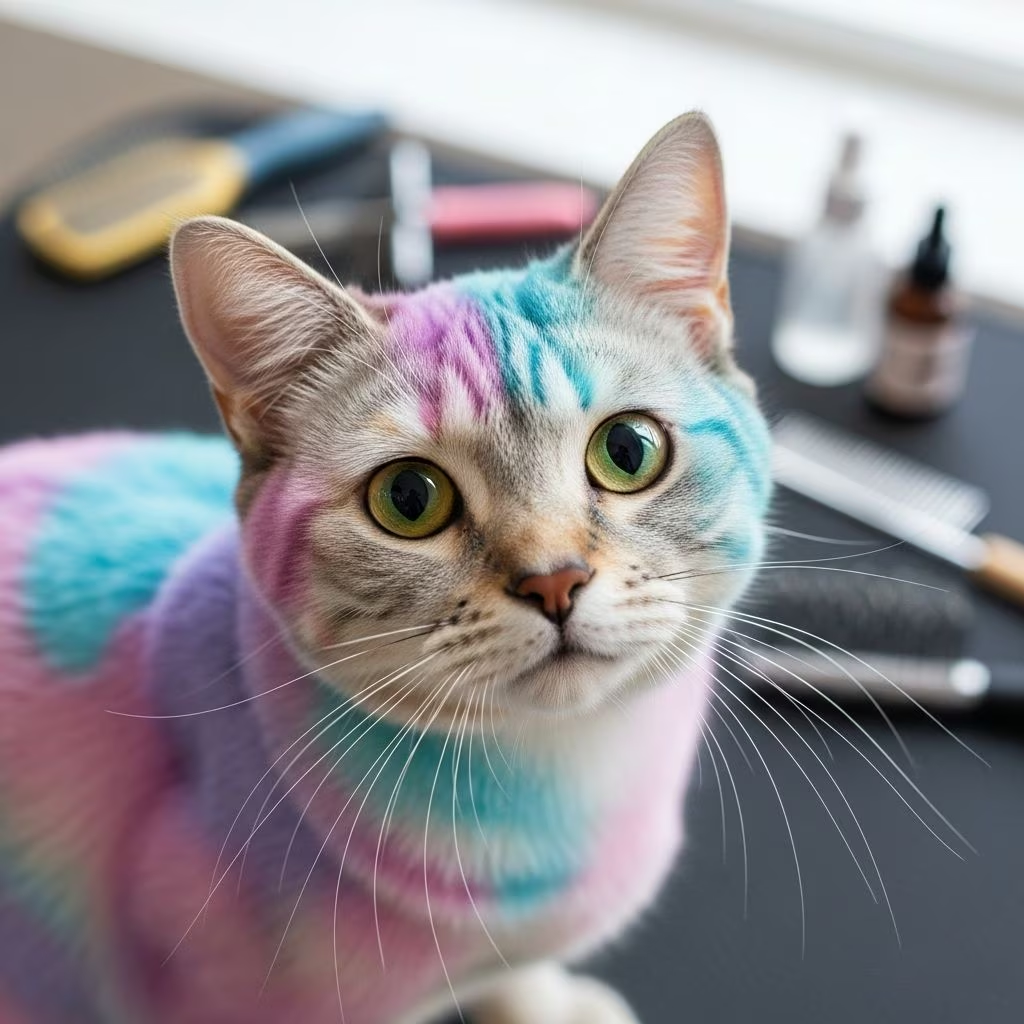
The desire to personalize our pets’ appearance has led many cat owners to consider dyeing their feline companions’ fur. Whether inspired by fashion trends, seasonal celebrations, or simply creative expression, the practice raises important questions about safety and animal welfare. Understanding the potential dangers and exploring safer alternatives is essential before making any decisions about altering your cat’s appearance.
Understanding Your Cat’s Unique Biology
Cats possess a fundamentally different metabolism compared to humans and even dogs, which makes them particularly vulnerable to certain substances. Their liver processes chemicals and medications differently, resulting in heightened sensitivity to compounds that might be relatively harmless to other species. This metabolic difference is why cats react so severely to common medications like acetaminophen (Tylenol) and why many household products pose significant risks to feline health.
When considering fur dyes, this unique metabolism becomes critically important. Because cats spend considerable time grooming themselves by licking their fur, any substance applied to their coat has the potential to enter their digestive system. This means that even trace amounts of harmful chemicals can accumulate and cause serious health consequences. The combination of sensitive skin, self-grooming behavior, and altered liver metabolism creates a perfect storm of vulnerability when it comes to coat treatments.
Why Human Hair Dyes Are Dangerous for Cats
Commercial hair dyes formulated for human use contain chemical compositions designed for thicker human hair and scalp conditions that differ significantly from feline skin and fur structure. These products often contain harsh bleaching agents, ammonia, peroxide at high concentrations, and synthetic pigments that can cause severe reactions in cats.
The dangers associated with human hair dyes include:
- Chemical burns to the mouth, throat, and digestive tract
- Difficulty breathing from inhaled fumes or internal swelling
- Neurological symptoms including stumbling or loss of coordination
- Severe liver damage or failure
- Poisoning from ingestion during grooming
- Skin burns and severe irritation at application sites
Even premium or “natural” human hair dyes marketed as gentle or vegan carry these risks. The formulation process assumes human physiology, not feline biology. Products like herbal-based dyes, while seemingly safer, can still contain concentrated botanical compounds toxic to cats.
The “Natural” Label Misconception
One of the most dangerous assumptions pet owners make is that “natural” automatically means “safe for cats.” This misconception has led to serious health crises in animals. Natural dyes such as henna, while derived from plants, can cause profound toxicity in cats. Veterinary cases have documented animals developing hemolytic anemia—a life-threatening condition involving the destruction of red blood cells—after ingesting henna-based dyes.
Concentrated essential oils present another example of how natural doesn’t guarantee safety. When applied to feline fur, these potent plant extracts can cause:
- Respiratory distress and difficulty breathing
- Neurological symptoms like uncoordination
- Chemical burns in the mouth and throat
- Acute liver failure
The word “natural” on a product label should never be interpreted as veterinary approval or feline safety. Always verify ingredient safety with your veterinarian before application.
Recognizing Adverse Reactions in Your Cat
If you decide to proceed with fur dyeing using products you believe are pet-safe, vigilant monitoring for adverse reactions becomes non-negotiable. Cats cannot communicate discomfort verbally, so recognizing behavioral and physical changes is essential for early intervention.
Watch for these warning signs following dye application:
- Excessive drooling or foaming at the mouth
- Refusal to eat or significant appetite loss
- Lethargy or unusual inactivity
- Increased hiding or withdrawal from normal activities
- Visible redness or irritation of the skin
- Excessive scratching, licking, or grooming at dyed areas
- Vomiting or diarrhea
- Labored breathing or respiratory distress
- Unexplained hives or skin reactions
If any of these symptoms appear, immediate action is necessary. Gently rinse the dye from your cat’s fur using mild liquid dish soap formulated for hand washing, such as Dawn, Joy, or Palmolive. If symptoms persist, worsen, or if your cat shows signs of respiratory distress, contact a veterinary emergency clinic immediately rather than waiting for a routine appointment.
Pet-Safe Dye Options: What Actually Works
If you’re determined to add color to your cat’s coat, certain safer alternatives exist, though even these require veterinary consultation and careful application.
Food-Grade Coloring: Some pet owners use food coloring specifically designed for consumption. However, this approach has significant limitations. The coloring must be diluted appropriately and never contain xylitol, an artificial sweetener toxic to cats. Even diluted food coloring provides minimal color payoff and washes out quickly, limiting its practical application.
Fruit and Vegetable-Based Dyes: Natural pigments from certain produce can create subtle color effects. Beets, for example, produce a purple-red tone and are non-toxic to cats in moderation. Carrots provide orange tinting, and spinach offers green possibilities. These options present lower toxicity risk than commercial dyes, but the results are subtle and temporary. Importantly, even though these vegetables are safe for cats to consume, applying concentrated extracts to fur carries different considerations than eating small portions.
Commercially Available Pet-Safe Dyes: Specialized pet grooming companies have developed dyes formulated for animal fur. These products use lower peroxide concentrations than human dyes, require no bleaching for lighter coats, and contain non-toxic pigments. Certain formulations have passed independent safety testing and achieved low toxicity ratings from testing organizations. However, even pet-safe dyes can cause reactions in individual cats with sensitive skin or underlying health conditions.
Pre-Dyeing Assessment and Patch Testing
Before applying any dye to your cat’s fur, several preparatory steps significantly reduce risk:
Veterinary Consultation: Schedule an appointment with your veterinarian to discuss your intentions. Provide specific product names and ingredients. Your vet can assess your individual cat’s health status, skin condition, and suitability for the procedure. Cats with existing skin conditions, allergies, or health issues face heightened risks.
Patch Testing: Always perform a small-scale test before full application. Apply a small amount of dye to a discreet, easily washed area of your cat’s fur—such as a spot on the inner thigh or behind an ear. Wait a full 24 hours while monitoring closely for any signs of irritation, swelling, redness, or allergic response. Only proceed with full application if no adverse reactions develop.
Coat Preparation: Ensure your cat’s fur is clean, thoroughly dry, and free of tangles before dye application. A healthy coat in good condition better tolerates the process than a neglected or matted one. Regular brushing before the dye date removes loose fur and distributes natural oils that may provide protective benefits.
Assessing Your Cat’s Temperament and Stress Level
Beyond chemical safety, the psychological and physical stress of fur dyeing deserves consideration. Cats are creatures of routine who become stressed by handling, unfamiliar sensations, and loss of control. The process of applying dye—involving extended grooming, handling, potentially unfamiliar scents, and the sensation of wet fur—creates significant stress for many cats.
Signs your cat is unsuitable for dyeing include:
- Aggressive behavior during bathing or grooming
- History of extreme anxiety during veterinary visits
- Any underlying medical conditions requiring stress avoidance
- Age-related concerns (very young or senior cats tolerate stress poorly)
- Recent life changes or environmental stressors
If your cat demonstrates panic, aggression, or extreme fear during grooming preparation, proceeding with dyeing is ethically questionable. Your cat’s emotional wellbeing matters as much as physical safety. A stressed cat may engage in excessive grooming that increases dye ingestion or cause self-injury during the application process.
Comparing Dyeing to Alternative Forms of Cat Personalization
| Personalization Method | Safety Level | Stress Factor | Permanence | Veterinary Approval |
|---|---|---|---|---|
| Fur Dyeing | Moderate to High Risk | High | Temporary (4-12 weeks) | Generally Discouraged |
| Cat Clothing | Low Risk | Moderate | Permanent (while worn) | Generally Approved if Fitted Correctly |
| Collar Accessories | Low Risk | Low | Permanent (while worn) | Generally Approved |
| Temporary Fur Glitter | Low to Moderate Risk | Moderate | Very Temporary | Case-Dependent |
Emergency Response Protocols
If your cat ingests dye or shows severe symptoms after dyeing, knowing how to respond saves lives. Contact the ASPCA Animal Poison Control Center immediately at their emergency hotline. Have the product name and complete ingredient list available. If your cat cannot reach specialized poison control, proceed directly to the nearest 24-hour emergency veterinary clinic. Do not wait for regular business hours.
Provide veterinarians with complete information about the product used, time of application, estimated amount of dye contacted or ingested, and any symptoms observed. Treatment depends on the specific toxin involved and may include activated charcoal to bind ingested toxins, supportive care including IV fluids, liver protective medications, and monitoring for complications.
Frequently Asked Questions
Is it ever completely safe to dye a cat’s fur?
No dye application carries zero risk. Even products marketed as pet-safe can cause allergic reactions or adverse effects in individual cats. Cats’ unique metabolism and self-grooming behavior create inherent risks with any coat coloring.
What’s the difference between pet-safe and human hair dye?
Pet-safe dyes use lower peroxide concentrations, non-toxic pigments, and formulations designed for animal skin pH and fur structure. Human dyes contain stronger bleaching agents and chemicals not tested for animal safety.
How long does dye last on cat fur?
Temporary dyes typically last 4-12 weeks depending on the product, frequency of bathing, and individual cat shedding rates. Semi-permanent dyes may last longer, but complete removal requires new hair growth.
Can indoor cats be dyed safely?
Location doesn’t change the inherent risks. Indoor or outdoor status doesn’t make dyeing safer—the same health concerns apply regardless of your cat’s lifestyle.
What should I do if my cat has a bad reaction?
Rinse the dye off immediately with mild dish soap and cool water. Contact your veterinarian or emergency animal poison control center. Seek emergency care if your cat shows respiratory distress, severe drooling, or loss of consciousness.
Making a Responsible Decision
The decision to dye your cat’s fur ultimately rests with you as a responsible pet owner. However, veterinary professionals generally advise against the practice due to documented risks and the availability of safer alternatives. Your cat’s natural coloring is inherently beautiful and carries no health risks.
If you choose to proceed, do so with complete awareness of potential dangers, after veterinary consultation, with proper patch testing, and with commitment to monitoring your cat closely for adverse reactions. Never prioritize aesthetic novelty over your cat’s health and emotional wellbeing. Consider alternative forms of pet personalization that carry fewer risks and cause less stress to your feline companion.
References
- Cat Hair Dye: Is it Safe to Dye Cat Fur? — Pet Health Network. Accessed January 2026. https://www.pethealthnetwork.com/cat-health/cat-grooming/cat-hair-dye-it-safe-dye-cat-fur
- Is it safe to dye a cat’s fur, or should I be worried about harmful effects? — Dial A Vet. Accessed January 2026. https://www.dialavet.com/vet-answers/pet-safe-dye-cat-risks-21478
- Pet-Safe Fur Dye & Halloween Costumes — Preventive Vet. Accessed January 2026. https://www.preventivevet.com/pets/halloween-pet-safe-costumes-fur-dye
- Dying My Cat’s Fur: Is It Safe? — CatGenie. Accessed January 2026. https://www.catgenie.com/blogs/catgazette/dying-my-cats-fur-is-it-safe
- Is Pet Hair Dye Containing Peroxide Toxic? — OPAWZ. Accessed January 2026. https://www.opawz.com/blogs/tutorials/is-pet-hair-dye-containing-peroxide-toxic
- The Safety of Pet Hair Dye: Expert Insights from The Rich Groomer — The Rich Groomer Pet Groomers in Sacramento. Accessed January 2026. https://therichgroomer.com/rich-groomer-blog/the-safety-of-pet-hair-dye-expert-insights-from-the-rich-groomer-pet-groomers-in-sacramento/



