

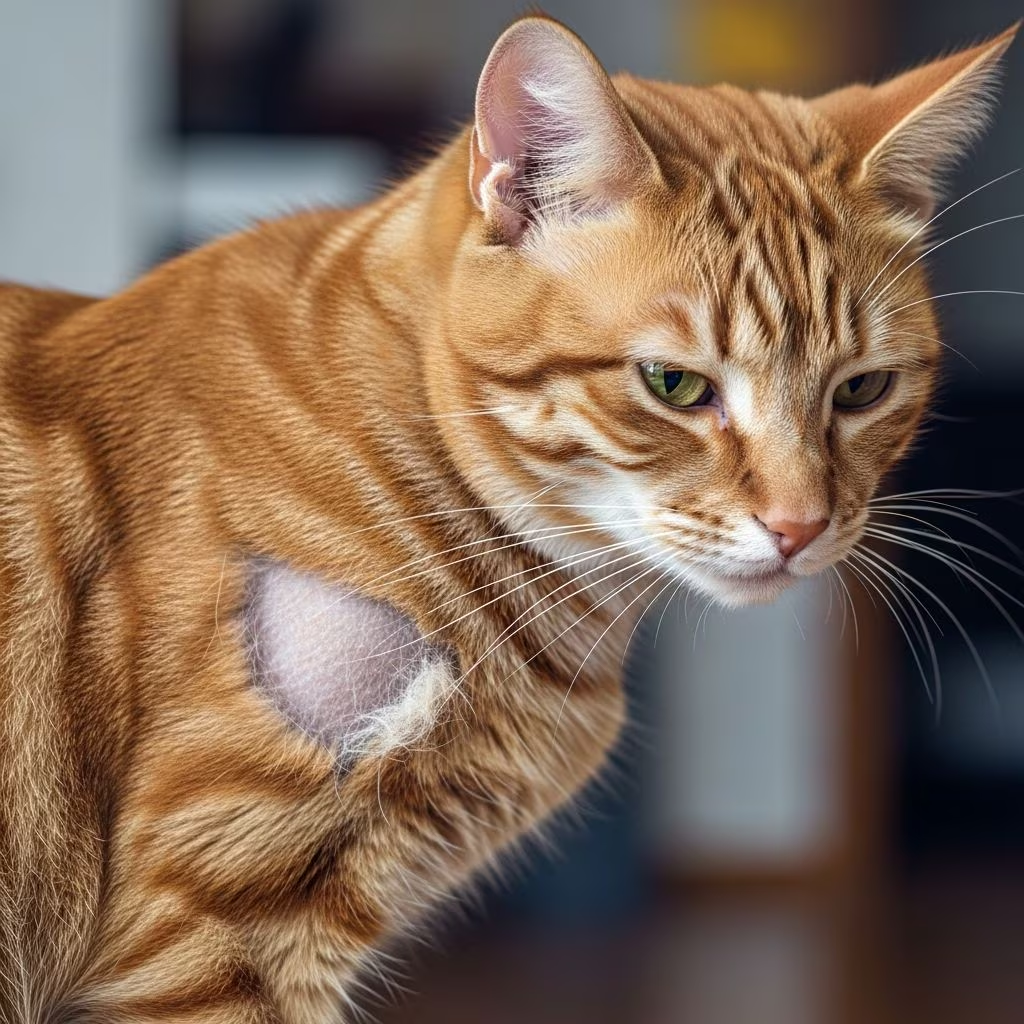
Cats occasionally licking or nibbling their fur is normal self-grooming behavior, but excessive chewing that leads to bald patches signals an underlying issue. This condition, often called fur mowing or psychogenic alopecia, requires prompt attention to prevent skin damage and identify root causes like allergies, parasites, or anxiety.
Recognizing Excessive Fur Chewing in Cats
Observe your cat’s grooming habits closely. Normal grooming involves licking to clean and distribute oils, but chewing creates short stubble-like fur or bare skin, typically on the belly, flanks, or legs. Unlike shedding, this is self-inflicted and symmetrical, often sparing the head and tail.
- Symptom Spotlight: Bald spots with smooth skin, no redness initially.
- Progression: May lead to irritated skin, scabs, or infections if unchecked.
- Behavioral Clues: Increased grooming time, frantic licking sounds, or chewing after stress events.
Early detection is crucial since untreated chewing can escalate to severe dermatitis. Track patterns: Does it worsen seasonally or after diet changes? This data aids veterinarians in diagnosis.
Common Medical Triggers for Fur Chewing
Many cases stem from physical discomfort prompting itch-relief grooming. Parasites top the list, with fleas causing Flea Allergy Dermatitis (FAD), where even one bite triggers intense chewing.
| Condition | Symptoms | Prevalence |
|---|---|---|
| Flea Allergy | Chewing at base of tail, red skin | Most common in warm climates |
| Mange/Mites | Crusty ears, hair loss on head | Rare indoors, higher in multi-pet homes |
| Ringworm | Circular bald patches, scaling | Fungal, contagious |
Food allergies manifest as chronic chewing on paws or belly, while environmental allergens like pollen provoke year-round issues. Hyperthyroidism in older cats increases grooming due to elevated metabolism, and pain from arthritis limits normal grooming, leading to compensatory chewing.
Behavioral and Psychological Factors
When medical tests rule out issues, psychogenic causes emerge. Stress from household changes—new pets, moves, or loud noises—triggers compulsive grooming as a coping mechanism. Boredom in indoor cats lacking stimulation mimics this, with chewing focused on accessible areas.
- Stress Indicators: Hiding, aggression, or appetite loss alongside chewing.
- Breed Predispositions: Siamese and Burmese cats show higher rates of compulsive behaviors.
- Environmental Impact: Poor litter box hygiene or isolation amplifies anxiety-driven chewing.
Unlike dogs, cats internalize stress subtly, making behavioral chewing harder to spot until fur loss appears. Holistic approaches addressing lifestyle often resolve these cases.
Step-by-Step Diagnosis Process
Veterinary evaluation starts with a thorough history: onset, diet, flea prevention, and home environment. Physical exams check skin scrapings for mites and flea combing for evidence.
- Skin Cytology: Tape or swab to detect bacteria/yeast.
- Flea Trials: Strict flea control for 4-6 weeks to test for FAD.
- Allergy Testing: Intradermal or blood tests for food/environmental triggers.
- Biopsy: For persistent cases, confirming alopecia type.
- Bloodwork: Rules out endocrine disorders like hyperthyroidism.
Owners play a key role by providing photos of affected areas and grooming logs. Differential diagnosis separates true chewing from symmetric shedding or nutritional deficiencies.
Treatment Strategies for Medical Causes
Tailor treatments to the diagnosis. For parasites, year-round topical preventives like selamectin eradicate fleas effectively. Bacterial infections respond to topical antibiotics, while fungal issues need oral meds and isolation.
Allergies demand elimination diets—novel proteins like duck for 8-12 weeks—under vet supervision. Antihistamines or Apoquel provide relief for environmental allergies, avoiding long-term steroids due to side effects.
- Pain Management: NSAIDs for arthritis encourage normal grooming.
- Hormonal Fixes: Methimazole for hyperthyroidism curbs excessive activity.
Monitor progress bi-weekly; full regrowth takes 2-3 months with consistent care.
Managing Behavioral Fur Chewing
Address psychogenic cases through environmental enrichment. Pheromone diffusers like Feliway reduce anxiety, proven to cut grooming by 50% in studies. Increase play with interactive toys, vertical spaces, and puzzle feeders to combat boredom.
| Strategy | Implementation | Expected Outcome |
|---|---|---|
| Enrichment | Daily 15-min play, cat trees | Reduces stress chewing |
| Medications | Fluoxetine if severe | Lowers compulsion |
| Training | Positive reinforcement | Redirects grooming |
Professional behaviorists use counter-conditioning, pairing chew areas with treats. Avoid punishment, as it heightens anxiety. Cone collars prevent access temporarily while behaviors normalize.
Preventive Grooming and Home Care Tips
Regular brushing distributes oils and removes loose fur, reducing hairballs that mimic chewing. Bathing is rare but useful for severe cases with vet-approved shampoos. Nail trims every 2 weeks prevent scratches on chewed skin.
- Diet Optimization: Omega-3 supplements soothe skin.
- Litter Maintenance: Scoop daily to minimize stress.
- Seasonal Vigilance: Boost flea checks in summer.
Track weight and coat via monthly photos for early intervention.
When to Seek Emergency Veterinary Help
Escalate if chewing exposes raw skin, causes lethargy, or coincides with vomiting/diarrhea. Rapid baldness or facial involvement suggests urgent issues like autoimmune disease. Delaying risks secondary infections requiring hospitalization.
FAQs on Cat Fur Chewing
Is fur chewing always a sign of allergies?
No, parasites, stress, or pain are equally common. Vet diagnostics pinpoint the cause.
Can diet alone fix my cat’s chewing?
Hypoallergenic trials help food-related cases, but combine with flea control for best results.
How long until fur regrows after stopping chewing?
Typically 1-3 months with treatment; patience is key.
Do indoor cats chew fur less?
Not necessarily; stress or diet issues persist indoors.
Is a cone collar safe long-term?
Use short-term (1-2 weeks); focus on root cause resolution.
Long-Term Monitoring for Recurrence
Post-treatment, maintain flea preventives, annual bloodwork, and stress logs. Annual vet checkups catch relapses early. With diligence, most cats regain full coats and comfort.
(Word count: 1678)
References
- Grooming and Coat Care for Your Cat — VCA Animal Hospitals. 2023-05-15. https://vcahospitals.com/know-your-pet/grooming-and-coat-care-for-your-cat
- The Ultimate Guide to Cat Grooming: Frequency and Tips for Pet Owners — The International Cat Association (TICA). 2024-02-10. https://tica.org/blogs/the-ultimate-guide-to-cat-grooming-frequency-and-tips-for-pet-owners/
- Grooming Your Pet — American Humane Society. 2023-11-01. https://www.americanhumane.org/public-education/grooming-your-pet/



