

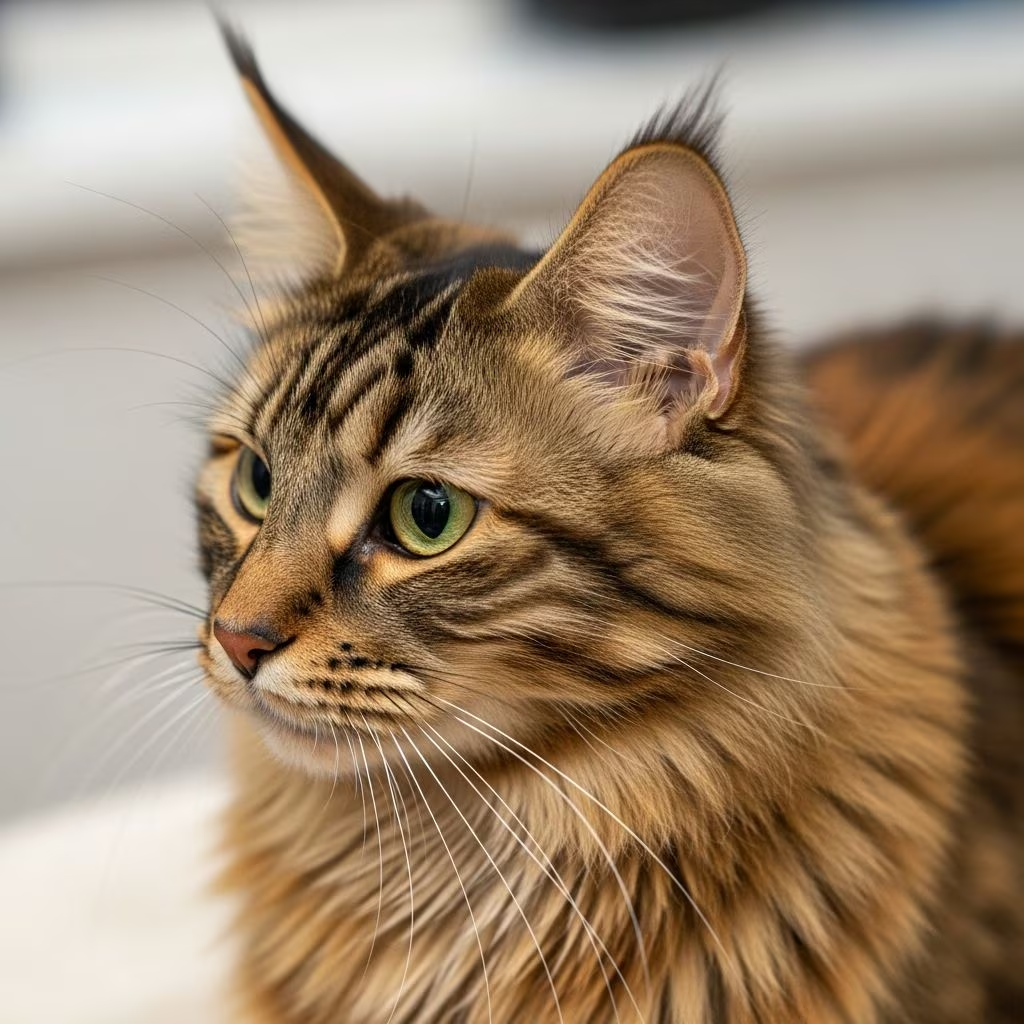
Observing your cat’s fur changing color can be alarming, but it’s often a normal process or a sign of manageable issues. While some changes are harmless—like those due to age or genetics—others may indicate underlying health problems requiring veterinary attention. This article breaks down the six primary reasons for feline coat color changes, drawing from veterinary insights to help you understand when it’s benign and when to act.
The 6 Reasons Why a Cat’s Fur Might Change Color
Cat fur color is determined by melanin produced in hair follicles by melanocytes. Disruptions to this process—from environmental factors to diseases—can alter pigmentation. Here’s a detailed look at the most common causes.
1. Age
Aging is one of the most straightforward reasons for fur color changes in cats. As cats grow older, the melanocytes in their hair follicles naturally degrade, leading to graying or lightening of the coat, similar to humans. This is especially noticeable in darker cats, where black fur may turn silvery or white around the muzzle, ears, and back.
Kittens often start with denser melanocytes, which is why young cats have vibrant coats that may mellow over time. Scientists note that cats seem to retain color longer than some mammals, but by 10-15 years, many show visible graying. This process accelerates in senior cats (over 11 years), and it’s irreversible but harmless unless accompanied by other symptoms like hair loss.
- Signs: Gradual graying starting at the face and spreading.
- Prevalence: Common in all breeds, more evident in black or tabby cats.
- Action: Monitor for patchy loss; routine senior check-ups suffice.
2. Genetics
Genetic factors play a significant role in coat color evolution, particularly in certain breeds. Siamese and related pointed breeds (like Himalayan or Balinese) are born white or cream and develop their signature dark points on ears, face, paws, and tail as they mature—typically by 6-12 months.
This delayed pigmentation stems from the colorpoint gene, a mutation affecting tyrosinase, the enzyme for melanin production. Similarly, Burmese cats develop russet tones on the head and back with age. These changes are normal and breed-specific, posing no health risks. Other genetic quirks include the golden shading from the CORIN gene or albinism in rare cases.
- Affected Breeds: Siamese, Burmese, Tonkinese, Persians (some lines).
- Timeline: Kittens darken post-weaning; points intensify until adulthood.
- Tip: Pedigree records confirm if expected.
3. Temperature and Melanin Suppression
Temperature-sensitive pigmentation is unique to colorpoint breeds like Siamese. Their fur darkens where body temperature is cooler—extremities below 36°C (96.8°F)—due to a tyrosinase mutation. In warmer climates or heated homes, points may lighten; cold winters darken them.
Injuries can create localized color shifts as affected skin cools or warms differently. Aging lowers overall body temperature, intensifying points over time. Non-pointed breeds rarely show this, but extreme temperature swings can subtly affect any cat.
| Factor | Effect on Colorpoint Cats | Example |
|---|---|---|
| Cold Exposure | Darker points | Winter fur deepens |
| Warm Environment | Lighter body/points | Summer fading |
| Injury/Scar | Dark patch if cooled | Post-shave darkening |
4. Sun Exposure
Prolonged sunlight fades fur, especially in black cats, turning it rusty or reddish. UV rays break down eumelanin (black pigment), mimicking bleaching. Light-colored cats may yellow, while all risk sunburn on thin-furred areas like noses and ears.
This is most common in outdoor or window-perched cats. Prevention includes sunscreen for light skin, limited sunbathing, and indoor living. The change is cosmetic and reverses with new growth, but repeated exposure thins fur.
- Risk Groups: Black cats, outdoor roamers.
- Prevention: UV-protective window films, midday shade.
5. Poor Nutrition
Nutritional deficiencies directly impact melanin synthesis, causing dramatic shifts. Tyrosine and phenylalanine shortages—common in low-quality diets—turn black fur reddish-brown, as these amino acids are melanin precursors. Cats need over 5g of tyrosine daily, double what their bodies produce.
Copper deficiency lightens dark coats; excess zinc blocks copper absorption, mimicking this. General malnutrition dulls vibrancy. Switching to AAFCO-approved, high-protein food often restores color within months. Vet bloodwork confirms deficiencies.
- Common Deficiencies: Tyrosine (reddish tint), copper (fading), zinc imbalance.
- Solution: Balanced commercial diets; supplements only vet-prescribed.
6. Medical Conditions
Serious health issues can trigger coat changes. Feline hyperthyroidism (overactive thyroid) causes thinning, luster loss, and color shifts alongside weight loss and hyperactivity. Cancers disrupting hormones or metabolism may lighten fur.
Stress elevates noradrenaline, potentially graying fur prematurely. Allergies, infections, or excessive grooming deposit salivary pigments, reddening light fur. Autoimmune diseases like vitiligo create white patches. Chemical exposure (bleach) bleaches or stains.
Red Flags: Sudden changes with lethargy, appetite shifts, or lumps—seek vet immediately.
Other Potential Causes of Cat Fur Discoloration
Beyond the top six, consider:
- Stress/Pain: Noradrenaline surge grays fur.
- Chemicals: Bleach lightens; others stain.
- Infections/Allergies: Over-grooming adds brown saliva pigments.
- Depigmentation Disorders: Vitiligo, lupus, albinism.
When to See a Vet
Not all changes warrant panic, but consult a vet if:
- Color shift is rapid or patchy.
- Accompanied by hair loss, itching, weight changes, or lethargy.
- Your cat is senior or has known conditions.
Diagnostics may include blood tests, thyroid panels, biopsies, or nutrition assessments. Early intervention prevents progression.
How to Maintain a Healthy Cat Coat
Prevent issues with:
- High-quality, tyrosine-rich diet.
- Regular grooming to distribute oils.
- Sun protection and stable temperatures.
- Stress reduction via enrichment.
- Annual vet exams.
Frequently Asked Questions (FAQs)
Is cat fur changing color normal?
Yes, gradual changes from age, genetics, or seasons are normal. Sudden or patchy shifts need vet evaluation.
Why do Siamese cats darken with age?
Their temperature-sensitive gene produces more melanin as body temperature drops, intensifying points.
Can diet fix my cat’s rusty fur?
Often yes—if tyrosine deficiency; upgrade to premium food and consult a vet.
Does stress turn cat fur gray?
Possibly, via noradrenaline; manage with calm environments.
What if my cat’s fur lightens suddenly?
Check for hyperthyroidism, nutrition, or sun—vet bloodwork is key.
References
- Why Cats’ Coats Change Color — Cat Tales, Columbian Blogs. 2022-06-26. https://blogs.columbian.com/cat-tales/2022/06/26/why-cats-coats-change-color/
- Is Your Cat’s Fur Changing Color? Here’s What It Means — ZezeLife. N/A. https://www.zezelife.com/is-your-cats-fur-changing-color-heres-what-it-means/
- My Cat’s Fur is Changing Color: 6 Vet Approved Reasons — Catster. N/A. https://www.catster.com/lifestyle/cat-fur-changing-color/
- Cat Coat Genetics — Wikipedia (references primary genetics studies). N/A. https://en.wikipedia.org/wiki/Cat_coat_genetics
- Depigmentation Disorders in Cats — WagWalking. N/A. https://wagwalking.com/cat/condition/depigmentation-disorders



