

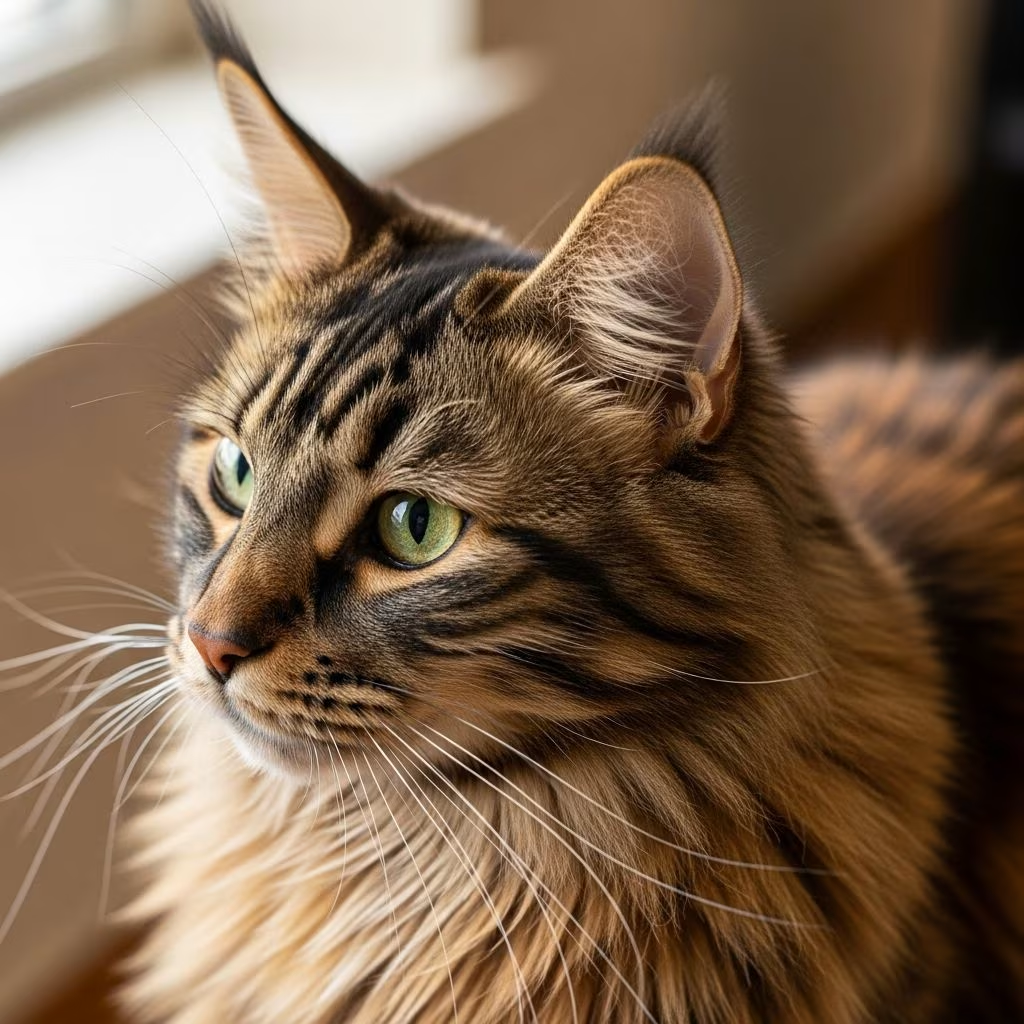
Observing your cat’s fur shift from its usual hue can be alarming for any pet owner. Whether it’s a black coat turning rusty red or a once-vibrant color fading, these changes are often normal but sometimes signal underlying issues. This comprehensive guide covers the six primary reasons for cat fur color changes, drawing from veterinary insights and scientific understanding. Understanding these causes helps you decide if it’s harmless aging or time for a vet visit.
The 6 Reasons Why a Cat’s Fur Might Change Color
Cat fur color is determined by melanin production in hair follicles, influenced by genetics, environment, and health. Here are the key factors:
1. Age
Aging is one of the most common and benign reasons for fur color changes in cats. Melanocytes, the cells responsible for producing melanin—the pigment giving fur its color—naturally decline over time. This leads to graying, fading, or lightening, similar to human hair turning gray. Black cats may develop rusty tones as melanin production slows, particularly noticeable in older felines.
For instance, as cats enter their senior years (typically 11+), reduced melanin can cause dark fur to lighten or take on reddish hues. This process is gradual and irreversible but not harmful. Owners often notice it first on the face, ears, and tail. While nothing can reverse age-related changes, maintaining a healthy diet supports overall coat quality.
2. Genetics
Certain cat breeds exhibit fur color changes purely due to their genetic makeup. Siamese, Himalayan, and other pointed breeds like Oriental Shorthairs are born with lighter coats that darken at the points (ears, face, paws, tail) as they mature. This is not a defect but a breed trait where kittens start cream or white, developing signature dark points within weeks to months.
Burmese cats show russet coloration developing on the head and back with age. These changes are harmless and predictable. If your cat is a pointed breed, color shifts align with genetic patterns rather than health concerns. Genetic color evolution underscores the diversity in feline coats, from solid colors to intricate patterns influenced by multiple genes.
3. Temperature and Melanin Suppression
Temperature plays a crucial role in fur coloration, especially in colorpoint breeds. A mutation in the tyrosinase enzyme—the key player in melanin production—means pigment only forms in cooler skin areas below 36°C (96.8°F). Thus, extremities like paws, ears, tail, and face stay cooler, producing darker fur while the body remains lighter.
Environmental temperature affects this too: cats in colder climates develop darker coats, while warmer settings lighten them. Siamese cats often darken in winter and fade in summer. Injuries or shaved areas can alter local skin temperature, causing localized color changes—darker over healed wounds due to cooler regrowth.
- Siamese/Himalayan: Darker points in cool weather.
- General effect: Colder environments intensify color.
- Injury-related: Fur over scars may lighten or darken.
4. Sun Exposure
Like human hair bleaching in the sun, ultraviolet (UV) rays break down melanin in cat fur, causing fading or rusting. Black cats are most affected, with coats turning reddish-brown or “rusty” after prolonged outdoor time. This is common in free-roaming cats basking in sunlight.
While cosmetic, excessive UV exposure raises skin cancer risks, especially in light-skinned or sparsely furred areas. Indoor cats with window perches may show milder fading. Prevention includes limiting direct sun, using pet-safe sunscreens on ears/nose, and monitoring for skin changes. The effect reverses with new growth if exposure stops, but prevention is key for health.
5. Poor Nutrition
Nutritional imbalances directly impact fur pigmentation. Tyrosine and phenylalanine, amino acids essential for melanin synthesis, are critical. Deficiency—common in poor-quality diets—turns black fur reddish as melanin production falters. Cats need over 5g of tyrosine daily, more than their bodies produce.
Other factors include:
- Copper deficiency: Impairs pigment production, leading to fading.
- Excess zinc or copper: Can darken brown fur to black or cause other shifts.
- Excess protein: In seniors, may darken coats but requires balance.
Switching to high-quality, AAFCO-approved cat food often restores color. Vet blood tests confirm deficiencies; supplements like tyrosine should be vet-guided to avoid overload.
6. Medical Issues
Fur color changes can flag health problems. Feline hyperthyroidism, common in seniors, overactivates the thyroid, causing metabolism chaos: weight loss, hyperactivity, and coat thinning with color shifts or dullness.
Other culprits:
- Stress/pain: May induce premature graying via noradrenaline surges.
- Chemical exposure: Bleach or cleaners cause bleaching/staining (e.g., yellow patches).
- Injuries: Trauma alters pigment in regrowing fur.
Accompanying symptoms like lethargy, appetite changes, or skin issues warrant immediate vet attention. Diagnostics like bloodwork rule out thyroid issues or deficiencies.
Black Cat Fur Turning Red: Specific Causes and Fixes
Black cats turning rusty red is a frequent concern. Primary causes:
| Cause | Description | Solution |
|---|---|---|
| Aging | Melanin slows naturally. | Monitor health; no reversal. |
| Sun Bleaching | UV destroys melanin. | Limit sun; check skin cancer risk. |
| Tyrosine Deficiency | Impairs dark pigment. | Balanced diet/supplements. |
Consult a vet to differentiate; dietary tweaks often resolve nutrition-based issues quickly.
Brown Fur Turning Black: Nutritional Overload
Conversely, brown fur darkening to black stems from excess tyrosine, copper, zinc, or protein—common in overfed high-protein diets. Seniors need protein but balanced intake prevents shifts. Vet analysis of diet prevents this.
When to See a Vet
Not all changes need intervention, but rapid, patchy, or symptom-accompanied shifts (e.g., weight loss, vomiting) signal urgency. Routine checkups catch issues early. Discuss diet, environment, and outdoor access for tailored advice.
Frequently Asked Questions (FAQs)
Why is my black cat’s fur turning red?
Commonly due to sun exposure, aging, or tyrosine deficiency. Limit sun and improve diet; vet check for health issues.
Do Siamese cats change color with seasons?
Yes, cooler temperatures darken points; warmer weather lightens them due to temperature-sensitive melanin.
Can diet really change my cat’s fur color?
Absolutely—tyrosine/phenylalanine deficiencies cause fading; excesses darken. Use premium food.
Is fur color change a sign of cancer?
Not directly, but sun-bleached fur increases skin cancer risk. Monitor pale skin areas.
Why does fur over an injury change color?
Temperature shifts during healing alter melanin in regrowth.
Preventing and Managing Fur Color Changes
Maintain a nutrient-rich diet, limit sun/chemical exposure, provide temperature-stable environments, and schedule annual vet exams. These steps ensure a healthy, vibrant coat. For breeds like Siamese, embrace natural shifts as part of their charm.
References
- Cat Fur Discoloration – Top 4 Reasons for this Phenomenon — Canada Pet Care. 2023. https://www.canadapetcare.com/blog/cat-fur-discoloration-top-4-reasons-for-this-phenomenon/
- Is Your Cat’s Fur Changing Color? Here’s What It Means — ZezeLife. 2024. https://www.zezelife.com/is-your-cats-fur-changing-color-heres-what-it-means/
- Why Cats’ Coats Change Color — Cat Tales, Columbian. 2022-06-26. https://blogs.columbian.com/cat-tales/2022/06/26/why-cats-coats-change-color/
- My Cat’s Fur is Changing Color: 6 Vet Approved Reasons — Catster. 2024. https://www.catster.com/lifestyle/cat-fur-changing-color/
- Cat Coat Genetics — Wikipedia (referencing genetic studies). N/A. https://en.wikipedia.org/wiki/Cat_coat_genetics
- Change in Fur Color Could Be Injury-Related — Morgan Hill Times. 2023. https://morganhilltimes.com/change-in-fur-color-could-be-injury-related/



