

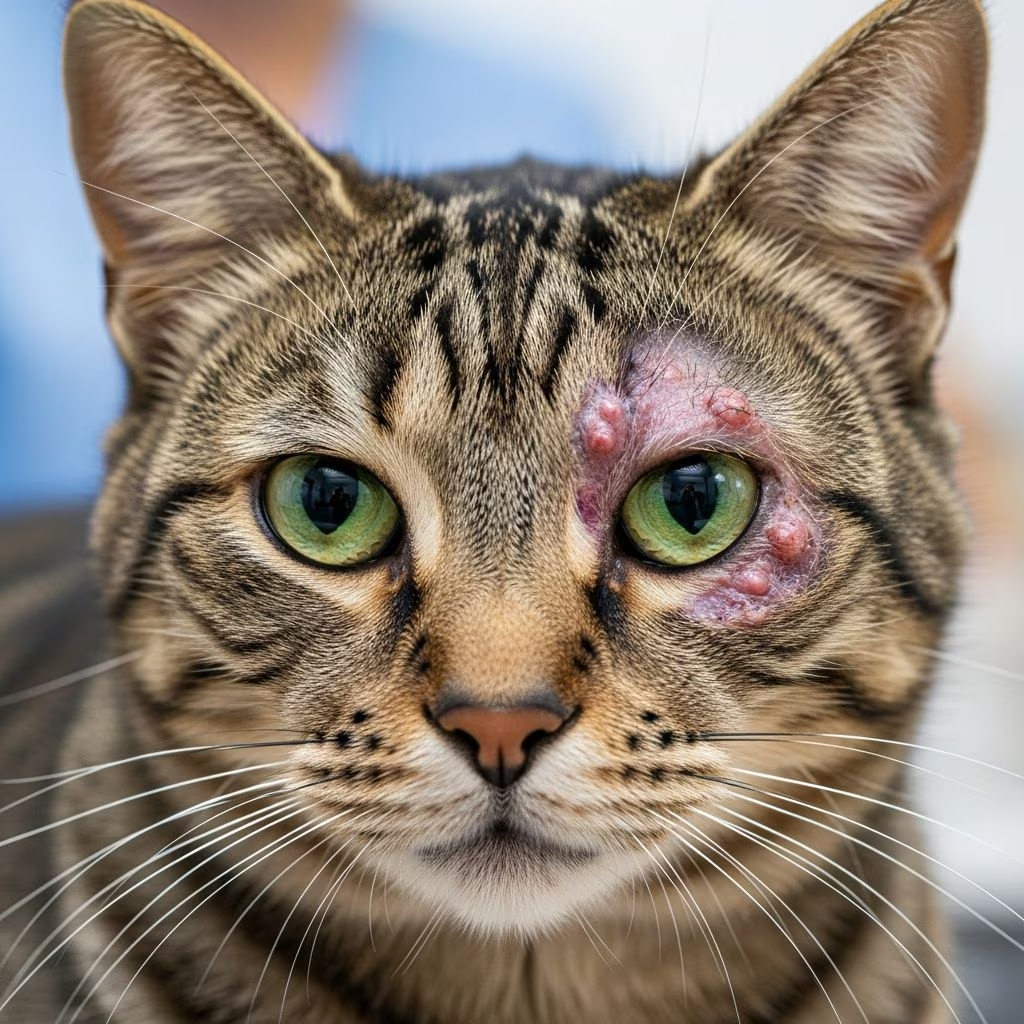
Understanding Fungal Skin Infections in Cats
Fungal skin infections are a common concern for cat owners, affecting cats of all ages and breeds. These infections occur when fungi invade the outer layers of the skin, hair, or nails, causing visible symptoms that range from mild to severe. Unlike bacterial infections that may resolve quickly with antibiotics, fungal infections in cats can be persistent and require prolonged treatment. Understanding the nature of these infections, their causes, and available treatment options is essential for any cat owner seeking to protect their feline companion’s health.
Fungal infections in cats can be categorized into two main types: superficial and systemic infections. Superficial fungal infections affect only the skin, hair, and nails, while systemic infections penetrate deeper into the body and can affect multiple organ systems. This article focuses primarily on fungal skin infections, though it’s important to recognize that some fungal conditions may have systemic components.
Common Types of Fungal Skin Infections in Cats
Several fungal species commonly affect feline skin. The most prevalent is ringworm (dermatophytosis), caused by fungi such as Microsporum canis and Trichophyton mentagrophytes. Despite its name, ringworm is not caused by a worm but by a fungus that creates characteristic circular lesions on the skin.
Other fungal infections that may affect cats include:
- Malassezia dermatitis: A yeast infection that causes itchy, inflamed skin and is often associated with allergies
- Cryptococcosis: A systemic fungal infection that can present with skin lesions, nasal discharge, and neurological symptoms
- Blastomycosis: A serious fungal infection acquired through inhalation of spores, affecting the lungs and potentially other organs
- Coccidioidomycosis (Valley fever): A respiratory fungal infection that may also cause skin lesions and lumps under the skin
- Aspergillosis: A fungal infection affecting the respiratory system and sinuses, though it can have cutaneous manifestations
Causes and Risk Factors
Fungal skin infections in cats develop through various pathways. Many fungi are found in the environment—in soil, dust, and decaying organic matter. Cats contract these infections by direct contact with contaminated soil, infected animals, or contaminated objects such as bedding, grooming tools, or furniture.
Several factors increase a cat’s susceptibility to fungal infections:
- Age: Kittens and senior cats have weaker immune systems and are more prone to infections
- Immunosuppression: Cats with feline leukemia virus (FeLV), feline immunodeficiency virus (FIV), or undergoing immunosuppressive therapy are at higher risk
- Stress: Environmental stress or illness can compromise immune function and increase infection susceptibility
- Poor nutrition: Inadequate diet weakens the immune response
- Skin injuries: Cuts, abrasions, or pre-existing skin conditions provide entry points for fungi
- Humidity and warmth: Damp environments promote fungal growth
- Long hair coat: Long-haired cats may be more susceptible due to difficulty grooming affected areas
Recognizing Symptoms of Fungal Skin Infections
Fungal skin infections present various clinical signs that can help owners identify when their cat needs veterinary attention. Symptoms often develop gradually and may vary depending on the specific fungus involved and the cat’s immune response.
Common symptoms include:
- Hair loss (alopecia): Often in circular or irregular patches, particularly around the face, ears, and front legs
- Scaling and crusting: Flaky, crusty patches on the skin that may appear as dandruff
- Itching and scratching: Though many cats show minimal itching, excessive grooming may indicate discomfort
- Redness and inflammation: Affected skin may appear red or inflamed
- Lesions and sores: Open wounds, abscesses, or drainage from infected areas
- Odour: A musty or unpleasant smell from affected skin areas
- Nail involvement: Brittle, discolored, or deformed nails in some cases
- Facial swelling: Particularly in more serious fungal infections affecting deeper tissues
It’s important to note that infected cats may not display obvious symptoms in early stages. Some infections progress silently until they become widespread. Additionally, fungal infections can coexist with other skin conditions, complicating diagnosis and treatment.
When to Seek Veterinary Care
Cat owners should schedule a veterinary appointment when they notice persistent hair loss, unexplained skin lesions, or signs of skin irritation that don’t improve with standard care. Early diagnosis and treatment significantly improve outcomes and reduce the risk of transmission to other pets or family members. Certain fungal infections, particularly sporotrichosis and some forms of cryptococcosis, can transmit to humans, making professional diagnosis and guidance essential.
Diagnosis of Fungal Skin Infections
Accurate diagnosis is critical before beginning treatment, as symptoms of fungal infections can resemble bacterial infections, allergies, or parasitic infestations. Veterinarians employ several diagnostic methods to identify the specific fungus causing the infection.
Diagnostic procedures include:
- Physical examination: The veterinarian inspects the affected areas, looking for characteristic patterns and severity of lesions
- Wood’s lamp examination: A specialized ultraviolet light that may cause some fungal infections to fluoresce (though not all ringworm species fluoresce)
- Fungal culture: Hairs and skin scales are collected and cultured in a laboratory to identify the specific fungal species. This is the most definitive diagnostic method but requires several weeks for results
- Cytology: Microscopic examination of skin cells and debris to identify fungal elements
- Dermoscopy: High-magnification visualization of skin and hair structure to identify fungal characteristics
- Tape impressions: Clear tape pressed onto affected areas and examined under a microscope to detect fungal spores
For suspected systemic fungal infections affecting the skin, additional testing may include blood tests, x-rays, or tissue biopsies to assess the extent of infection.
Treatment Options for Fungal Skin Infections
Treatment approaches vary depending on the type and severity of the fungal infection. Most fungal skin infections in cats respond to a combination of topical and oral antifungal medications, though treatment duration can extend several weeks to months.
Topical Treatments
For localized fungal skin infections, topical therapies are often effective and minimise systemic medication exposure. These include:
- Antifungal ointments and creams: Applied directly to affected areas, these medications work locally to eliminate fungi
- Medicated shampoos: Containing antifungal agents such as miconazole, chlorhexidine, or selenium sulfide, these are used to bathe affected areas or the entire body
- Topical sprays: Convenient for targeting specific lesions
Oral Antifungal Medications
For extensive infections or when topical treatment proves ineffective, oral antifungal medications are prescribed. Common medications include:
- Itraconazole: A widely used oral antifungal effective against many fungal species causing skin infections in cats
- Terbinafine: Another oral antifungal option for treating dermatophyte infections
- Fluconazole: Used for certain fungal infections, particularly those affecting multiple body systems
Oral antifungal medications require prolonged administration, often lasting 2 to 6 weeks or longer depending on the infection type. Cats undergoing oral antifungal therapy may require periodic blood work to monitor liver and kidney function, as some antifungal drugs can affect these organs.
Surgical and Supportive Interventions
In cases where fungal infections cause significant skin lesions or abscesses, the veterinarian may recommend surgical removal of affected tissue. This is performed under anesthesia, with tissue samples collected for laboratory analysis to confirm the diagnosis and guide treatment decisions.
Supportive care plays an important role in recovery. This may include:
- IV fluids: For cats experiencing dehydration or secondary infections
- Antibiotics: To treat secondary bacterial infections that often develop alongside fungal infections
- Nutritional support: Ensuring adequate nutrition to support immune function and healing
- Pain management: If the infection causes discomfort or inflammation
Timeline for Recovery
Owners should anticipate that fungal skin infections require extended treatment periods. Most cats show improvement within several weeks, but complete resolution may take 6 to 12 weeks or longer, depending on the infection’s extent and the cat’s immune response. Consistent adherence to the prescribed treatment regimen is essential for successful outcomes.
Patience and careful monitoring are necessary during this period. Some cats may experience temporary worsening of symptoms as the infection responds to treatment, particularly if secondary bacterial infections develop.
Prevention and Environmental Management
Preventing fungal infections requires both individual and environmental measures. Regular grooming helps identify early signs of infection and removes loose hair that might harbour fungi. Maintaining a clean environment, including regular washing of bedding and toys in hot water, reduces fungal spore populations.
For cats with diagnosed fungal infections kept at home, strict hygiene protocols protect family members. These precautions include wearing gloves and masks when handling infected cats, practicing thorough hand hygiene, and carefully managing litter box waste. Some fungal infections, particularly sporotrichosis, can transmit to humans, making these precautions important for household safety.
Minimizing stress through proper nutrition, environmental enrichment, and regular veterinary care strengthens the immune system and reduces infection risk.
Transmission to Other Pets and Humans
Many fungal skin infections in cats are contagious to other animals and potentially to humans. Ringworm, for example, spreads easily through direct contact or contaminated objects. Cats with ringworm should be isolated from other pets when possible, and all shared items should be disinfected regularly.
For zoonotic fungal infections—those transmissible to humans—careful hygiene is paramount. Sporotrichosis, in particular, can spread to humans who handle infected cats, with the cat’s primary caregiver at higher risk than other household members. Veterinarians will provide specific guidance on transmission prevention based on the diagnosed fungal species.
Frequently Asked Questions
Q: Can I treat my cat’s fungal skin infection at home without seeing a veterinarian?
A: No. While some over-the-counter antifungal products exist, proper diagnosis is essential before treatment begins. Symptoms of fungal infections resemble other skin conditions, and incorrect treatment wastes time and money while allowing the infection to progress.
Q: Is ringworm in cats dangerous to humans?
A: Ringworm can transmit to humans, though the risk is relatively low with proper hygiene. Other fungal infections, such as sporotrichosis, pose greater transmission risk. Following your veterinarian’s hygiene recommendations significantly reduces transmission risk.
Q: How long does treatment for fungal skin infections typically last?
A: Most fungal skin infections require 6 to 12 weeks of treatment. Oral antifungal medications are often continued for 2 months or more. The exact duration depends on the infection type, severity, and individual cat response.
Q: Can indoor cats get fungal skin infections?
A: Yes. While outdoor cats have higher exposure risk, indoor cats can contract fungal infections through contaminated objects, infected animals brought indoors, or environmental factors like dust or soil tracked into the home.
Q: Are there any side effects from antifungal medications?
A: Some antifungal medications can cause side effects such as nausea or appetite loss. Additionally, prolonged oral antifungal use requires periodic blood work to monitor liver and kidney function.
Conclusion
Fungal skin infections in cats are manageable conditions when diagnosed and treated promptly by a veterinarian. While treatment requires patience and consistent care over extended periods, most cats recover completely with appropriate antifungal therapy, topical treatments, and supportive care. Early recognition of symptoms, professional diagnosis, and strict adherence to treatment protocols provide the best chance for successful outcomes. By understanding the causes, symptoms, and treatment options for feline fungal skin infections, cat owners can protect their pets’ health and wellbeing.
References
- Systemic Fungal Infections in Cats: Symptoms and Treatment — Vetster. 2024. https://vetster.com/en/wellness/systemic-fungal-infections-in-cats-symptoms-and-treatment
- Fungal Infections in Cats: Everything You Should Know — Cedar Mill Veterinary Clinic. 2024-02-29. https://www.cedarmillvet.com/site/blog/2024/02/29/fungal-infections-cats
- Fungal Infections in Cats: Causes, Symptoms & Treatment — Diamond Bar Veterinary Clinic. 2023-07-15. https://www.diamondbarvetclinic.com/site/blog/2023/07/15/fungal-infections-cats
- Fungal Infection in Cats – Skin, Lungs & Nose — Carolina Veterinary Specialists, Charlotte. 2021-03-15. https://www.charlotte.carolinavet.com/site/charlotte-emergency-vet-blog/2021/03/15/fungal-infection-cat
- Fungal Infections in Cats: Causes, Symptoms & Treatment — Critter Creek Veterinary Clinic. 2024-07-26. https://www.crittercreekvet.com/site/blog/2024/07/26/fungal-infections-cats
- Fungal Infections in Cats – Cat Owners — Merck Veterinary Manual. https://www.merckvetmanual.com/cat-owners/disorders-affecting-multiple-body-systems-of-cats/fungal-infections-in-cats
- Skin Fungal Infections in Cats — PetMD. https://www.petmd.com/cat/conditions/skin/skin-fungal-infections-cats



