

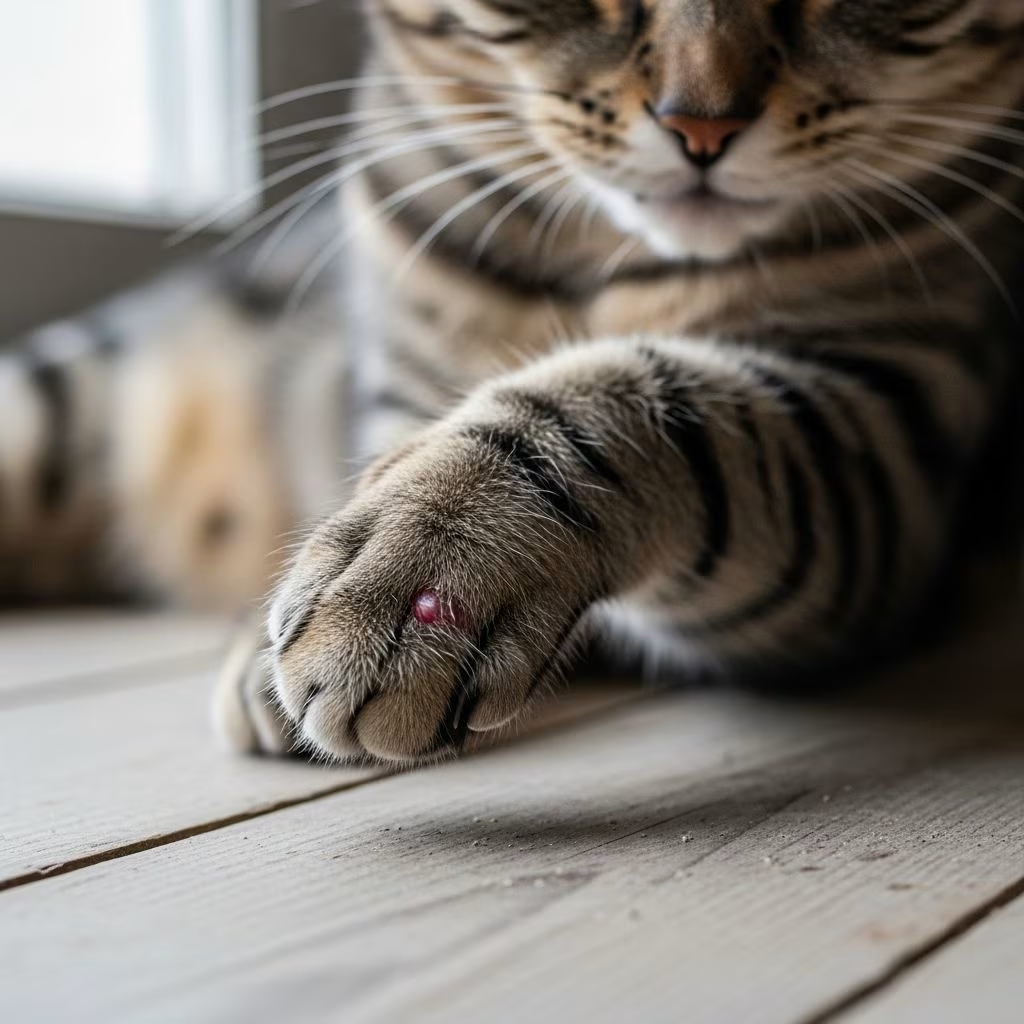
Cats often hide signs of discomfort, making a front paw limp one of the first noticeable indicators of an underlying issue. This abnormality in gait can stem from simple irritations to complex medical conditions affecting the forelimb. Prompt recognition and appropriate action are crucial to prevent worsening and ensure your pet’s well-being.
Recognizing the Signs of Front Paw Lameness in Cats
A front paw limp typically manifests as an uneven walk where the cat favors one foreleg over the other. Key symptoms include reluctance to place weight on the affected paw, visible swelling around the joint or paw pad, and excessive licking or grooming of the area. Cats may also exhibit restlessness, reduced activity levels, or sensitivity when the limb is touched.
- Intermittent limping: Comes and goes, often linked to minor strains.
- Constant lameness: Persistent avoidance of the paw, signaling potential fractures or infections.
- Accompanying signs: Redness, warmth, discharge, or deformity in the leg.
Observing these patterns helps differentiate between benign issues and those requiring professional intervention. For instance, a sudden onset after outdoor activity might point to trauma, while gradual development could indicate degenerative changes.
Primary Causes of Front Paw Limping
Several factors contribute to front paw lameness in cats, ranging from everyday mishaps to chronic diseases. Understanding these allows for targeted responses.
Trauma and Physical Injuries
Falls from heights, impacts from vehicles, or awkward landings frequently injure front legs, as they bear significant weight during jumps and climbs. Sprains, fractures, or dislocations disrupt normal movement, leading to immediate limping. Muscle strains from overexertion or ligament tears, such as carpal hyperextension, are also prevalent in active cats.
Foreign Objects and Paw Pad Issues
Debris like thorns, glass shards, or gravel can embed between toes or in paw pads, causing sharp pain and inflammation. This is especially common in outdoor cats exploring rough terrains.
Nail and Claw Problems
Ingrown, torn, or infected nails force cats to alter their gait to avoid pressure. Overgrown claws from lack of natural wear can pierce the paw pad, mimicking more severe injuries.
Infections and Abscesses
Bite wounds from fights or insect stings often lead to bacterial infections forming abscesses. These pus-filled swellings cause swelling, heat, and lameness in the front paw.
Joint and Bone Conditions
Osteoarthritis erodes joint cartilage, particularly in senior cats, resulting in stiffness and limping that worsens with activity. Congenital deformities or developmental issues may also present early in life.
| Cause Category | Common Examples | Typical Symptoms | Urgency Level |
|---|---|---|---|
| Trauma | Sprain, Fracture | Swelling, Deformity | High |
| Foreign Object | Thorn, Splinter | Localized Pain, Licking | Medium |
| Infection | Abscess, Bite Wound | Redness, Pus | High |
| Arthritis | Joint Degeneration | Stiffness, Gradual Onset | Medium |
| Nail Issues | Ingrown Claw | Bleeding, Avoidance | Medium |
How to Safely Examine Your Cat’s Front Paw at Home
Before rushing to the vet, a gentle home inspection can reveal obvious problems. Approach calmly to avoid stressing your cat, which might exacerbate the injury.
- Observe from afar: Note if the limp persists during rest or only with movement.
- Check visually: Look for cuts, swelling, or foreign materials without forcing contact.
- Gently palpate: If tolerated, feel the paw pads, toes, and leg for heat, lumps, or abnormalities.
- Monitor behavior: Track appetite, energy, and additional symptoms over 24 hours.
Stop immediately if your cat shows aggression, vocalizes in pain, or pulls away—these signal deeper issues needing professional care. Clean minor wounds with saline and apply a cold compress, but avoid medications without vet approval.
Diagnostic Approaches by Veterinarians
Vets employ systematic methods to pinpoint front paw limp causes. Initial exams include physical assessments for range of motion and pain response. Imaging like X-rays detects fractures or arthritis, while blood tests rule out infections or systemic diseases. Advanced cases may require ultrasound or joint fluid analysis for precise diagnosis.
Treatment Options for Front Paw Lameness
Treatments vary by cause but prioritize pain relief and healing.
- Minor injuries: Rest, bandaging, and anti-inflammatory medications.
- Infections: Antibiotics, drainage of abscesses.
- Fractures: Splints, surgery, or strict confinement.
- Arthritis: Joint supplements, weight management, laser therapy.
Recovery timelines range from days for foreign objects to weeks for surgical repairs. Follow-up visits ensure progress.
Preventing Future Front Paw Injuries
Proactive measures reduce limping risks. Indoor environments minimize trauma exposure, while regular nail trims prevent ingrown claws. Provide soft litter, maintain ideal weight to ease joint stress, and schedule annual vet checkups for early arthritis detection. Interactive play on safe surfaces builds strength without strain.
When to Seek Emergency Veterinary Care
Not all limps resolve naturally. Rush to an emergency vet if you observe open wounds, non-weight-bearing lameness, fever, lethargy, or multiple limb involvement. These indicate fractures, severe infections, or neurological problems demanding immediate attention. Delaying can lead to chronic pain or complications like sepsis.
Frequently Asked Questions (FAQs)
Why is my cat limping on its front paw but seems fine otherwise?
Cats mask pain well; subtle limps often arise from paw pad irritations or mild sprains that don’t affect overall demeanor.
Can a front paw limp be a sign of something serious?
Yes, it could indicate fractures, infections, or arthritis requiring vet intervention to prevent long-term damage.
How long should I wait before taking a limping cat to the vet?
If no improvement in 24 hours or worsening symptoms, seek care promptly.
Is arthritis common in young cats causing paw limps?
Rare in young cats; more typical in seniors, but trauma mimics it.
What home remedies help a cat’s front paw limp?
Rest and observation for minor cases; never use human painkillers.
This guide equips you to address your cat’s front paw limp effectively, promoting swift recovery and a pain-free life.
References
- Why Is My Cat Limping? Causes, Treatment, and How To … — PetMD. 2023. https://www.petmd.com/cat/symptoms/why-my-cat-limping
- Front Leg Injury in Cats – Signs, Causes, Diagnosis, Treatment … — WagWalking. 2024. https://wagwalking.com/cat/condition/front-leg-injury
- Why Is My Cat Limping All of a Sudden? What to Do — Palmyra Animal Clinic. 2022-03-30. https://www.palmyraac.com/site/blog/2022/03/30/cat-limping
- Cat Limping — Pets on Broadway. 2024-02-15. https://www.petsonbroadway.net/site/blog/2024/02/15/cat-limping
- Cat Limping – When to See the Vet — WCRC Animal Hospital. 2021-12-14. https://www.wcrah.com/site/blog-flat-rock-vet/2021/12/14/cat-limping
- Cat Limping – When It’s Time To Head To The Vet — Germantown Animal Hospitals. 2021-11-15. https://www.germantownah.com/site/blog-memphis-vet/2021/11/15/cat-limping
- Cat Limping? Possible Causes and What to Do — Vets of the Rockies. 2023. https://vetsoftherockies.com/education/cat-limping-possible-causes-and-what-to-do/



