

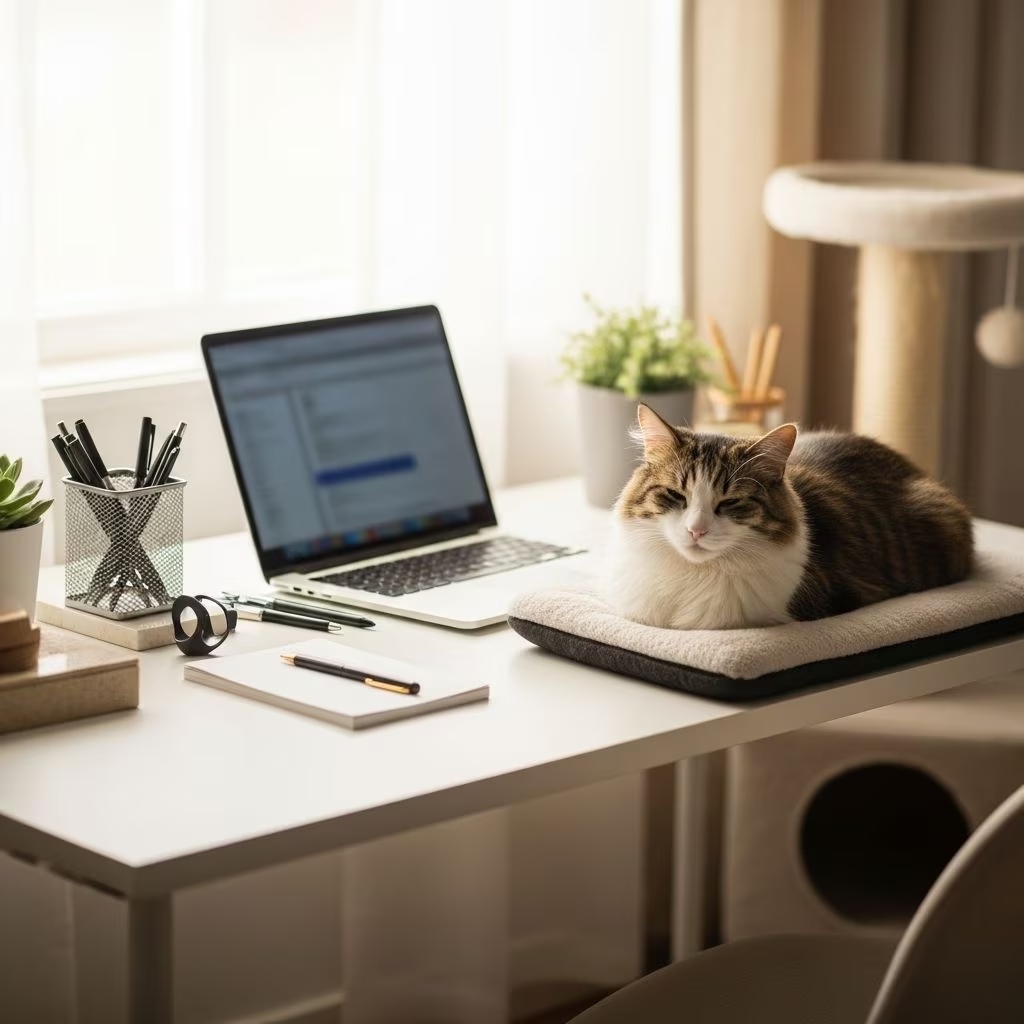
Working from home has become increasingly common, and for cat owners, having your feline companion nearby during work hours can be both a blessing and a challenge. The key to maintaining productivity while ensuring your cat remains happy and content is to create a thoughtfully designed cat-friendly office. This comprehensive guide explores ten vet-approved strategies that will help you establish harmony between your professional responsibilities and your pet’s needs, transforming your home office into a space where both you and your kitty can thrive.
The Importance of a Cat-Friendly Office
Cats are naturally curious creatures that love being in the same space as their owners, particularly when those owners are occupied with other activities. When working from home, ignoring your cat’s needs can lead to destructive behavior, constant interruptions, and decreased productivity. By investing time and resources into creating a cat-friendly office environment, you’re not only protecting your work but also enhancing your cat’s overall well-being and happiness.
The 10 Tips on How to Make a Cat-Friendly Office
1. Know Your Cat
The foundation of creating a successful cat-friendly office begins with understanding your individual cat’s personality and preferences. No two cats are identical in their behaviors, temperaments, and desires. Some cats are natural climbers who thrive in elevated spaces, while others prefer cozy, enclosed areas where they feel secure.
If your kitty loves being up high, invest in a tall cat tree or wall-mounted cat shelves for your office. This provides them with an engaging vantage point from which they can observe their surroundings, including you, while remaining occupied. Conversely, if your pet is a devoted snuggler, consider placing a big, cozy bed at your feet or near your desk. Understanding whether your cat is social, independent, playful, or reserved will guide all your subsequent design decisions.
2. Invest in Comfortable Cat Furniture
Comfortable and appropriately sized cat furniture is essential for a cat-friendly office. Cat beds, trees, hammocks, and perches serve multiple purposes: they provide your cat with designated spaces, reduce their desire to sit on your desk or keyboard, and keep them entertained during your work hours.
Consider furniture options such as:
- Cat beds with memory foam for superior comfort
- Multi-level cat trees that provide climbing and exploring opportunities
- Window perches that allow cats to watch outdoor activity
- Wall-mounted shelves for vertical space utilization
- Cat hammocks that attach to desks or furniture
3. Invest in an Acrylic Keyboard Protector
An acrylic keyboard protector is a worthwhile investment for remote workers with cats. These specialized anti-cat devices are designed to sit atop your keyboard, allowing you full access while preventing your cat from walking across the keys and inadvertently deleting files or sending unintended messages to colleagues.
The beauty of keyboard protectors is their dual functionality. Many cats actually enjoy using these protectors as napping spots, as they provide an elevated surface close to you while keeping them away from disrupting your work. This simple solution addresses a common problem many remote workers face: cats walking across keyboards at critical moments.
4. Create a Designated Pet Area
Establishing a clearly defined pet zone within your office is crucial for organizational success and cat behavior management. By clustering all your cat’s belongings—bed, tree, toys, and food/water dishes—in one specific location, you help your cat associate that area as their personal space.
Your designated pet area should ideally include:
- A comfortable cat bed or sleeping area
- Cat tree or climbing structure
- Water and food bowls
- Favorite toys and interactive games
- Scratching posts or pads
One exception: we generally don’t recommend placing a litter box in your office. The associated odors and sounds can be distracting and off-putting, potentially disrupting your focus during important work tasks or video conferences.
5. Provide Climbing and Perching Opportunities
Cats are natural climbers and instinctively seek high vantage points where they can observe their environment and feel secure. Incorporating vertical elements into your office design satisfies this fundamental feline need. Wall-mounted shelves, tall cat trees, and elevated perches give your cat safe spaces to climb, explore, and survey their domain.
These climbing structures serve additional benefits: they occupy your cat during your working hours, reduce stress through physical activity, and provide mental stimulation. Placing these elements strategically near your workspace keeps your cat close while allowing them to remain independently engaged.
6. Keep Cables and Hazardous Items Secure
Your office likely contains numerous potential hazards for your curious feline. Cables, cords, small office supplies, and electronic devices pose risks through tangling, chewing, or accidental ingestion. Implement thorough cable management by tucking wires behind furniture, using cable organizers, and securing any loose cords out of reach.
Additionally, keep the following items safely stored:
- Small office supplies (paper clips, rubber bands, pushpins)
- Medications and supplements
- Cleaning supplies
- Plastic bags and packaging materials
- Toxic plants or substances
7. Optimize Natural Lighting and Window Access
Cats love natural light and enjoy watching outdoor activity. If your office has windows, position your cat’s furniture to take advantage of these views. Window perches specifically designed for cats provide comfortable spots for hours of entertainment as your cat observes birds, squirrels, and other outdoor movements.
Natural light also benefits both you and your cat: it enhances mood, regulates circadian rhythms, and provides your cat with enrichment that reduces boredom-related behavioral issues. This simple design element costs nothing but offers substantial benefits.
8. Use Non-Toxic Plants and Safe Decorations
If you incorporate plants into your office décor, ensure they are completely non-toxic to cats. Spider plants, cat grass, and certain air-purifying plants are safe options. Avoid lilies, sago palms, dieffenbachia, and other common houseplants that can cause serious illness or death if ingested by cats.
Similarly, choose office decorations that won’t pose choking hazards or cause injury if your cat knocks them over. Secure heavy items and keep decorative objects that could be swallowed out of reach.
9. Go Cat-Free for Meetings
While your cat can enjoy free reign of your office during regular working hours, establishing clear boundaries during video conferences and important meetings is essential. The best way to ensure harmony between you and your kitty while working from home is to set some boundaries that protect your professional image.
During meetings, consider:
- Temporarily moving your cat to another room
- Closing your office door to prevent unexpected appearances
- Using a room divider or baby gate to create a temporary barrier
- Scheduling meetings during times when your cat typically naps
Even the most well-behaved cats can become unexpected distractions during professional calls. The last thing you want is for your cat to walk across your keyboard, meow loudly during a presentation, or create other unexpected disruptions that compromise your professional credibility.
10. Balance Work and Cat Time
Maintaining productivity while honoring your cat’s need for attention requires deliberate scheduling and boundary-setting. Build short breaks into your work routine where you can engage with your cat through play, petting, or interactive activities. These breaks benefit both you and your feline companion by reducing stress and strengthening your bond.
Consider implementing strategies such as:
- Scheduling 5-10 minute play breaks every hour
- Using interactive toys like feather wands or laser pointers during breaks
- Providing puzzle feeders to keep your cat mentally stimulated
- Establishing consistent routines that your cat can anticipate
- Training your cat to recognize quiet time cues when you’re in meetings
Furniture and Setup Recommendations
Choosing the Right Desk and Chair
When selecting office furniture, consider pieces that accommodate your cat’s presence. A desk with extra surface space or shelving can accommodate cat beds or perches. Choose durable, easy-to-clean materials like microfiber or leather that can withstand cat claws and potential accidents.
Your chair should allow for easy movement so you can take breaks for cat interaction or to stretch. Avoid chairs with intricate designs or dangling parts that might attract your cat’s attention during meetings.
Cat Bed Placement Options
Strategic placement of your cat’s bed dramatically affects both their comfort and your productivity. Options include:
- Under-desk beds: Keep your cat close while staying out of your direct line of sight
- Desk attachment beds: 360-degree rotating beds that clamp to your desk with height adjustment
- Window perch beds: Utilize window space for natural light and outdoor viewing
- Corner beds: Place in room corners to create a safe retreat space
Creating a Safe and Stimulating Environment
Enrichment and Entertainment
Bored cats become disruptive cats. Keep your feline companion entertained with:
- Interactive puzzle feeders and treat dispensers
- Ball track toys that engage hunting instincts
- Feather toys and wand toys for interactive play
- Scratching posts positioned throughout the office
- Rotating toys to maintain novelty and interest
Environmental Considerations
A stimulating environment includes sensory experiences. Maintain good air quality, ensure adequate temperature control, and consider adding background music or calming cat-specific music to create a soothing atmosphere. Some cats benefit from white noise machines that mask jarring external sounds.
Frequently Asked Questions
Q: How can I keep my cat from interrupting my meetings?
A: Establish a routine where your cat is placed in a separate room or confined to a specific area during video calls. Use consistent cues to help your cat understand meeting times, and schedule important calls during periods when your cat typically sleeps or rests.
Q: What if my cat doesn’t like being confined during meetings?
A: Train your cat gradually using positive reinforcement. Start with short periods of separation and reward your cat with treats and praise. Over time, your cat will associate meeting times with calm behavior and reward.
Q: Are there specific cat furniture pieces that work best for small offices?
A: Yes, wall-mounted shelves and corner cat trees take up minimal floor space while providing climbing opportunities. Under-desk beds and compact cat hammocks are ideal for space-constrained offices.
Q: How often should I play with my cat during work hours?
A: Aim for at least 5-10 minutes of interactive play every couple of hours. Most cats do well with 2-3 play sessions throughout the workday, strategically scheduled during your natural work breaks.
Q: Can I use a baby gate to separate my cat during meetings?
A: Yes, baby gates work well as temporary barriers. However, ensure your cat has access to water, and only use this method for short periods to avoid stress or anxiety.
Q: What plants are safe to have in an office with cats?
A: Spider plants, cat grass, Boston ferns, and African violets are safe options. Always verify plant safety with your veterinarian, and place pots securely to prevent tipping.
Q: Should I invest in a cat tree if I have limited space?
A: Absolutely. Wall-mounted shelves and vertical perches provide climbing opportunities with minimal floor footprint. These options are ideal for small offices while still meeting your cat’s climbing instincts.
Final Thoughts
Though it may require some forethought and a slightly bigger pet budget, setting up your home office to be cat-friendly is entirely achievable and deeply rewarding. By implementing the ten tips outlined above, you’ll create a workspace where you can concentrate on professional responsibilities while your cat remains comfortable, entertained, and happy.
The investment in appropriate furniture, safety measures, and thoughtful design pays dividends in improved productivity, reduced stress, and a stronger bond with your feline companion. Remember that every cat is unique, so remain flexible and willing to adjust your setup based on your individual cat’s preferences and behavior patterns.
With proper planning and these vet-approved strategies, you can eliminate common challenges like cats sending inappropriate emails, walking across your keyboard at crucial moments, or creating other unexpected disruptions. Instead, you’ll enjoy a harmonious home office where both you and your kitty thrive together, proving that remote work and cat ownership can coexist beautifully.
References
- How to Make a Cat-Friendly Office: 10 Simple Vet-Approved Tips — Catster. Accessed January 2026. https://www.catster.com/lifestyle/how-to-make-a-cat-friendly-office-for-remote-work/
- Pet-Friendly Home Office: How to work with your Furry Friend — Organized Home Office. Accessed January 2026. https://organizedhomeoffice.com/pet-friendly-home-office-how-to-work-with-your-furry-friend/
- Design Cat-Friendly Home Office — Cats at Home Pet Sitting. February 16, 2024. https://catsathomepetsitting.com/2024/02/16/design-cat-friendly-home-office/
- Creating a Pet-Friendly Home Office — Virtual Vocations. August 2023. https://www.virtualvocations.com/blog/telecommuting-survival/creating-a-pet-friendly-home-office/
- Remote Work and Pets: Tips for Productive Home Office Setups — Executive Centre. Accessed January 2026. https://executivecentre.ae/home-office-setup-for-pet-owners



