

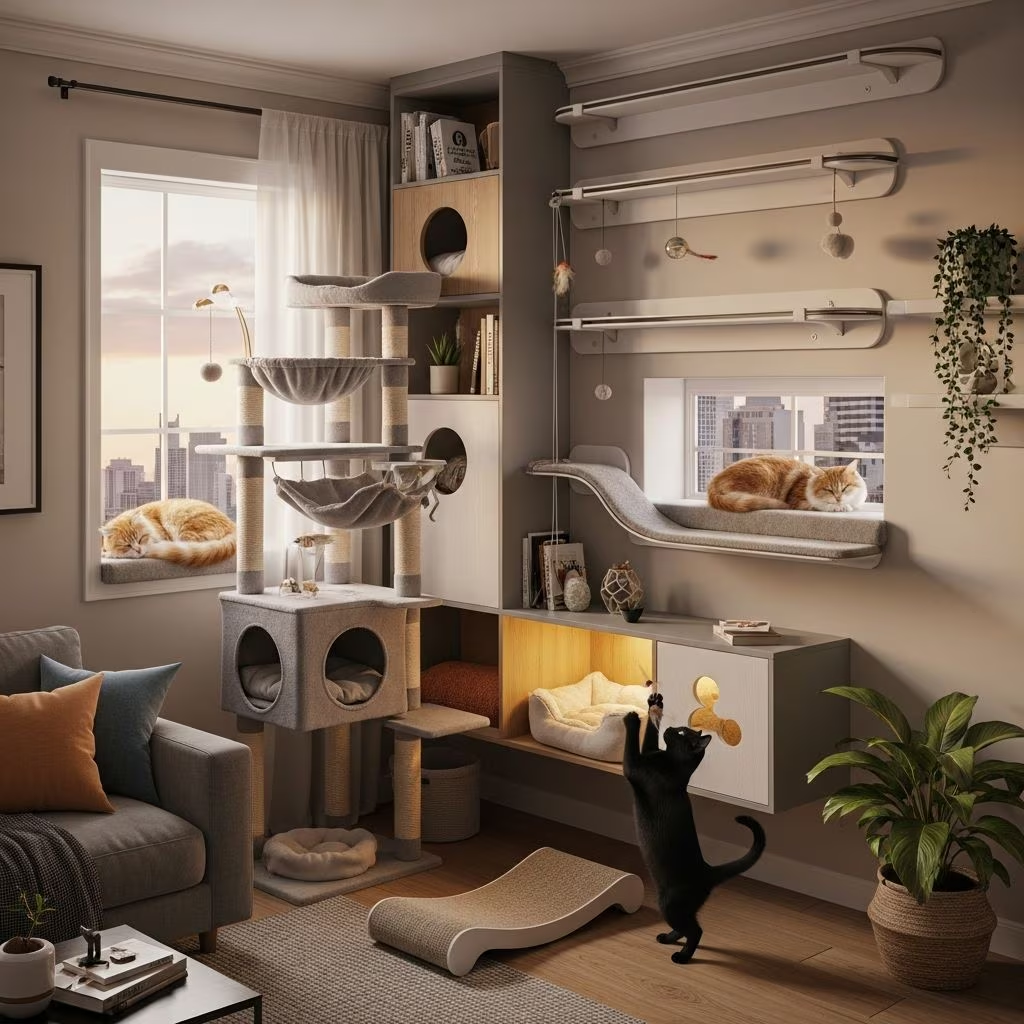
Cat-Friendly Apartments: Making the Most of a Small Space
Living with a cat in an apartment presents unique opportunities to create a harmonious environment for both you and your feline companion. While apartments may have limited square footage, they can still provide everything a cat needs to thrive, including mental stimulation, physical activity, and a sense of security. The key to successful apartment living with cats lies in understanding their behavioral needs and thoughtfully designing your space to meet those requirements. This comprehensive guide will help you transform your apartment into a cat-friendly haven where your feline friend can flourish.
Understanding Your Cat’s Needs in Small Spaces
Before implementing any changes to your apartment, it’s essential to understand what cats require to be happy and healthy in a compact living environment. Cats are independent creatures with specific territorial and behavioral needs that differ significantly from other pets. Unlike dogs, which require extensive outdoor space and regular walks, cats are naturally suited to apartment living. However, this doesn’t mean you can neglect their enrichment and environmental needs.
Cats are crepuscular animals, meaning they’re most active during dawn and dusk. They have a strong instinct to climb, hunt, and explore their surroundings. They also require quiet spaces where they can retreat and feel secure. Understanding these natural behaviors will help you design an apartment that allows your cat to express these instincts safely and appropriately.
Maximizing Vertical Space
One of the most important principles for creating a cat-friendly apartment is thinking vertically. Cats love to climb and perch at elevated heights, which makes them feel secure and gives them a vantage point to survey their environment. This vertical dimension is especially crucial in apartments where floor space is limited.
Installing cat shelves and wall-mounted perches is an excellent way to create a three-dimensional living space for your cat. These fixtures can be arranged in staggered patterns to create a climbing pathway throughout your apartment. Window perches are particularly valuable because they provide both elevation and entertainment, as cats can observe outdoor activity.
Cat trees and climbing structures come in various sizes and styles, from floor-to-ceiling models that maximize vertical space to smaller, corner-mounted designs. When selecting a cat tree, ensure it’s sturdy and won’t tip over, especially if you have an athletic or larger cat. Many modern cat trees double as decorative furniture, seamlessly blending into your apartment’s aesthetic while providing essential enrichment.
Floating shelves mounted at different heights create visual interest while providing multiple perching spots. These can be arranged in a way that allows your cat to move between them safely and encourages natural climbing behavior. Some apartment dwellers even create elaborate cat highways using shelves and perches that span entire walls.
Litter Box Placement and Solutions
Finding the perfect location and setup for your cat’s litter box is one of the biggest challenges in apartment living. The litter box must be easily accessible to your cat while remaining discreet and hygienic for your household.
Ideal litter box location characteristics:
- Quiet and away from high-traffic areas to prevent startling your cat
- Well-ventilated to minimize odors in your apartment
- Separated from food and water bowls—cats won’t use a toilet near their eating area
- Easily accessible with multiple escape routes if you have multiple cats
- Away from bedrooms and living spaces where your family spends the most time
Bathrooms, laundry rooms, or utility closets are often ideal locations. However, if space is extremely limited, you can get creative with placement. Many apartment dwellers use closets, corners, or spaces under bathroom sinks. A decorative screen can hide the box while allowing easy cat access.
Covered litter boxes are particularly valuable for apartment living. These enclosed boxes offer privacy for your cat and help contain odors, litter scatter, and unpleasant sights from your living space. Many covered boxes come with filters and removable doors for easy cleaning. Some modern designs even resemble furniture pieces like benches or storage units, providing dual functionality.
The general rule is to have at least one litter box per cat, plus one extra. If you have multiple cats, consider placing boxes in different locations to reduce territorial behavior and ensure each cat has convenient access.
Creating Enrichment and Play Areas
Mental stimulation is just as important as physical activity for apartment cats. Bored cats can develop behavioral problems, including destructive scratching and excessive vocalization. Providing diverse enrichment activities helps maintain your cat’s mental health and physical fitness.
Interactive toys and play sessions should be a daily part of your apartment routine. Feather wands, laser pointers, and interactive puzzle toys can keep your cat engaged and simulate their natural hunting instincts. Regular play sessions also strengthen the bond between you and your cat while providing essential exercise.
Puzzle feeders and treat-dispensing toys offer mental engagement during solo playtime. These toys require your cat to problem-solve to access food or treats, providing both entertainment and a sense of accomplishment. Window entertainment, such as bird feeders placed outside your windows, provides hours of free enrichment.
Rotate toys regularly to maintain novelty and prevent boredom. Even simple items like cardboard boxes and paper bags can provide engaging entertainment when refreshed periodically.
Managing Scratching Behavior
Scratching is a natural and necessary behavior for cats. They scratch to shed old nail sheaths, mark territory, stretch their muscles, and relieve stress. Rather than trying to prevent scratching, provide appropriate outlets throughout your apartment.
Scratching solutions for apartments:
- Vertical scratching posts of varying heights and materials (sisal, cardboard, carpet)
- Horizontal scratching pads placed in favorite lounging areas
- Corner-mounted scratching posts that save floor space
- Scratching furniture like ottomans or beds with built-in scratching surfaces
- Clear anti-scratch tape on furniture corners to deter unwanted scratching
When you observe your cat scratching in inappropriate places, gently redirect them to a scratching post. Positive reinforcement with treats and praise when they use appropriate scratching areas helps establish good habits. Regular nail trimming can also reduce the urge to scratch and minimize damage.
Designing Safe Hideouts and Retreat Spaces
Cats need secure spaces where they can retreat when stressed, tired, or simply wanting solitude. These hideouts are essential for their emotional well-being and help them feel safe and in control of their environment.
Simple items provide excellent hiding spaces: cardboard boxes are surprisingly appealing to cats, cat tents and tunnels create cozy retreats, and spaces under beds or sofas offer natural hideaways. Ensure hideouts have multiple entry and exit points so your cat doesn’t feel trapped.
A quiet corner with a comfortable bed, perhaps partially enclosed by furniture or a decorative screen, creates an ideal retreat space. This area should be away from high-traffic zones and loud appliances. Having multiple hideout options throughout your apartment gives your cat choices and increases their sense of control.
Optimizing Windowsills for Observation and Entertainment
Cats have a natural fascination with outdoor activity. Windowsills provide prime real estate for observation and entertainment, especially in apartments where outdoor access may be limited.
Making windowsills cat-friendly:
- Add plush cushions or dedicated cat beds for comfort
- Install bird feeders outside windows for live entertainment
- Ensure window screens are secure and in good repair to prevent escapes
- Clean windows regularly to maximize visibility
- Consider installing window boxes or planters outside for additional visual interest
Window perches that suction directly to glass provide elevated viewing platforms without requiring wall modifications, making them ideal for rentals. Some cats will watch outdoor activity for hours, which provides valuable mental enrichment.
Creating Safe Outdoor Access Options
If your apartment includes a balcony or patio, creating a secure outdoor space for your cat adds significant enrichment value. A catio—a secure outdoor enclosure—allows your cat to experience fresh air, natural sunlight, and outdoor sensations while remaining safe from traffic and predators.
Catios can be as simple as a portable enclosure on a balcony or as elaborate as a custom-built structure. Window boxes provide an intermediate option, offering fresh air and outdoor views while keeping your cat safely inside. For adventurous cats, harness and leash training or a specialized cat backpack allows supervised outdoor exploration.
Managing Noise and Environmental Stress
Apartment living inherently includes environmental sounds—neighbors, traffic, appliances—that can stress sensitive cats. Creating a calm acoustic environment supports your cat’s well-being.
Consider using white noise machines to mask external sounds, or play soft music or nature sounds that many cats find soothing. Choose quieter appliances when possible, and be mindful of noise levels during your cat’s rest periods, particularly during daytime hours when crepuscular cats prefer to sleep.
Maintaining consistent, predictable routines also reduces stress. Cats thrive on regularity; feeding times, play sessions, and bedtimes should occur at the same times daily. This predictability helps your cat feel secure and anxious.
Plant Safety and Indoor Greenery
While houseplants can brighten an apartment and improve air quality, many common indoor plants are toxic to cats. Before adding greenery to your space, verify that all plants are cat-safe.
Cat-friendly plants include spider plants, cat grass, Boston ferns, and areca palms. Avoid lilies, poinsettias, oleander, and other toxic varieties. Providing cat-safe plants and cat grass allows your cat to indulge their natural desire to nibble vegetation without risk.
Multi-Functional Furniture and Space-Saving Solutions
Choosing furniture that serves multiple purposes helps maximize your apartment’s functionality while accommodating your cat’s needs. Ottomans with hidden storage compartments, elevated beds with understorage, and furniture with built-in cat features create efficient use of limited space.
Cat furniture that doubles as home décor—like litter box cabinets that resemble end tables or cat trees designed to coordinate with your interior design—helps maintain your apartment’s aesthetic while providing essential cat amenities.
Health and Wellness Considerations
Regular veterinary care remains essential for apartment cats. Schedule annual wellness exams to ensure your cat receives appropriate vaccinations and preventive treatments. While apartment living may reduce exposure to some external parasites, indoor cats can still develop health issues requiring professional attention.
Maintaining appropriate weight through measured portions and regular play sessions helps prevent obesity-related health problems. Dental care, including regular brushing and professional cleanings, supports overall health in apartment-dwelling cats.
Building Your Bond Through Attention and Interaction
Quality time with your cat strengthens your relationship and provides essential enrichment. Daily play sessions, grooming interactions, and simple conversations contribute to your cat’s emotional well-being and create a more harmonious household.
Understanding your individual cat’s personality—whether they prefer active play, quiet companionship, or independent exploration—allows you to tailor your interactions to their preferences. Some cats enjoy lap time, while others prefer parallel play or observation from a distance. Respecting these preferences builds trust and creates a more satisfying relationship.
Frequently Asked Questions
Q: Can cats be happy in small apartments?
A: Yes, cats can thrive in apartments. Their relatively low space requirements compared to dogs, combined with their climbing instincts and independent nature, make them well-suited to apartment living. The key is providing vertical space, enrichment, and meeting their behavioral needs.
Q: How many litter boxes do I need in an apartment?
A: Follow the rule of one litter box per cat, plus one extra. For a single cat in an apartment, two boxes are ideal. This provides options and reduces accidents.
Q: What’s the best type of litter box for apartments?
A: Covered litter boxes are often best for apartments because they contain odors, scatter, and provide privacy. Choose a box one and a half times the length of your cat, and ensure it’s easy for them to enter and exit.
Q: How can I prevent my cat from being bored in an apartment?
A: Provide vertical climbing structures, interactive toys, window entertainment, puzzle feeders, and daily play sessions. Rotate toys to maintain novelty, and consider creating a catio or providing safe outdoor exploration opportunities.
Q: Is it okay to keep a cat indoors permanently?
A: Yes, indoor-only cats can live healthy, fulfilling lives. Provide appropriate enrichment, veterinary care, and environmental stimulation. Indoor living actually offers safety advantages for cats.
Q: What plants are safe for apartment cats?
A: Cat-safe plants include spider plants, Boston ferns, cat grass, and areca palms. Avoid lilies, poinsettias, and other toxic plants. Always verify plant safety before bringing greenery into your apartment.
References
- The Purr-fect Guide to Living with Cats in an Apartment — RentSFNow. 2025. https://www.rentsfnow.com/blog/the-purr-fect-guide-to-living-with-cats-in-an-apartment/
- Apartment Living with Pets: Smart Tips for Small Space Harmony — Caring Hands Veterinary Hospital. 2025. https://caringhandsvet.com/apartment-living-with-pets/
- 26 Tips for Apartment Living With Cats (2025 Guide) — Hepper. 2025. https://articles.hepper.com/apartment-living-with-cats/
- 10 Tips for Cat Owners in Apartments — The Colonnade Residences. 2025. https://www.colonnaderesidences.com/news/cat-owners-in-apartments-tips/
- Tips for Cat Owners in Apartments — Triple Crown Corporation. 2025. https://www.triplecrowncorp.com/blog/tips-for-cat-owners-in-apartments/



