

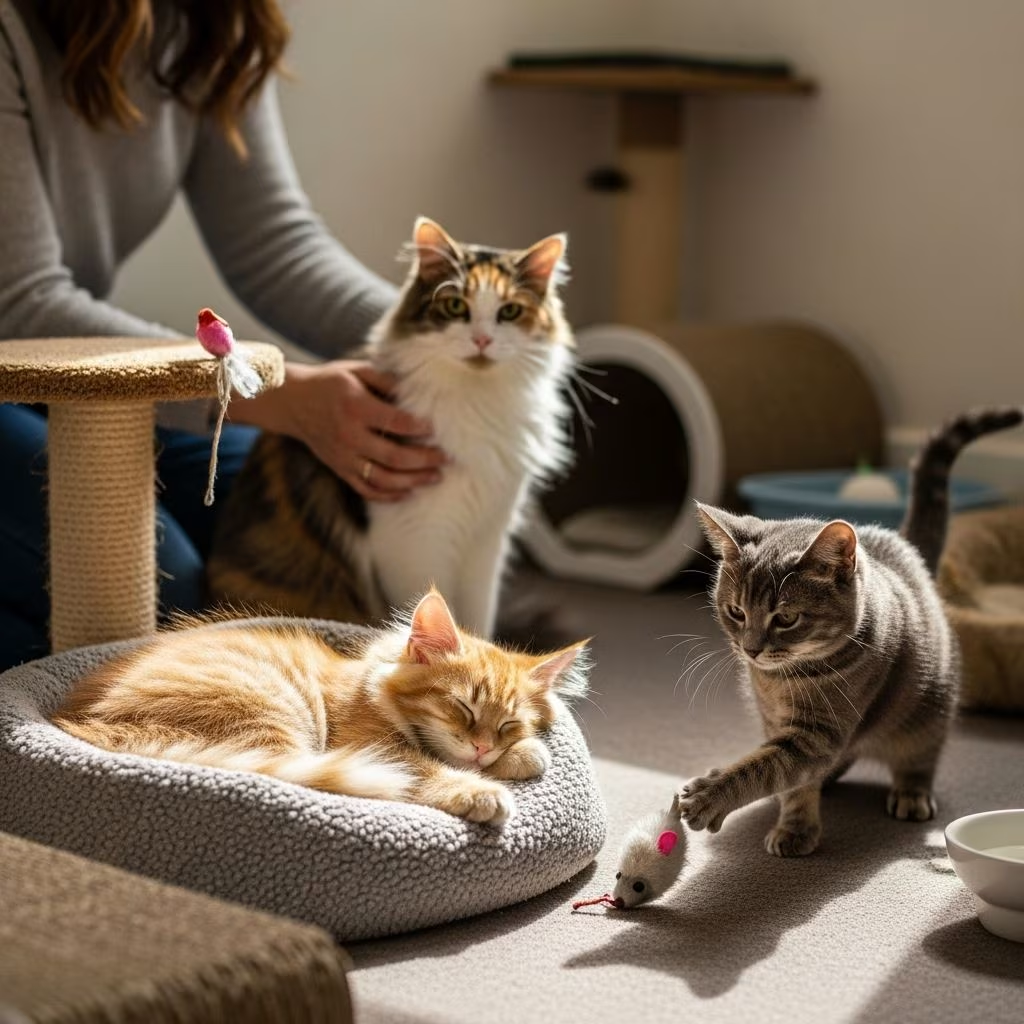
Understanding Cat Foster Care: A Complete Guide
Cat foster care is a vital program that saves lives and helps rescue organizations prepare cats for their forever homes. By opening your home to a foster cat, you become an essential part of the rescue mission. Foster homes provide a nurturing environment where cats can recover from medical issues, learn social skills, and develop into adoptable companions. This comprehensive manual covers everything you need to know about becoming a successful cat foster parent.
What Foster Families Need to Provide
As a foster parent, you are responsible for creating a safe, healthy, and stimulating environment for your temporary feline companions. Here are the essential provisions required:
- A healthy and safe indoor environment for foster cats
- Transportation to and from the adoption center and veterinary appointments as needed
- Consistent socialization and cuddle time to teach cats about positive family relationships
- Exercise and positive stimulation to help cats develop into well-adjusted animals
- High-quality food and litter suited to the cat’s specific needs
- Clean bedding, blankets, towels, and safe toys
- Daily attention, love, and interaction
Mental Stimulation and Exercise Requirements
Play time is crucial for your foster cat’s development and wellbeing. Providing adequate mental stimulation and physical exercise helps your foster cat build confidence, release excess energy, and become a better companion. Schedule at least one or two play sessions daily, adjusting the length based on your cat’s age and health condition.
Experiment with various toys to discover your foster cat’s preferences. Simple toys work just as well as expensive alternatives. Many cats enjoy playing with paper bags (with handles removed for safety), boxes with cut-out holes, balls, squeaky toys, and feather toys. Rotate toys regularly to maintain your cat’s interest and prevent boredom. This enrichment activity is not only beneficial for the cat but also one of the most enjoyable aspects of fostering.
Medical and Emergency Protocols
Scheduling Veterinary Appointments
When you pick up your foster cat, you will receive a Foster Goal Sheet that specifies vaccination due dates and any known medical conditions requiring treatment. You are responsible for scheduling appointments for your cat’s vaccines on or around the dates indicated on this sheet. For non-emergency situations, understand that veterinary partners may book quickly. Always schedule basic non-emergency appointments (drop-off, pick-up, vaccines, and supply pick-ups) at least 24 hours in advance.
Medication Management
If your foster cat is on prescribed medications, ensure that all doses are administered exactly as directed. Never end medication early under any circumstances. If your foster animal has not responded to prescribed medications after five days or within the time instructed by a veterinarian, contact the foster coordinator immediately. This communication helps identify potential issues early and ensures proper treatment.
Pre-Adoption Medical Requirements
Before bringing your foster cat to the adoption center, the cat must have a medical exam performed by a veterinarian. This appointment will be scheduled by the foster coordinator. It is critical that you do not incur any veterinary expenses without prior authorization from the foster coordinator or adoptions manager. Unauthorized veterinary care becomes your financial responsibility.
Emergency Situations
Foster parents will be provided with emergency contact numbers. In urgent situations, contact the foster coordinator or emergency contact immediately before seeking veterinary care. This ensures proper authorization and prevents unexpected expenses.
Caring for Different Types of Foster Cats
Bottle-Fed Kittens
Very young kittens that are 1 to 28 days old and orphaned require bottle feeding. If these newborns have their mother, she will stay with you to care for her babies. Creating a calm, quiet, and safe room is especially important for mama cats and newborns, as mama cats are very protective of their litters and need assurance of safety.
Cats with Medical Conditions
Foster homes are generally needed for cats with medical or behavioral issues that are best resolved in a home setting rather than a kennel environment. Different special needs require varying amounts of time for healing and recovery.
Behaviorally Challenged Cats
Cats with behavioral issues benefit tremendously from the individual attention and safe home environment that foster care provides. Your positive interactions and patience help these cats learn to trust and bond with humans, making them more adoptable.
Duration of Foster Care
The length of your fostering commitment depends on the individual cat’s needs and condition. Young kittens typically remain in foster care until they reach approximately 10-12 weeks of age and weigh about 3 pounds, making them eligible for spaying or neutering prior to adoption. Cats must also be tame, social, and healthy, having completed a 10-day quarantine period. Space availability at the adoption center may extend your fostering period, particularly during kitten season (summer and fall months). Foster parents are asked to be patient during these high-demand seasons.
Can You Foster With a Full-Time Job?
Absolutely. The foster application is designed as a survey to help the foster coordinator match you with the best animal for your lifestyle and schedule. If you have a full-time job, the coordinator will match you with a cat who may be comfortable alone during workday hours. You would then provide ample attention to the cat before and after work, ensuring your foster cat still receives adequate socialization and care.
Indoor Housing Requirements
All foster cats must be kept indoors for the duration of their stay in foster homes. This is non-negotiable for the cat’s safety. A fenced yard is irrelevant to foster care requirements. Indoor housing protects foster cats from traffic, predators, diseases, and other outdoor hazards. Ensure your home provides a safe space away from hazards, with secure windows and doors to prevent escapes.
Socialization and Relationship Building
One of the most important aspects of foster care is teaching cats about positive family relationships. Through your interactions, foster cats learn to trust humans, enjoy affection, and adapt to household routines. This preparation significantly increases their chances of successful adoption and long-term placement success.
Spend quality time with your foster cat daily. Hold them gently, allow them to sit in your lap, and speak to them in soothing tones. Introduce them gradually to household sounds, family members, and other pets if applicable. Each positive interaction builds the cat’s confidence and social skills.
Foster Parent Responsibilities Summary
| Responsibility | Frequency | Details |
|---|---|---|
| Feeding | Daily (according to schedule) | Provide high-quality food appropriate for the cat’s age and health |
| Litter Box Cleaning | Daily | Keep litter boxes clean and accessible |
| Playtime and Socialization | 1-2 sessions daily | Minimum 1-2 hours daily for kittens |
| Veterinary Appointments | As scheduled | Transportation to and from vet visits |
| Medication Administration | As prescribed | Administer all prescribed medications as directed |
| Communication | As needed | Report health concerns and behavioral changes to coordinator |
Getting Started: The Application Process
To begin your foster journey, reach out to your local shelter or rescue organization. Most organizations require you to complete a fostering application. This application typically requests your contact information, details about your current pets, and information about your living situation. The application helps the organization understand your capabilities and match you with the most suitable cat.
Once your application is approved, the organization will help you choose a cat that fits your home and schedule. You will receive detailed information about the specific cat’s needs, the expected fostering duration, and any particular duties you must fulfill, such as administering medications or attending veterinary appointments.
Why Foster Care Matters
By participating in a cat foster program, you are directly saving lives. Foster homes free up shelter space for other animals in need, provide individualized care that benefits the cat’s development, and help rescue organizations prepare cats for successful adoptions. Although fostering requires dedication and effort, it is an incredibly rewarding experience. You will witness your foster cat’s transformation, knowing you played a crucial role in preparing them for their forever family.
Frequently Asked Questions
Q: Do I need a fenced yard to foster a cat?
A: No, a fenced yard is not required. All foster cats must remain indoors for their safety. Indoor housing protects cats from traffic, predators, and diseases.
Q: How long do cats typically stay in foster care?
A: The duration varies depending on the cat’s condition and needs. Young kittens typically stay until they are 10-12 weeks old and weigh about 3 pounds. Cats with medical or behavioral issues may require longer foster periods.
Q: Can I foster a cat if I work full-time?
A: Yes. The foster coordinator will match you with a cat comfortable being alone during work hours. You provide attention before and after work to ensure adequate socialization.
Q: Who pays for veterinary care?
A: The rescue organization covers essential medical treatments, vaccinations, and spay/neuter surgeries. Never incur vet expenses without prior authorization from the foster coordinator.
Q: What toys should I provide for my foster cat?
A: Cats enjoy simple toys like paper bags, boxes with cut-out holes, balls, squeaky toys, and feather toys. Expensive toys are unnecessary; rotate toys regularly to maintain interest.
Q: How much time should I spend with my foster cat daily?
A: Plan for at least 1-2 hours daily for young kittens, divided into multiple play sessions. Adult cats also require consistent daily interaction and socialization.
Q: What if my foster cat has medical issues?
A: Contact the foster coordinator immediately. Always receive authorization before taking the cat to a veterinarian. Do not end prescribed medications early without veterinary guidance.
Q: Can I foster if I have other pets?
A: This depends on the rescue organization’s policies and the individual cat’s needs. Discuss your current pets during the application process. The foster coordinator will match you appropriately.
References
- Cat Foster Care Manual — Best Friends Animal Society. Accessed 2025. https://bestfriends.org/pet-care-resources/cat-foster-care-manual
- Foster Parent Responsibilities — MEOW Cat Rescue. Accessed 2025. https://meowcatrescue.org/volunteer/foster-2/
- Fostering Programs Overview — Community Concern For Cats. Accessed 2025. https://www.communityconcernforcats.org/programs/fostering/
- Foster Care Provider Job Description — Humane Society of Chittenden County. Accessed 2025. https://www.hsccvt.org/
- Foster Parent Responsibilities and Guidelines — Animal League America. Accessed 2025. https://www.animalleague.org/



