

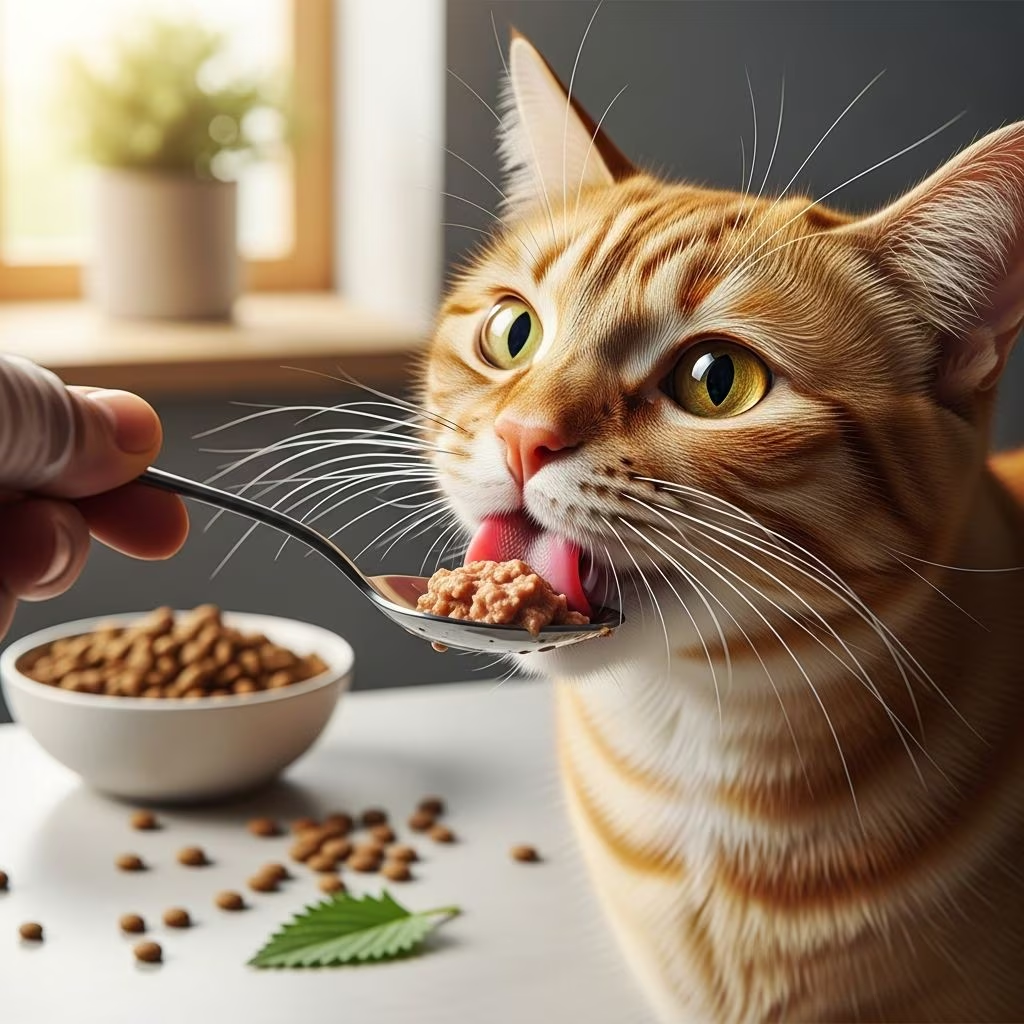
Cat food offers a unique savory experience for humans, often described as intensely meaty with fishy undertones, gritty textures in dry varieties, and a smooth, pate-like consistency in wet forms. While unappealing to most people due to high protein density and added taurine, its formulation prioritizes feline carnivorous needs over human palatability.
The Science Behind Cat Food’s Flavor Profile
Cats perceive taste differently from humans, relying heavily on umami from amino acids like taurine and glutamate found in meat sources. High-quality animal proteins such as chicken, turkey, beef, and fish form the base, delivering essential nutrients that cats cannot synthesize themselves. For humans, this translates to a strong, gamey savoriness lacking sweetness or spice complexity found in human cuisine.
Dry kibble crunches with a toasted grain note from digestible carbohydrates like rice or peas, while wet food provides a silky texture enhanced by synthetic thickeners. Flavor enhancers amplify meatiness, making it irresistible to cats but overwhelming for people.
Key Ingredients Shaping Taste and Nutrition
Understanding cat food’s composition reveals why its taste diverges from human expectations. Premium formulas prioritize these elements:
- High-Quality Proteins: Deboned chicken or turkey as the first ingredient ensures at least 26% crude protein for muscle maintenance.
- Taurine: Added for heart and eye health; imparts a subtle bitterness humans notice.
- Fats and Fatty Acids: Omega-3 and omega-6 from fish oil support skin and coat, adding richness.
- Vitamins and Minerals: Organ meats like liver provide B vitamins for metabolism.
Avoid fillers like corn gluten or excessive grains, which dilute protein quality and introduce starchy blandness.
| Nutrient | Role in Cat Health | Common Sources |
|---|---|---|
| Protein (>50% calories ideal) | Muscle growth, energy | Meat, fish |
| Fat (20-40% calories) | Energy, coat health | Animal fats, fish oil |
| Taurine | Heart, vision | Meat, supplements |
| Carbohydrates (low, digestible) | Supplemental energy | Rice, peas |
This balance mimics a cat’s natural prey diet: high protein, moderate fat, minimal carbs.
Human Taste Tests: What Real People Report
Anecdotal experiences from pet owners and curious samplers consistently highlight cat food’s meat-forward punch. Dry food tastes like stale, fishy cereal with a powdery aftertaste from preservatives. Wet varieties evoke canned tuna or liver paste—salty, metallic, and unnaturally smooth.
Variations depend on brand: grain-free options lean gamier, while fish-based formulas amplify oceanic notes. Texture plays a key role; pate is easiest to swallow, chunks add chewiness. Most agree it’s edible in tiny amounts but not enjoyable, due to concentrated nutrients unbalanced for omnivores.
Why Cats Adore It Despite Human Dislike
Felines evolved as obligate carnivores, thriving on meat comprising over 50% of caloric intake. Their 470 taste buds (vs. human 9,000) prioritize protein detection over sweetness, explaining appeal of taurine-rich formulas. AAFCO standards ensure completeness, listing proteins first in quality products.
Ingredients like synthetic flavors mimic prey scents, triggering instincts. Humans, adapted to diverse flavors, find the lack of sugar or acid off-putting.
Nutritional Must-Haves for Feline Diets
Beyond taste, cat food must meet AAFCO guidelines for life stages. Kittens need DHA for brain development, adults require 26% protein minimum. Essential amino acids—arginine, lysine, methionine—must come from animal sources, as plants lack sufficient taurine.
- Water-rich wet food (70%+) aids hydration.
- Low phosphorus for kidney health in seniors.
- Fiber from chicory root supports digestion.
Guaranteed analysis on labels confirms: crude protein, fat, fiber, moisture levels.
Ingredients to Avoid for Better Taste and Health
Not all cat foods are equal. Steer clear of:
- Meat by-products: Low-quality scraps altering texture and flavor negatively.
- Grains as primary fillers: Cause digestive issues, dilute taste.
- Artificial colors/preservatives: Unnecessary, potentially harmful.
- Dairy/sugar: Upsets feline stomachs, adds unneeded sweetness.
Opt for named meats first, avoiding vague “animal digest.”
Safe Ways to Sample Cat Food
If tempted, choose human-grade wet food sparingly. Tiny tastes prevent upset; dry kibble risks dental damage from hardness. Never feed human food mimicking cat nutrition—onions, chocolate are toxic.
Consult vets for allergies; some cats reject fishy tastes if overfed.
Choosing the Best Cat Food for Palate and Health
Scan labels: Protein sources top the list, no propylene glycol (banned for cats). Natural ingredients per AAFCO avoid synthetics beyond necessities. Test via trial sizes; observe acceptance and stool quality.
Homemade alternatives require vet formulas to balance nutrients precisely.
FAQs
Is cat food safe for humans to eat?
In small amounts, yes, but it’s unbalanced for human needs and often unpalatable.
Why does cat food taste fishy?
Fish proteins and omega oils provide essential fatty acids, amplifying marine flavors.
Can cats taste sweetness?
No, they lack sweet receptors, focusing on proteins.
What’s the healthiest cat food type?
Wet food with named meats, high protein, low carbs.
How much protein do cats need?
At least 26% for adults, ideally 50% calories from animal sources.
References
- The good, the bad, and the ugly of cat food ingredients — Untamed. 2023. https://untamed.com/blogs/nutrition/cat-food-ingredients
- The 10 essential ingredients in your cat’s food — ERA Pet Food. 2023. https://erapetfood.com/en/the-10-essential-ingredients-in-your-cats-food/
- Cat Food Labels: Nutrition Facts and Key Ingredients — Willow Glen Pet Hospital. 2023. https://willowglenpethospital.com/cat-food-labels/
- What’s in the Ingredients List? — AAFCO. 2023. https://www.aafco.org/consumers/understanding-pet-food/whats-in-the-ingredients-list/
- Cat Food Ingredients: A Comprehensive Guide — Hill’s Pet Nutrition. 2023. https://www.hillspet.com/cat-care/nutrition-feeding/cat-food-ingredients-and-benefits
- Understanding Common Ingredients and Nutrients in Cat Food — IAMS. 2023. https://www.iams.com/cat/cat-articles/understanding-common-ingredients-and-nutrients-cat-food
- CatFoodProteinFatCarbPhosphorusChart — CatInfo.org. 2017. https://catinfo.org/docs/CatFoodProteinFatCarbPhosphorusChart.pdf



