

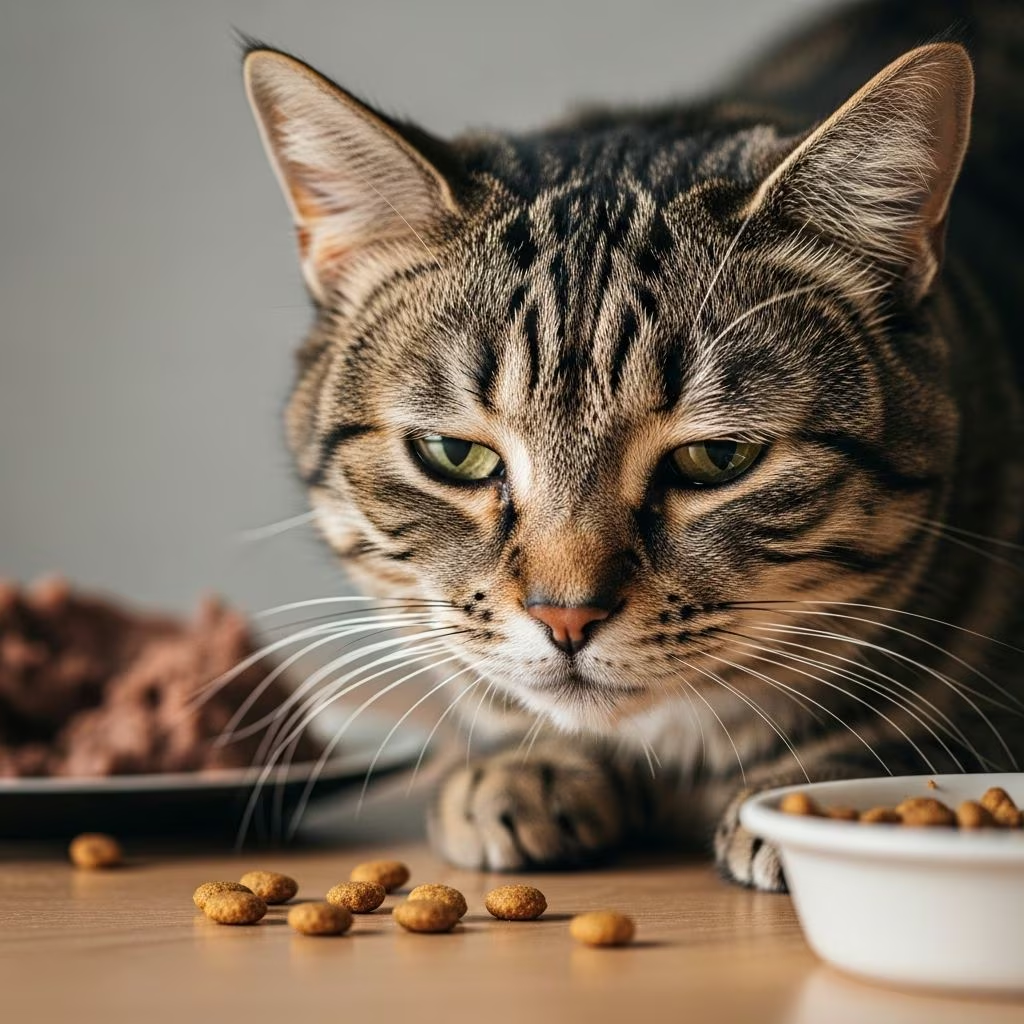
Feline food poisoning arises when cats ingest harmful substances in food, leading to rapid health decline. Common culprits include human edibles like chocolate and onions, triggering symptoms from mild upset to life-threatening seizures.
Why Cats Face High Risk from Everyday Foods
Cats possess unique metabolisms ill-suited for many human foods. Their livers struggle to process compounds like methylxanthines in chocolate or allium toxins in onions and garlic, causing cellular damage. Even small amounts can overwhelm their systems, unlike dogs with greater tolerance.
Commercial pet foods occasionally harbor contaminants like bacteria or mold toxins, though rare due to regulations. Home-prepared meals or table scraps pose greater dangers, as owners unknowingly share hazardous items.
Primary Symptoms to Watch For
Food poisoning manifests quickly, often within hours. Key indicators include:
- Vomiting: Frequent expulsion of food or bile, sometimes foamy or bloody.
- Diarrhea: Loose, watery stools that may contain mucus or blood.
- Lethargy: Unusual tiredness or reluctance to move.
- Drooling: Excessive saliva, signaling nausea or mouth irritation.
- Unsteady gait: Stumbling or weakness in limbs.
Neurological signs escalate severity: heavy breathing, tremors, or seizures demand immediate intervention. Pale gums or rapid heartbeat further signal crisis.
Common Toxic Foods and Their Effects
Several household staples poison cats. Here’s a breakdown:
| Toxic Food | Active Toxin | Symptoms | Severity |
|---|---|---|---|
| Chocolate | Methylxanthines | Vomiting, diarrhea, seizures, rapid heart rate | High |
| Onions/Garlic | Allium compounds | Anemia, weakness, vomiting | High |
| Grapes/Raisins | Unknown toxin | Kidney failure, lethargy | Critical |
| Raw Eggs/Meat | Salmonella, Avidin | Diarrhea, skin issues, biotin deficiency | Moderate |
| Coffee/Tea | Methylxanthines | Restlessness, seizures | High |
| Nuts | High fat | Vomiting, pancreatitis | Moderate |
| Yeast Dough | Ethanol, expansion | Bloating, intoxication, stomach torsion | Critical |
These toxins disrupt digestion, neurology, or organ function. For instance, coconut water’s potassium overload risks heart arrhythmias.
Bacterial Contamination in Cat Food
Beyond toxins, spoiled or undercooked foods breed bacteria like Salmonella and E. coli. Symptoms mimic viral illness: fever, cramps, and persistent diarrhea lasting days. Cats with weakened immunity face higher risks, potentially leading to dehydration.
Recognizing Dehydration in Affected Cats
Vomiting and diarrhea deplete fluids rapidly. Watch for:
- Dry gums and mouth.
- Sunken eyes.
- Reduced skin elasticity (pinch test).
- Lethargy and dizziness.
Severe cases require IV fluids to avert organ failure. Kittens, seniors, and immunocompromised cats dehydrate fastest.
Immediate Response Steps
If poisoning is suspected:
- Remove access: Confine the cat and clear hazards.
- Assess: Note what was eaten, amount, and timing.
- Contact pros: Call vet, ASPCA Poison Control (888-426-4435), or Pet Poison Helpline (855-764-7661).
- Do not induce vomit: Risks aspiration without guidance.
- Transport promptly: To nearest emergency clinic.
Vets may administer activated charcoal, anti-nausea drugs, or fluids. Bacterial cases might need antibiotics.
Recovery Timeline and Home Care
Mild cases resolve in 24-48 hours with hydration and bland diets like boiled chicken and rice. Monitor for relapse. Severe poisoning demands hospitalization for monitoring.
Post-recovery, transition slowly to regular food. Probiotics aid gut restoration. Most cats rebound fully if treated early.
Prevention Strategies for Cat Owners
Avoid sharing human food. Store securely: elevate counters, use child locks. Opt for AAFCO-approved cat foods. Educate household on risks.
- Regular vet checkups detect vulnerabilities.
- Label pantry dangers.
- Supervise multi-pet homes.
Plant-safe homes exclude lilies, which compound food risks.
Special Risks for Vulnerable Cats
Kittens process toxins slower, amplifying effects. Seniors with organ issues succumb faster. Outdoor cats scavenge unknowns, heightening exposure.
FAQs
What if my cat ate chocolate two hours ago?
Seek emergency care immediately; symptoms like hyperactivity precede seizures.
Can cats recover from onion poisoning?
Yes, with prompt blood transfusions for anemia, but delays cause lasting damage.
Is commercial cat food safe?
Generally yes, but recalls occur; check FDA alerts regularly.
How much grape is toxic?
Even one can trigger kidney issues; no safe amount exists.
Should I give anti-diarrheal meds?
No, without vet approval; they trap toxins.
Long-Term Health Monitoring
Post-incident, schedule bloodwork to check kidneys and liver. Annual tox screens for at-risk cats prevent recurrence. Nutritionists tailor diets excluding allergens.
Owners report fewer incidents post-education. Awareness saves lives.
References
- Foods Poisonous to Cats: Chocolate, Onions, Grapes, and More — GoodRx. 2023-10-15. https://www.goodrx.com/pet-health/cat/foods-poisonous-to-cats
- Poisons | Cornell University College of Veterinary Medicine — Cornell Feline Health Center. 2024-01-22. https://www.vet.cornell.edu/departments-centers-and-institutes/cornell-feline-health-center/health-information/feline-health-topics/poisons
- Food poisoning – symptoms, causes and treatment — Healthdirect (Australian Government). 2025-05-10. https://www.healthdirect.gov.au/food-poisoning
- Treatment for Food Poisoning — National Institute of Diabetes and Digestive and Kidney Diseases (NIDDK). 2024-08-01. https://www.niddk.nih.gov/health-information/digestive-diseases/food-poisoning/treatment
- Food Poisoning: Symptoms, Causes, and Treatment — Healthline. 2025-02-14. https://www.healthline.com/health/food-poisoning
- Food Poisoning: Symptoms, How You Get It & Treatment — Cleveland Clinic. 2024-11-20. https://my.clevelandclinic.org/health/diseases/21167-food-poisoning



