

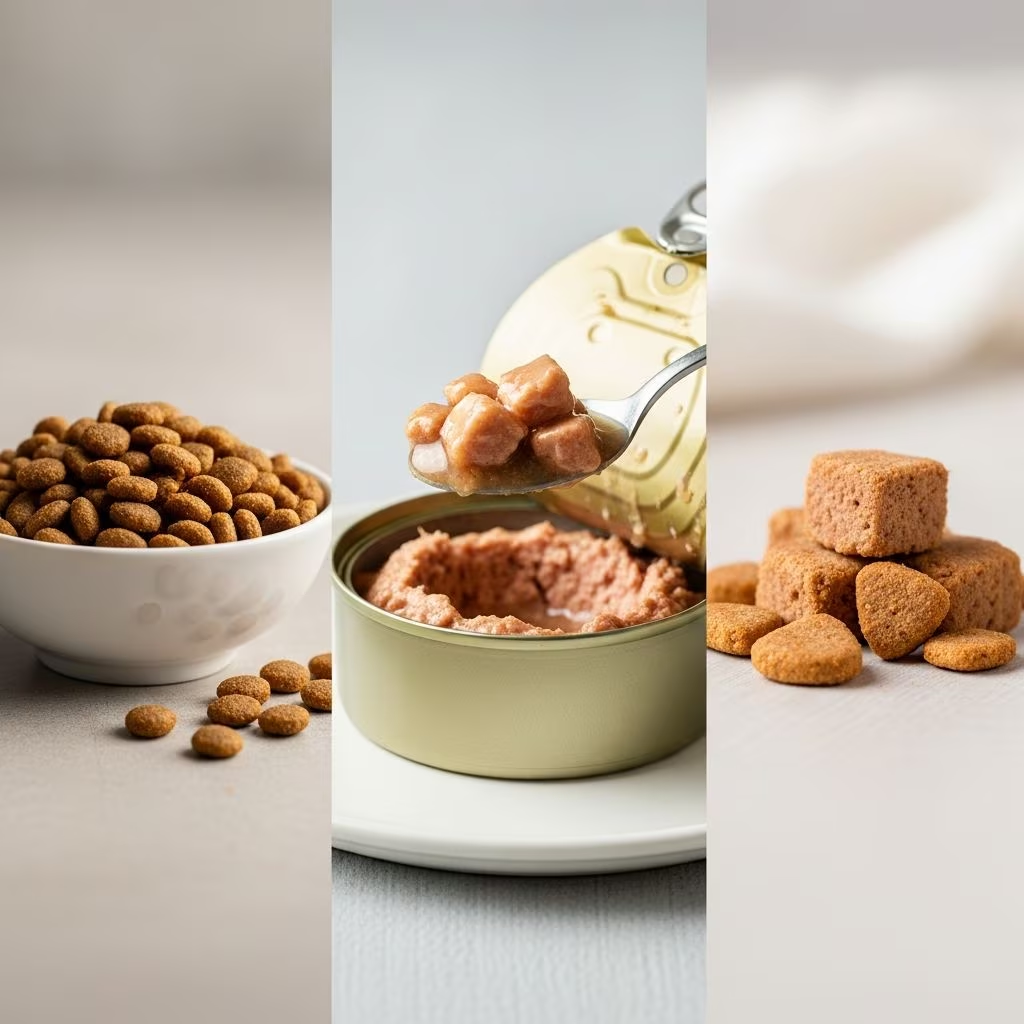
Understanding Cat Food Options: Dry, Canned, and Semi-Moist
Choosing the right food for your cat is one of the most important decisions you can make as a pet owner. The market offers three primary types of commercially prepared cat food: dry kibble, canned food, and semi-moist options. Each type has distinct characteristics, advantages, and limitations that affect not only your cat’s nutrition but also your budget and lifestyle. Understanding the differences between these food options will help you make an informed decision that best suits your cat’s individual needs, health status, and preferences.
The Composition and Moisture Content of Cat Foods
One of the most significant differences between cat food types lies in their moisture content. This factor influences everything from nutritional density to shelf life and your cat’s overall hydration. Dry kibble typically contains between 7-10% moisture, making it the most shelf-stable option available. Canned food, by contrast, contains approximately 75-85% moisture, which is substantially higher. Semi-moist food falls somewhere in the middle, with moisture content typically ranging from 35-65%, depending on the specific product.
The moisture content is particularly important for cats because their natural prey contains approximately 70-75% water. Canned foods, with their high moisture content, more closely approximate this natural diet composition. For cats that do not drink adequate amounts of water throughout the day, the moisture in wet and semi-moist foods can help maintain proper hydration and support urinary tract health.
Advantages and Disadvantages of Dry Cat Food
Why Choose Dry Kibble?
Dry food, commonly known as kibble, offers numerous practical advantages that make it a popular choice among cat owners. Kibble is the most convenient option to feed your cat, requiring minimal preparation. It has an exceptionally long shelf life in unopened packaging and can remain fresh for several weeks once opened, provided it is sealed and stored appropriately in an airtight container.
Portion management becomes much easier with dry food. You can weigh or measure a specific amount of kibble for each meal, or alternatively, measure your cat’s full daily portion into an airtight container and then portion each meal from there. For cats that prefer to graze throughout the day rather than eat their complete portion in one sitting, dry food is an ideal choice. You can measure the total daily portion into the bowl in the morning and measure any leftover at the end of the day.
Dry food comes in many sizes and shapes, allowing you to choose an option that matches your cat’s preferences and dietary needs. From a cost perspective, dry food is generally the most economical option on a per-calorie basis, making it an attractive choice for budget-conscious pet owners.
Limitations of Dry Cat Food
Despite its conveniences, dry food has notable limitations. Kibble has a very low moisture content, which means cats that are not good natural drinkers may not consume enough water. This can be problematic for cats predisposed to urinary tract issues or other conditions where increased water intake is beneficial.
While kibble stays fresh for a long time in unopened bags, the food begins to oxidize as soon as the package is opened. This oxidation can affect nutrient concentration and reduce palatability over time. Many cat owners make the mistake of purchasing bags that are too large, thinking they are getting a bargain. However, it is best to purchase a package size that will last roughly four to six weeks to ensure maximum freshness.
Unlike some dry food formulas marketed with dental health benefits, these benefits are often overstated. Additionally, dry food has a higher carbohydrate content than canned food because carbohydrates are required to hold the kibble shape together. If no carbohydrates were present, the kibbles would simply fall apart during processing.
Advantages and Disadvantages of Canned Cat Food
Benefits of Wet Cat Food
Canned cat food offers significant health advantages, particularly regarding hydration. The high water content in canned food can substantially help increase your cat’s water intake, which is especially beneficial for cats with medical conditions where increased water intake is ideal, such as urinary disease or chronic kidney disease. For cats that are not natural water drinkers, canned food provides a practical solution to ensure adequate hydration.
The high moisture in canned food reduces the energy density (calories per 100 grams), which means your cat can enjoy a larger portion per meal while providing the same number of calories as an equivalent weight of kibble. This can be psychologically satisfying for cats, as they receive a larger volume of food. Additionally, canned food typically contains higher levels of protein when compared on a dry-matter basis, and the protein is often meat-based rather than plant-based, providing superior nutritional quality.
Many cats find canned food highly palatable and appealing, and there are numerous options to choose from in the market. The variety allows you to find formulas that match your cat’s taste preferences and specific nutritional needs.
Challenges of Feeding Canned Food
The primary disadvantage of canned food is its significantly higher cost compared to kibble, particularly on a per-calorie basis. The high water content and specialized packaging contribute to this increased expense. Additionally, canned food must be kept in the refrigerator after opening, and any unused portion should be discarded after three days to prevent bacterial growth and foodborne illness.
Canned food does not stay fresh for very long once it has been transferred from the can to a food dish. Any amount that is not eaten within approximately 30 minutes should be discarded. For cats that are picky eaters and do not finish their meals quickly, this can lead to considerable food waste. Unlike some dry foods, there are no canned food options that carry documented dental health benefits.
Advantages and Disadvantages of Semi-Moist Cat Food
Benefits of Semi-Moist Options
Semi-moist cat food offers a middle ground between dry and canned options. These foods typically contain a moisture content of 35-65%, placing them between dry and canned food in terms of hydration benefits. Many cats find semi-moist options very palatable and appealing. Similar to dry and canned varieties, there are several semi-moist options to choose from, providing flexibility in meeting your cat’s preferences.
Semi-moist foods typically come in convenient pouch-type formats, which are usually designed so that the entire pouch contents are poured into the bowl for one serving. This makes portion control straightforward and eliminates the need for storage after opening. The semi-moist texture often appeals to cats that might otherwise be selective about their food.
Concerns About Semi-Moist Food
A significant disadvantage of semi-moist food is that it can contain more sugar and more salt (sodium) compared to dry or canned foods. For an average, healthy cat that is fed an appropriate number of calories each day, this might be acceptable, especially if semi-moist food is reserved as a topper or occasional treat. However, concern arises when these foods are fed to pets with specific medical conditions where sugar and sodium intake needs to be carefully controlled, such as cats with diabetes, or cats with urinary, kidney, or heart disease.
Pet owners should carefully read ingredient lists and nutritional information on semi-moist food packages, particularly if their cat has any underlying health conditions requiring dietary management. Consulting with a veterinarian before making semi-moist food a dietary staple is highly recommended.
Nutritional Considerations and Protein Quality
Beyond moisture content, the protein composition of different food types varies significantly. The protein in dry food is often heavily plant-based, which may not be of equal quality to the protein in canned food, which is typically meat-based. Canned foods generally provide higher protein content on a dry-matter basis compared to their kibble counterparts. For obligate carnivores like cats, meat-based protein sources are more bioavailable and provide superior amino acid profiles.
When evaluating cat foods, it is important to examine not just the protein percentage, but also the protein source. High-quality canned foods and premium dry foods featuring meat as the primary ingredient will provide better nutritional value than foods with predominantly grain or by-product ingredients.
Cost Comparison and Budget Considerations
| Food Type | Cost Per Serving | Shelf Stability | Best For |
|---|---|---|---|
| Dry Kibble | Lowest cost per calorie | Excellent (unopened) | Budget-conscious owners |
| Semi-Moist | Mid-range cost | Good (pouches) | Occasional treats |
| Canned Food | Highest cost per calorie | Limited (3 days opened) | Health-focused feeding |
Dry kibble is generally the most economical option when calculating cost per calorie, making it ideal for cat owners on a limited budget. Semi-moist food falls in the mid-range for cost. Canned food is the most expensive option per calorie due to the high water content and specialized packaging requirements.
Selecting the Right Food for Your Cat’s Health Needs
The best food choice for your cat depends on several factors, including your cat’s individual health status, age, activity level, and any pre-existing medical conditions. Each cat is unique, so what constitutes an appropriate serving size for one cat may not be suitable for another.
For cats with urinary tract health concerns, your veterinarian may recommend mostly canned or moistened dry food to ensure your cat’s diet contains adequate moisture content. For cats with chronic kidney disease, the increased hydration from canned food can be particularly beneficial. Conversely, for healthy adult cats without specific dietary restrictions, any of the three food types can be appropriate, provided they are fed at proper caloric levels.
Many veterinarians recommend a mixed feeding approach that incorporates multiple food types. For example, you might feed primarily dry food for convenience while supplementing with canned food several times per week to increase water intake and provide nutritional variety. This balanced approach can provide the benefits of each food type while minimizing potential drawbacks.
Storage, Freshness, and Food Safety
Proper storage and handling of cat food is essential for maintaining nutritional quality and preventing foodborne illness. Unopened bags of dry food should be stored in a cool, dry location and will remain fresh for extended periods. Once opened, dry food should be transferred to an airtight container to prevent oxidation and maintain freshness for approximately four to six weeks.
Canned food should be stored in a cool location before opening. Once opened, canned food must be refrigerated and should be discarded after three days if not fully consumed. Semi-moist food in pouches should be stored according to package directions and completely used once opened, as it does not maintain quality for extended periods.
Palatability and Cat Preferences
While nutritional considerations are important, cats must actually enjoy their food to receive proper nutrition. Pet owners often report that cats prefer canned food due to its stronger aroma and moisture content. However, many felines also enjoy the crunchy texture and convenience of dry food. Semi-moist food often appeals to selective eaters due to its texture and palatability.
Experimenting with different food types and flavors can help you identify which options your cat prefers. Some cats will readily accept multiple food types, while others may be more selective. Gradual transitions between food types, mixing new food with familiar options over several days, can help prevent digestive upset and improve acceptance of new foods.
Frequently Asked Questions About Cat Food
Q: Should I feed my cat only one type of food, or can I mix different types?
A: Many veterinarians recommend feeding a combination of food types. Mixing wet and dry food can provide hydration benefits while maintaining convenience. However, ensure your cat receives appropriate total daily calories regardless of which combination you choose. Discuss your cat’s specific dietary needs with your veterinarian.
Q: How can I tell if my cat is drinking enough water?
A: Cats should produce regular urine output and maintain normal hydration. If you notice your cat visiting the litter box infrequently or having issues with urinary health, increasing water intake through higher-moisture foods may help. If you have concerns about your cat’s hydration, consult your veterinarian.
Q: Is dry food bad for my cat’s teeth?
A: While dry food is sometimes marketed as beneficial for dental health, the relationship is not as straightforward as once believed. Good oral hygiene practices are more important than food type for maintaining dental health. However, regular veterinary dental exams remain essential regardless of diet.
Q: Can I leave canned food out all day for my cat to graze?
A: No, canned food should not be left out for extended periods. Discard uneaten canned food after approximately 30 minutes to prevent bacterial growth and foodborne illness. If your cat requires free-feeding options, dry food is more appropriate.
Q: What should I do if my cat has medical conditions like diabetes or kidney disease?
A: Cats with specific medical conditions may have particular dietary requirements. For instance, cats with diabetes or kidney disease may benefit from higher-moisture foods or specialized prescription diets. Always consult with your veterinarian before making significant dietary changes, especially for cats with existing health conditions.
Q: How do I transition my cat to a new food?
A: Gradual transitions are essential to prevent digestive upset. Mix increasing amounts of new food with the familiar food over 7-10 days, gradually increasing the proportion of new food until you’ve completely transitioned. Watch for signs of digestive discomfort during this period.
References
- Dry, Canned, or Semi-Moist: Food Choices for Cats — VCA Animal Hospitals. 2024. https://vcahospitals.com/know-your-pet/dry-canned-or-semi-moist-food-choices-for-cats
- Feeding Your Cat: Know the Basics of Feline Nutrition — Cornell Feline Health Center. 2024. https://catinfo.org
- What Is the Difference Between Dry, Semi-Moist and Wet Pet Foods? — Purina Institute. 2024. https://www.purinainstitute.com/centresquare/understanding-pet-food/what-is-the-difference-between-dry-semi-moist-and-wet-pet-foods
- Semi Moist Cat Food and Mixed-Food Diets — PetCareRx. 2024. https://www.petcarerx.com/article/semi-moist-cat-food-and-mixed-food-diets/1493
- The Benefits of Mixing Wet and Dry Cat Food — Chewy. 2024. https://www.chewy.com/education/cat/food-and-nutrition/mixing-wet-dry-cat-food



