

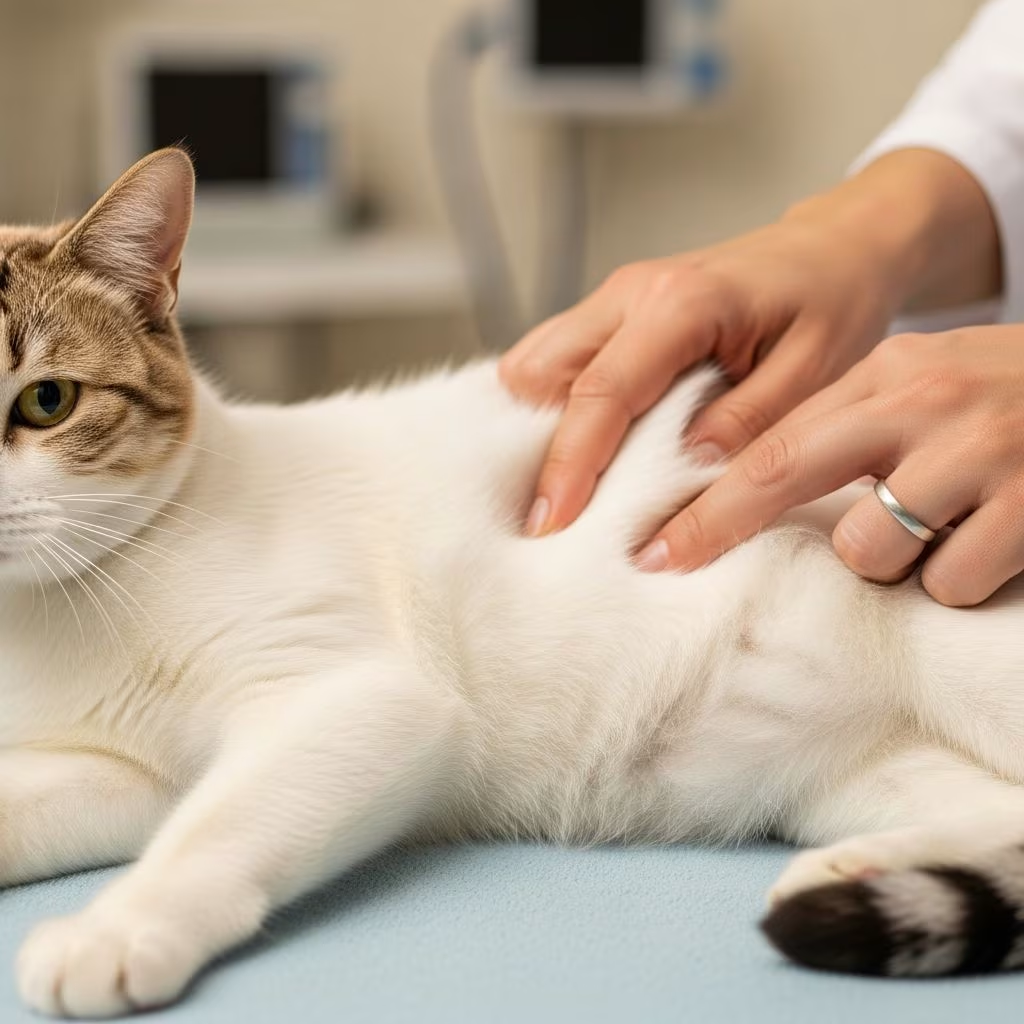
Fluid retention in cats manifests as abnormal accumulation of fluid in various body areas, signaling potential serious health problems that demand prompt veterinary intervention. This condition, known medically as edema or effusions, can affect the lungs, abdomen, or limbs, often stemming from underlying diseases like heart failure or infections.
Understanding Fluid Buildup in Felines
Fluid retention occurs when excess liquid gathers in tissues or body cavities, disrupting normal function. In cats, this can lead to **pulmonary edema** (fluid in lungs), **pleural effusion** (fluid around lungs), **ascites** (abdominal fluid), or **peripheral edema** (swelling in legs or feet). These issues impair breathing, circulation, and mobility, potentially becoming life-threatening if untreated.
The body’s fluid balance relies on proteins like albumin to keep fluid within blood vessels. When levels drop due to liver or kidney disease, or when pressure increases from heart conditions, fluid leaks out, causing swelling. Cats often mask early signs, making vigilance crucial for owners.
Common Symptoms to Watch For
Recognizing symptoms early can save lives. Cats with fluid retention may show:
- Labored breathing, rapid shallow breaths, or open-mouth respiration
- Blue-tinged gums or mucous membranes indicating oxygen deprivation
- Abdominal swelling or a pot-bellied appearance
- Lethargy, weakness, or reluctance to move
- Coughing, wheezing, or crackling sounds during breathing
- Loss of appetite, weight loss, or vomiting
- Swollen legs or feet that pit when pressed
- Fainting, exercise intolerance, or fever
Severe cases involve difficulty lying down or groaning from discomfort. If breathing changes or swelling appears suddenly, seek emergency care immediately.
Primary Causes Behind Fluid Accumulation
Fluid retention rarely occurs alone; it’s typically a symptom of broader issues. Key causes include:
| Cause Category | Examples | Affected Areas |
|---|---|---|
| Heart-Related | Congestive heart failure, right-sided failure | Lungs, abdomen |
| Infections | Feline infectious peritonitis (FIP), bacterial infections | Abdomen, chest |
| Organ Failure | Liver disease (cirrhosis), kidney failure, low albumin | Abdomen, limbs |
| Cancer | Tumors causing blockages or leakage | Multiple |
| Trauma/Injury | Blunt force, electrocution, burns | Chest, abdomen |
Other factors like nephrotic syndrome or hypoproteinemia exacerbate leakage. In fluid therapy cases, overload from excessive administration can mimic or worsen these.
Diagnostic Approaches for Accurate Identification
Veterinarians use a multi-step process to pinpoint causes. Initial assessment includes physical exams for swelling, hydration, and breathing patterns.
- Imaging: Chest X-rays or ultrasounds reveal fluid in lungs or abdomen, assessing heart size and organ health
- Fluid Analysis: Thoracentesis (chest tap) or abdominocentesis (belly tap) samples fluid for infection, cancer cells, or protein content
- Blood Tests: Check organ function, protein levels, electrolytes, and infectious diseases like FIP
- Urine Tests: Detect protein loss or kidney issues
- Advanced Scans: CT, MRI, or biopsies for complex cases
Sedation ensures safety during taps, preventing organ damage or infection. Monitoring weight and fluid balance helps rule out therapy-induced overload.
Treatment Strategies and Management
Treatment targets the root cause while relieving symptoms. Emergency steps prioritize stabilizing breathing:
- Oxygen Therapy: For pulmonary cases to improve ventilation
- Fluid Drainage: Thoracentesis or chest drains remove excess, analyzed for diagnosis
- Medications: Diuretics reduce fluid, antibiotics fight infections, heart meds support cardiac function
- Supportive Care: IV fluids for dehydration, nutrition, and electrolyte correction
Long-term management varies: surgery for tumors, antivirals for FIP (limited success), or dietary changes for liver/kidney support. Prevent overload by tracking inputs/outputs during therapy. Prognosis depends on cause—early heart issues fare better than advanced cancer.
Preventive Measures and Home Care Tips
While not all cases are preventable, proactive steps help:
- Regular vet checkups for early detection of heart or organ disease
- Maintain ideal weight to reduce heart strain
- Avoid toxins, electrical hazards, and trauma
- Monitor for FIP in multi-cat homes via vaccination where available
- Track eating, drinking, litter habits, and breathing rates daily
At home post-treatment, restrict sodium, encourage light activity, and report symptom recurrence. Fluid overload risks during illness require vigilant monitoring.
Prognosis and Long-Term Outlook
Outcomes hinge on swift diagnosis and cause. Reversible issues like infections respond well to drainage and meds. Chronic conditions like heart failure may need ongoing therapy, with periodic X-rays. FIP remains challenging, often poor prognosis. Owners should prepare for potential recurrence, emphasizing quality of life.
Frequently Asked Questions (FAQs)
What should I do if my cat’s belly is swollen?
Consult a vet urgently; it could indicate ascites from serious causes like FIP or heart disease.
Is fluid in cat lungs treatable?
Yes, with prompt drainage, oxygen, and cause-specific therapy, but delays risk permanent damage.
Can diet cause fluid retention in cats?
Indirectly, via obesity straining the heart or low-protein diets dropping albumin levels.
How is peripheral edema diagnosed?
Via physical pitting test, bloodwork, and imaging to identify underlying issues.
Is ascites painful for cats?
It causes discomfort from pressure, leading to lethargy and breathing issues.
Fluid retention demands immediate action to protect your cat’s health. Stay informed and proactive for the best results.
References
- Fluid In and Around a Cat’s Lungs — Springfield Vet (GSAH Vet). 2022-10-30. https://www.gsahvet.com/site/blog/2022/10/30/fluid-cat-lungs
- Fluid In The Abdomen in Cats — WagWalking. Accessed 2026. https://wagwalking.com/cat/condition/fluid-abdomen
- Ascites in Cats: Causes, Symptoms, and Treatment — PetCareRx. Accessed 2026. https://www.petcarerx.com/article/ascites-in-cats-causes-symptoms-and-treatment/6800
- Ascites in cats — Joii Pet Care. Accessed 2026. https://www.joiipetcare.com/blogs/health-symptoms/ascites-in-cats
- Edema in Cats — PetMD. Accessed 2026. https://www.petmd.com/cat/symptoms/edema
- Section 6: Fluid Overload – 2024 AAHA Fluid Therapy Guidelines for Dogs and Cats — AAHA. 2024. https://www.aaha.org/resources/2024-aaha-fluid-therapy-guidelines-for-dogs-and-cats/section-6-fluid-overload/
- Fluid in the Abdomen Fact Sheet — Davies Veterinary Specialists. Accessed 2026. https://www.vetspecialists.co.uk/fact-sheets-post/fluid-in-the-abdomen-fact-sheet/



