

Understanding Cat Fleas: A Complete Guide for Pet Owners
Cat fleas are among the most common parasites affecting domestic pets, causing discomfort and potential health complications for both cats and their owners. These tiny insects, scientifically known as Ctenocephalides felis, are blood-feeding parasites that can quickly infest your home and cause significant problems if left untreated. Understanding what cat fleas are, how to identify them, and the most effective control methods is essential for maintaining your cat’s health and keeping your household flea-free.
What Are Cat Fleas?
Cat fleas are parasitic insects that feed exclusively on the blood of warm-blooded animals. While they are most commonly found on cats and dogs, they can also infest other urban wildlife including opossums, foxes, mongooses, and occasionally rats. These pests are particularly problematic because they don’t just cause physical discomfort through their bites; they can also transmit serious diseases and parasites to both pets and humans. A single female flea can lay 4-8 eggs after consuming a blood meal and can produce between 400-500 offspring during her lifetime, making infestations escalate rapidly without intervention.
Cat Flea Identification
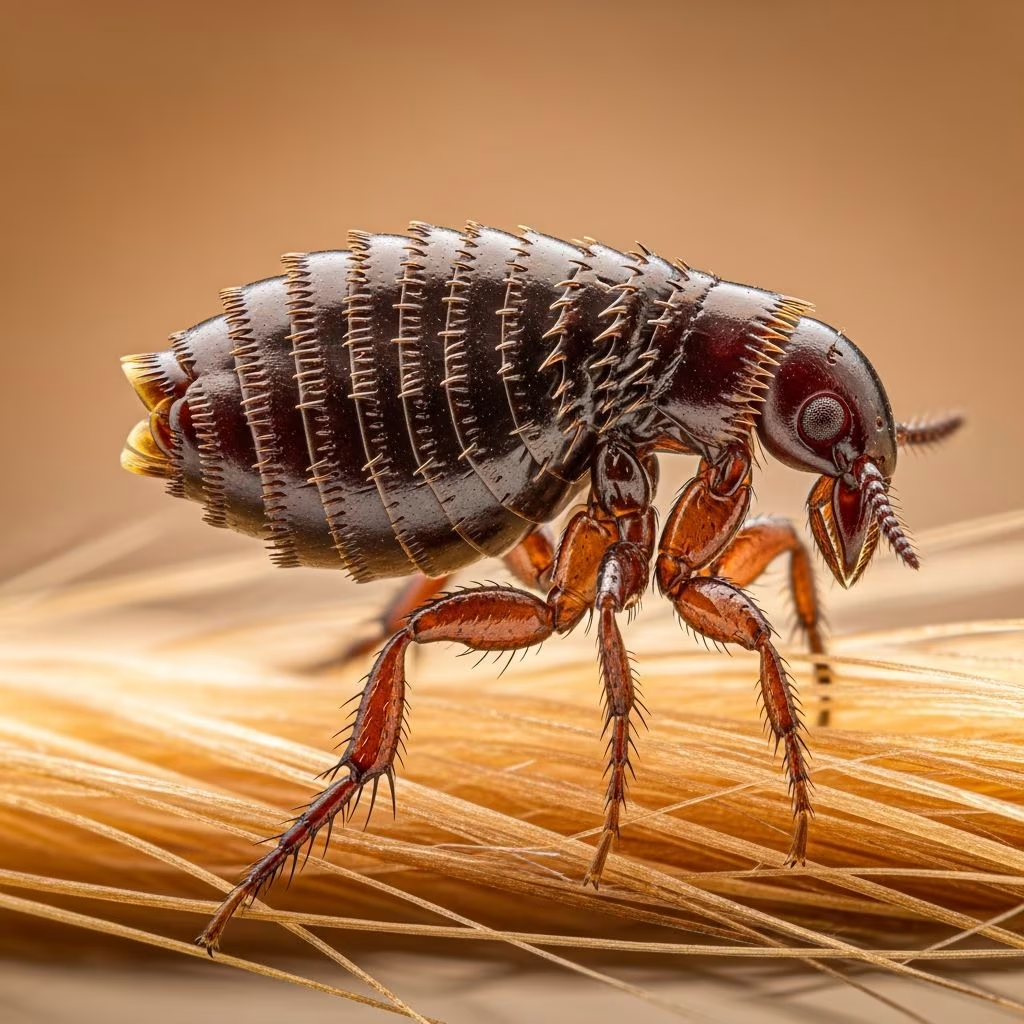
Proper identification is the first step in effective flea control. Adult cat fleas are remarkably small, measuring approximately 1/8 inch (2.5 mm) in length. Despite their diminutive size, they possess several distinctive characteristics that make them identifiable.
Physical Characteristics
Color and Appearance: Cat fleas are typically brownish-black to black in color. However, when they have recently fed on blood, they may appear reddish-black due to the visible blood in their abdomens. Their bodies are notably flattened from side to side (laterally compressed), which allows them to move easily through a cat’s fur and hide in tight spaces.
Body Structure: Female cat fleas have disproportionately small heads relative to their body length, being approximately twice as long as they are high. These insects have six legs, with their hind legs being particularly powerful and adapted for jumping. Despite having no wings, cat fleas can jump distances up to 150 times their body length, enabling them to easily transfer from one host to another or onto unsuspecting humans.
Eggs: Cat flea eggs are extremely small, measuring only 1/64 inch (0.5 mm) in length. They are oval-shaped and white or cream-colored, making them difficult to spot with the naked eye. These eggs are smooth and readily fall from the host animal onto bedding, carpets, and other environmental surfaces.
Where to Look for Fleas on Your Cat
If you suspect your cat has fleas, examine these areas first:
- The base of the tail
- The armpits and groin region
- The back and legs
- The cat’s face and belly
Using a fine-toothed flea comb is an effective way to detect fleas on your cat. Comb through the fur and look for tiny, fast-moving black dots. You may also see flea dirt, which appears as small brown-black flecks resembling dirt or pepper. Flea dirt is actually flea feces and indicates active flea presence on your pet.
The Cat Flea Life Cycle
Understanding the complete life cycle of cat fleas is crucial for implementing effective treatment and prevention strategies. The lifecycle consists of four distinct stages: egg, larva, pupa, and adult. Under ideal conditions, the entire cycle can be completed in as little as two weeks, but in adverse conditions, it may take up to a year.
Egg Stage
After a female flea feeds on blood, she begins laying eggs within 24-48 hours. A single female deposits 4-8 eggs after each blood meal. These eggs are typically laid on or between the host animal’s hairs, but they easily fall off or get shaken loose. Flea eggs are commonly found in cracks and crevices where pets sleep or frequent, including along their usual pathways throughout the home. The eggs typically hatch within 2-5 days under favorable conditions.
Larval Stage
When eggs hatch, they release larvae that are no larger than 3/16 inch long. These larvae are worm-like creatures with a distinct brownish head but lack eyes and legs. Flea larvae avoid light and burrow deep into carpets, bedding, and crevices in the home where they feed on organic debris and flea feces. This stage typically lasts about one week before the larvae mature into pupae.
Pupal Stage
During the pupal stage, larvae spin cocoons and remain protected within them. This is one of the most resilient stages of the flea lifecycle. Pupae may remain dormant in their cocoons for anywhere from 4 days to as long as 20 weeks, or even up to 2 years in some cases. This extended dormancy period makes it particularly challenging to eliminate flea infestations, as pupae can survive unfavorable conditions and emerge when environmental circumstances improve.
Adult Stage
Several factors trigger adult fleas to emerge from their cocoons, including increased temperature, vibrations, and mechanical pressure. Once emerged, adult cat fleas typically seek a blood meal within 2-7 days. They use visual and thermal cues to locate host animals. Remarkably, newly emerged fleas can survive only a few days without a blood meal in most home environments, typically dying within 1-2 weeks if they cannot find a host.
Unlike many other flea species, adult cat fleas spend virtually all their time on a host animal, where they feed, mate, and lay eggs. However, they typically only survive several days on a cat or dog because grooming and scratching dislodge them. Once on a host, they begin the reproductive cycle anew, perpetuating the infestation.
How Cats Get Fleas
Fleas can reach your cat through multiple pathways. While direct contact with infested animals is one route, most cats acquire fleas from their environment. Flea eggs fall from infested wildlife such as raccoons, opossums, and rodents into yards and gardens. When your cat spends time outdoors or comes into contact with these environments, newly hatched adult fleas jump onto your pet to complete their lifecycle. Even indoor cats are not immune, as fleas can enter homes on clothing, other pets, or even humans.
Cat Flea Bites
Cat flea bites can cause itchy, swollen red bumps on both feline and human skin. In cats, flea bites can trigger allergic reactions and dermatitis, leading to excessive scratching, hair loss, and skin infections. The flea’s saliva contains anticoagulants and other compounds that can cause serious allergic reactions in sensitive individuals.
Flea Bites on Humans
When fleas are dislodged from their animal host, they may bite humans, particularly on the ankles and lower legs. If bitten, follow these first aid steps:
- Resist the urge to scratch the affected area, as this can lead to infection
- Clean the area with soap and water
- Apply an ice pack to minimize swelling and itching
- Consider using an antihistamine and hydrocortisone ointment for symptom relief
- Seek immediate medical attention if allergic reactions occur, including wheezing, shortness of breath, or severe swelling
Health Risks Associated with Fleas
Beyond the irritation and discomfort of flea bites, these parasites pose several serious health threats. Flea infestations can lead to:
- Flea allergy dermatitis (FAD) in sensitive cats and humans
- Transmission of tapeworms and other parasites
- Transmission of diseases such as typhus and plague
- Anemia in cases of severe infestation, particularly in kittens and elderly cats
- Secondary skin infections from excessive scratching
- Hair loss and skin damage
Flea Prevention and Control
Effective flea control requires a multi-faceted approach that addresses both the pet and the home environment.
Treating Your Cat
Always use products specifically licensed for treating cats, as some dog products can be highly toxic to felines. Available treatments include:
- Topical treatments applied monthly
- Oral medications prescribed by veterinarians
- Flea collars designed for modern flea prevention
- Injectable treatments for comprehensive parasite control
Consult your veterinarian to determine the best treatment option for your cat’s specific needs and lifestyle.
Treating Your Home
Since the majority of flea lifecycle stages occur in the environment rather than on the cat, home treatment is essential for complete flea elimination.
Vacuuming: Regular and thorough vacuuming of all carpets, floors, and soft furnishings is a critical first step. Pay special attention to areas where your cat spends the most time, including favorite sleeping spots and furniture. Move cushions and furniture to vacuum underneath them, and don’t forget baseboards and cracks between floorboards where larvae commonly hide.
Washing: Wash your cat’s bedding in hot water or replace it entirely to remove eggs and dead fleas. Hot water kills flea eggs and larvae effectively.
Environmental Sprays: After vacuuming, apply appropriate flea insecticides throughout the household. Sprays should be used in all areas where flea eggs, larvae, and pupae are likely to develop. Concentrate on soft furniture, beds, carpets, and hard-to-reach areas. Use a gentle bath with dish soap on your cat to help kill live fleas and wash away larvae and flea dirt.
Prevention Strategies
The most effective approach to flea control is prevention:
- Use year-round flea prevention products as recommended by your veterinarian
- Maintain regular grooming and inspect your cat frequently
- Keep your cat indoors to reduce exposure to flea-infested wildlife
- Treat all household pets simultaneously to prevent cross-infestation
- Maintain a clean home environment through regular vacuuming and washing
- Consider treating your yard if outdoor cats have access to your property
Frequently Asked Questions
Q: How quickly can cat fleas multiply?
A: A single female flea can lay 4-8 eggs after each blood meal and produce 400-500 offspring in her lifetime. Under ideal conditions, the complete lifecycle can occur in as little as two weeks, meaning infestations can escalate rapidly.
Q: Can indoor cats get fleas?
A: Yes, indoor cats are just as susceptible to fleas as outdoor cats. Fleas can enter homes on clothing, other pets, or even humans, making indoor cats vulnerable to infestation.
Q: How long can fleas survive without a host?
A: Newly emerged adult fleas can only survive a few days without a blood meal, typically dying within 1-2 weeks in most home environments. However, pupae can remain dormant for up to 2 years awaiting ideal conditions.
Q: What should I do if I find fleas on my cat?
A: Contact your veterinarian immediately for appropriate treatment options. Treat all household pets, thoroughly vacuum your home, wash bedding in hot water, and apply environmental flea treatments to prevent re-infestation.
Q: Can I use dog flea treatments on my cat?
A: No, never use dog flea products on cats. Some dog flea treatments are highly toxic to felines. Always use products specifically labeled and licensed for use on cats.
References
- Cat Flea — National Pest Management Association (NPMA). https://www.pestworld.org/pest-guide/fleas/cat-flea/
- Flea Control in Cats — VCA Animal Hospitals. https://vcahospitals.com/know-your-pet/flea-control-in-cats
- Fleas and Flea Control in Cats — International Cat Care (iCatCare). https://icatcare.org/articles/fleas-and-flea-control-in-cats
- Fleas — Companion Animal Parasite Council (CAPC). https://capcvet.org/guidelines/fleas/
- What Do Fleas Look Like on Cats? — PetMD. https://www.petmd.com/cat/general-health/what-do-fleas-look-cats



