
Cat Fleas: Detection and Elimination Guide
Discover how to spot fleas on your cat, treat infestations effectively, and prevent future outbreaks for a healthier feline companion.
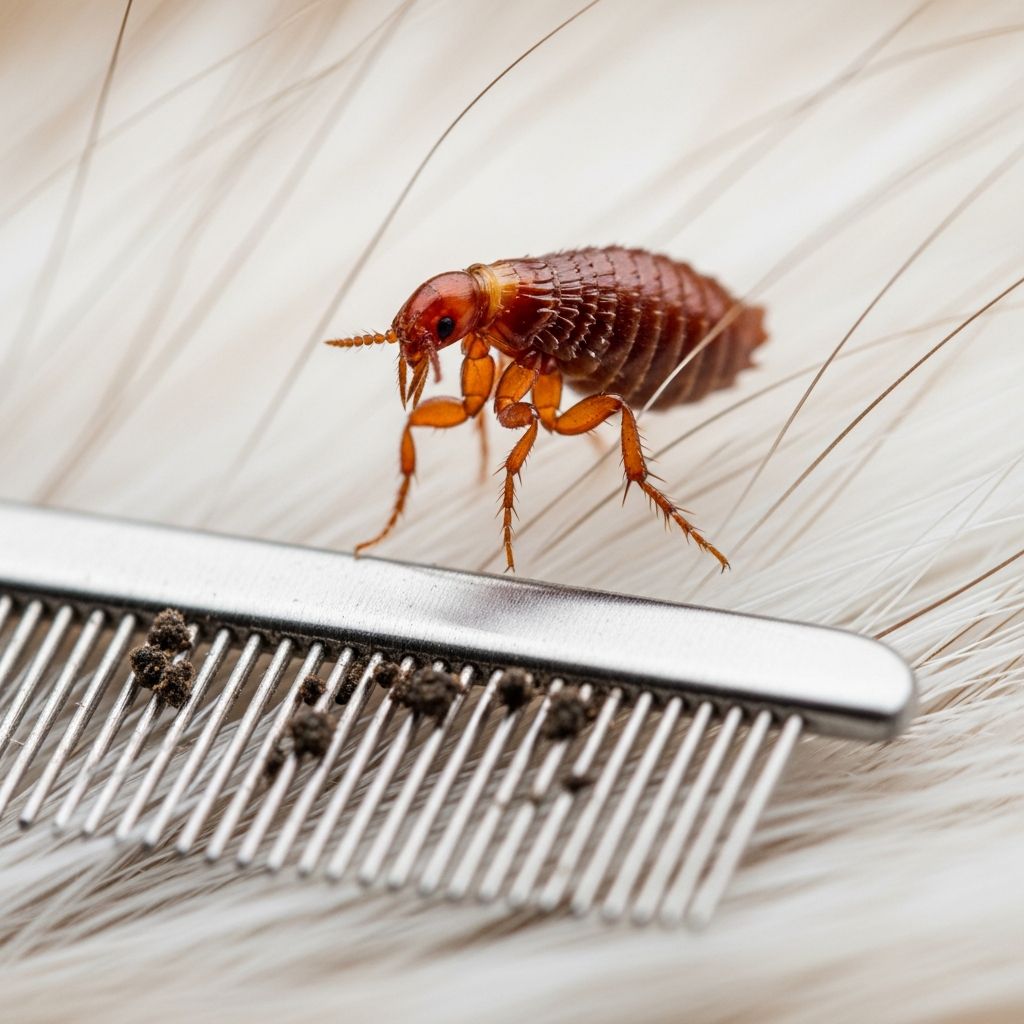
Fleas represent one of the most prevalent external parasites affecting cats, capable of triggering discomfort, skin conditions, and even secondary health complications if not addressed promptly. These tiny insects thrive in warm environments and can rapidly multiply, making swift detection and comprehensive treatment essential for your pet’s well-being.
Recognizing the Presence of Fleas on Your Cat
Early identification of fleas prevents escalation into severe infestations. Cats often mask initial signs through vigorous grooming, but observant owners can spot subtle indicators.
- Persistent Scratching and Grooming: Cats may excessively lick, chew, or scratch areas like the base of the tail, neck, and hindquarters, leading to noticeable agitation.
- Visible Parasites or Debris: Part the fur to check for live fleas—small, dark, fast-moving specks—or flea dirt, which appears as black pepper-like particles that turn red when wet with saliva.
- Skin and Coat Changes: Look for hair loss in symmetrical patterns along the back, red inflamed skin, scabs, or crusty bumps, particularly in flea-sensitive cats.
- Secondary Indicators: Tapeworm segments resembling rice grains near the anus signal flea ingestion, as fleas serve as intermediate hosts.
- Systemic Effects: In heavy cases, lethargy, pale gums, or anemia may occur due to blood loss from bites.
To confirm, use a fine-toothed flea comb: glide it through the fur, focusing on the head, neck, and tail base, then dip it in soapy water to drown captured fleas. Repeat several times daily for monitoring.
Health Risks Associated with Flea Infestations
Beyond irritation, fleas pose significant threats. Many cats develop flea allergy dermatitis (FAD), an allergic reaction to flea saliva causing intense itching and dermatitis even from minimal bites.
| Symptom | Description | Affected Areas |
|---|---|---|
| Itching & Scratching | Primary response leading to self-trauma | Base of tail, back, neck |
| Hair Loss (Alopecia) | From over-grooming | Groin, thighs, ears |
| Skin Lesions | Scabs, redness, infections | Lower back, abdomen |
| Secondary Infections | Bacterial from broken skin | Any scratched site |
Severe cases invite bacterial infections requiring antibiotics, while chronic exposure weakens immunity. Kittens and seniors face heightened anemia risks from blood-feeding fleas.
Immediate Steps for Treating Your Cat
Begin treatment upon detection, consulting a veterinarian for tailored advice, as cats are sensitive to certain chemicals like permethrin.
- Bathe the Cat: Use mild soap or oatmeal shampoo to drown fleas; comb out residues post-bath. Soap suffocates light infestations effectively.
- Apply Vet-Recommended Products: Opt for topicals (spot-ons like fipronil or imidacloprid), orals, or injectables that kill fleas quickly—some within 30 minutes—and prevent eggs.
- Treat All Household Pets: Multi-pet homes demand simultaneous treatment to avoid reinfestation.
Avoid over-the-counter shampoos alone, as they offer short-term relief without residual protection. For FAD, vets may prescribe antibiotics (e.g., Clavamox, Convenia) or steroids to manage inflammation and infections.
Comprehensive Environmental Control Strategies
Fleas spend 95% of their life cycle off the host in carpets, bedding, and yards, necessitating home-wide intervention.
- Vacuum Diligently: Daily vacuum floors, furniture, baseboards, and under cushions; seal and discard bags outdoors to eliminate eggs and larvae.
- Wash Fabrics: Hot, soapy water for bedding, throws, and rugs weekly kills all stages.
- Use Growth Regulators: Apply pet-safe sprays with insect growth regulators (IGRs) to disrupt flea development; target hotspots like pet beds.
- Yard Maintenance: Mow grass, remove debris, and consider professional pest control for outdoor areas.
- Natural Aids: Diatomaceous earth (food-grade) or borax in non-pet zones, following safety guidelines.
Professional exterminators excel for severe cases, ensuring cat-safe methods.
Long-Term Prevention Methods
Consistent preventives break the flea life cycle year-round, especially in warm climates.
| Method | Application | Duration | Notes |
|---|---|---|---|
| Spot-On Topicals | Neck application | 1 month | Kills fleas/eggs; vet consult required |
| Oral Tablets | Ingestion | 1-3 months | Sterilizes/kills on bite |
| Flea Collars | Wearable | Up to 8 months | Avoid odorous types |
| Injectables | Vet-administered | 6 months | Combines with others for full coverage |
Regular flea comb checks and baths maintain vigilance. Indoor-only cats still need protection from tracked-in fleas.
Frequently Asked Questions (FAQs)
How quickly do flea treatments work on cats?
Many products kill fleas within 30 minutes to 12 hours, but FAD symptoms may linger weeks until inflammation subsides.
Can I use dog flea products on my cat?
No—substances like permethrin are toxic to cats. Always select cat-specific formulations.
Do indoor cats need flea prevention?
Yes, fleas enter via shoes, other pets, or vents.
How often should I vacuum during an infestation?
Daily, disposing of contents outdoors.
What if my cat’s itching persists after treatment?
Consult a vet for possible secondary infections or allergies.
Monitoring and Ongoing Care
Post-treatment, observe for recurrence. Monthly preventives, combined with hygiene, ensure lasting flea-free status. Educate family on risks to maintain a safe environment.
References
- What Is Flea Allergy Dermatitis in Cats? Symptoms, Causes and Treatment — PetMD. 2023. https://www.petmd.com/cat/conditions/skin/what-flea-allergy-dermatitis-cats-symptoms-causes-and-treatment
- How to Get Rid of Fleas on Cats — PetVet Care Centers. 2022-08-31. https://www.petvetcarecenters.com/site/blog/2022/08/31/how-get-rid-fleas-cats
- Cat Fleas: Causes, Prevention & Treatment — Purina US. 2023. https://www.purina.com/articles/cat/health/parasites/cat-fleas
- Fleas: A Source of Torment for your Cat — Cornell University College of Veterinary Medicine. 2023. https://www.vet.cornell.edu/departments-centers-and-institutes/cornell-feline-health-center/health-information/feline-health-topics/fleas-source-torment-your-cat
- Flea Control in Cats — VCA Animal Hospitals. 2023. https://vcahospitals.com/know-your-pet/flea-control-in-cats
- Controlling Fleas — Texas A&M AgriLife Extension Service. 2023. https://agrilifeextension.tamu.edu/library/insects/controlling-fleas/
Similar Articles








Read full bio of Sneha Tete




