

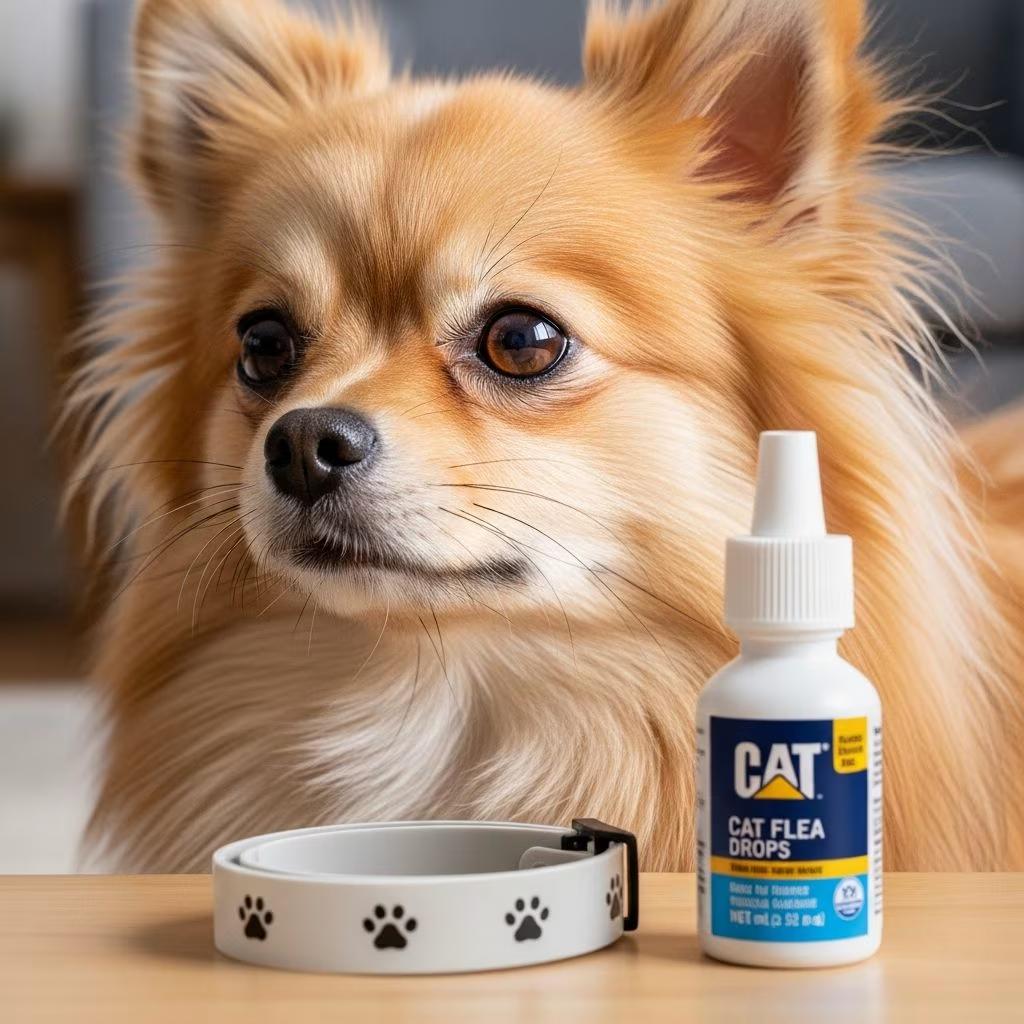
Applying flea medications formulated for cats to dogs is generally unsafe due to differences in dosing, ingredients, and species-specific tolerances. These products often fail to provide adequate protection for dogs while potentially causing adverse reactions ranging from mild irritation to severe toxicity.
Fundamental Differences Between Cat and Dog Flea Products
Flea control products are meticulously designed with pet species in mind, accounting for unique physiologies and body weights. Cats, on average, weigh far less than dogs, leading to formulations with lower active ingredient concentrations in cat-specific treatments. When applied to a dog, this results in under-dosing, leaving the animal vulnerable to infestations.
Moreover, the active chemicals differ significantly. Dog products frequently include ingredients like pyrethrins or permethrins, which are highly toxic to cats but safe for canines. Conversely, cat products may contain compounds at strengths insufficient for canine metabolism, potentially leading to uneven absorption or inefficacy.
- Dosage by Weight: Cat treatments target smaller body masses, often under 20 pounds, while dogs can exceed 100 pounds, necessitating higher volumes.
- Metabolic Variations: Dogs process certain pesticides faster, requiring tailored strengths to maintain efficacy.
- Waterproofing Levels: Dog formulas often feature enhanced waterproof barriers for active lifestyles, absent in cat versions.
Why Cross-Species Use Falls Short on Protection
Beyond safety concerns, cat flea treatments simply do not eradicate fleas on dogs effectively. Parasites develop resistance or survive due to subtherapeutic exposure, perpetuating cycles of reinfestation. This not only endangers the treated dog but also risks spreading fleas to other pets or the household environment.
| Aspect | Cat Products | Dog Products |
|---|---|---|
| Typical Dose Strength | Low concentration for small weights | Scaled for varied sizes |
| Key Ingredients | Selamectin, lower pyrethroids | Permethrins, fipronil variants |
| Efficacy Duration | Shorter on larger bodies | Optimized for canine skin |
| Safety Margin | Narrow for dogs | Wide for intended species |
This table highlights why interchangeability compromises health outcomes.
Potential Health Risks and Toxicity Symptoms
Although cat products pose lower toxicity risk to dogs compared to the reverse scenario, complications can arise, particularly in small breeds, puppies, or those with pre-existing conditions. Common symptoms include excessive salivation, lethargy, skin redness, and gastrointestinal upset. In rarer cases, neurological effects like tremors or ataxia may occur, especially with isoxazoline-class ingredients.
Severe reactions, though uncommon from cat-to-dog use, can escalate to seizures, respiratory distress, or organ strain if the dog ingests the product by licking. Smaller dogs receive proportionally higher doses per body weight, amplifying risks as noted in veterinary surveys.
- Mild Signs: Itching, drooling, mild vomiting – often resolve in 24-48 hours.
- Moderate Signs: Tremors, paw flicking, ear twitching – require monitoring.
- Severe Signs: Seizures, collapse, breathing issues – demand emergency care.
Recognizing and Responding to Accidental Exposure
If cat flea medicine is mistakenly applied to your dog, act swiftly but calmly. First, remove any remaining product by bathing the dog with mild dish soap, avoiding further absorption. Do not induce vomiting unless instructed by a professional.
Contact your veterinarian or an animal poison control hotline immediately, providing details like product name, amount applied, dog’s weight, and symptom onset. Most cases from low-dose cat products resolve without intervention, but professional assessment ensures safety, especially for vulnerable pets.
- Bathe the dog thoroughly.
- Collect product packaging for reference.
- Call vet or hotline (e.g., ASPCA Animal Poison Control).
- Monitor for 24-72 hours.
Safe Flea Prevention Strategies for Multi-Pet Homes
Maintaining separate treatment regimens is crucial in households with both cats and dogs. Label products clearly and store them apart to prevent mix-ups. Regular weighing of pets ensures accurate dosing, as weight fluctuations affect efficacy.
Veterinarians recommend consulting before selecting preventatives, considering factors like age, breed, health history, and local parasite prevalence. Oral options, collars, or sprays offer variety, with many boasting broad safety margins when used correctly.
- Annual vet check-ups for weight and health updates.
- Species-specific products only.
- Environmental control: Vacuum daily, wash bedding weekly.
Understanding Flea and Tick Product Classes
Modern preventatives fall into categories like isoxazolines (e.g., Bravecto, NexGard), which target nerves but carry rare neurologic risks. The FDA notes these are generally safe but advises history review for seizure-prone pets. Other classes include insect growth regulators and macrocyclic lactones, each with pros and cons.
Peer-reviewed data shows misuse, not inherent flaws, drives most adverse events. Proper application – at the base of the skull, away from mouth – minimizes risks.
Common Myths About Flea Treatments Debunked
Myth 1: All flea products are interchangeable if dosages match. Reality: Species biology dictates formulation.
Myth 2: Natural remedies are always safer. Reality: Efficacy varies; consult vets for evidence-based options.
Myth 3: Small amounts from cat products won’t harm big dogs. Reality: Inefficacy and potential sensitivities persist.
Long-Term Parasite Management Plans
Effective control integrates monthly treatments with habitat sanitation. Fleas spend 95% of life off-host, so treating yards and homes is vital. Professional pest services complement vet-prescribed topicals.
For multi-pet families, synchronized but segregated applications prevent cross-contamination. Track treatment dates via apps or calendars for compliance.
FAQs on Flea Product Safety
Can a single application of cat flea medicine seriously harm my dog?
Typically low-dose cat products cause mild issues in dogs, but small breeds or sensitive individuals risk more severe reactions. Always seek vet advice post-exposure.
What if my dog licks cat flea treatment off its fur?
Bathe immediately and contact a vet. Ingestion heightens toxicity potential, leading to vomiting or tremors.
Are there universal flea products for cats and dogs?
No; even same-brand lines differ by species. Read labels meticulously.
How do I choose the right flea preventative?
Discuss with your vet based on pet profile, lifestyle, and regional threats.
What are signs my dog’s flea treatment is working?
Fleas die within hours; no new bites or visible adults after 24-48 hours indicate success.
Building a Pet-Safe Home Environment
Beyond treatments, diatomaceous earth (food-grade), essential oil diffusers (pet-safe blends), and frequent laundering curb infestations. Monitor for anemia in heavy infestations, especially puppies.
Education empowers owners: Recognize life cycles – eggs, larvae, pupae, adults – to target all stages. Integrated pest management yields sustainable results without over-reliance on chemicals.
References
- Can You Use Cat Flea and Tick Products on Dogs? — PetMD. 2023. https://www.petmd.com/dog/general-health/can-you-use-cat-flea-and-tick-products-dogs
- Fact Sheet for Pet Owners and Veterinarians about Potential Adverse Events Associated with Isoxazoline Flea/Tick Products — U.S. Food and Drug Administration (FDA). 2023-01-24. https://www.fda.gov/animal-veterinary/animal-health-literacy/fact-sheet-pet-owners-and-veterinarians-about-potential-adverse-events-associated-isoxazoline-flea
- Dog Poisoning from Flea Medicine: Emergency Signs to Know — Garden State Veterinary Specialists. 2024. https://gsvs.org/blog/dog-poisoning-flea-medicine-emergency-signs/
- A survey for small animal veterinarians regarding flea and tick control pesticide products — National Center for Biotechnology Information (PMC). 2011-09-15. https://pmc.ncbi.nlm.nih.gov/articles/PMC3174502/
- Flea and Tick Medicine Poisoning in-Dogs — PetMD. 2023. https://www.petmd.com/dog/poisons/flea-and-tick-medicine-poisoning-in-dogs
- Safe use of flea and tick preventive products — American Veterinary Medical Association (AVMA). 2023. https://www.avma.org/resources-tools/pet-owners/petcare/safe-use-flea-and-tick-preventive-products
- Flea and tick prevention — Cornell University College of Veterinary Medicine. 2024. https://www.vet.cornell.edu/departments-centers-and-institutes/riney-canine-health-center/canine-health-topics/flea-and-tick-prevention



