

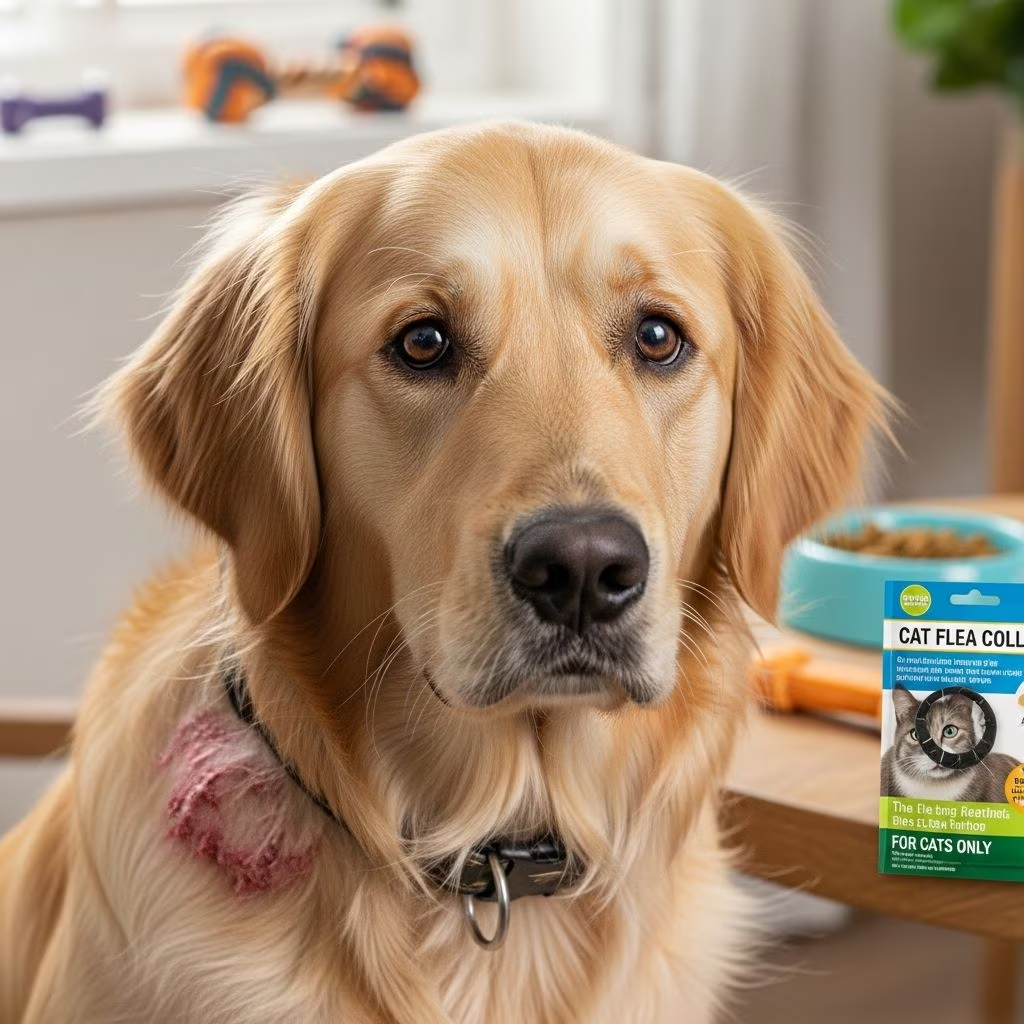
Using a flea collar formulated for cats on a dog poses significant health dangers due to differences in active ingredients and species-specific sensitivities. Veterinary experts strongly advise against this practice to prevent toxicity, skin reactions, and other severe issues.
The Dangers of Species-Specific Flea Products
Flea control products are meticulously designed for particular animals because dogs and cats metabolize chemicals differently. Cat flea collars often contain lower concentrations of insecticides tailored to feline physiology, which lacks certain enzymes found in dogs. When applied to dogs, these may fail to provide adequate protection or cause unexpected adverse effects.
Pyrethroids and organophosphates, common in some collars, illustrate this mismatch. Cats are highly sensitive to pyrethroids, so their collars use safer alternatives or diluted forms. Dogs, however, process these differently, potentially leading to under-dosing or absorption issues that irritate their skin or nervous system.
Why Formulation Matters in Flea Prevention
Flea collars release active ingredients gradually over weeks or months to kill pests on contact or through vapors. For cats, formulations prioritize minimal systemic absorption to avoid grooming-related ingestion risks, given their fastidious licking habits. Dogs, with coarser fur and different grooming patterns, require higher doses for efficacy, making cat versions insufficient and risky.
Regulatory bodies like the EPA evaluate these products under species-specific guidelines. Cross-use violates labeling and can result in ineffective pest control, allowing infestations to persist while exposing the dog to improper chemical levels.
Common Health Risks from Cross-Species Use
Applying cat flea collars to dogs can trigger a range of symptoms, from mild irritation to life-threatening conditions. Dogs may experience localized skin redness, itching, or hair loss at the collar site due to incompatible chemical concentrations. In severe cases, neurological symptoms like tremors, seizures, or lethargy emerge from chemical sensitivities or ingestion during self-grooming.
- Skin Reactions: Redness, swelling, or chemical burns around the neck.
- Gastrointestinal Distress: Vomiting or diarrhea if the dog licks the collar.
- Neurological Effects: Uncoordinated movement or hyperactivity in sensitive breeds.
- Respiratory Issues: Coughing or breathing difficulties from vapor inhalation.
Smaller dogs, puppies, seniors, or those with pre-existing conditions face amplified risks. Reports highlight fatalities from misuse, underscoring the need for strict adherence to labels.
Human Safety Concerns with Flea Collars
Beyond pet health, flea collars transfer residues to fur, posing risks to household members. Children, who frequently hug pets, may ingest pesticides via hand-to-mouth contact. Studies show residues persist for weeks, exceeding safe exposure limits set by the EPA.
Adults handling collars should wash hands thoroughly and store products securely. Households with infants or immunocompromised individuals must prioritize low-residue options to minimize secondary exposure.
Regulatory Insights on Flea Collar Safety
The EPA rigorously reviews flea collars like Seresto, confirming their registration after multi-year evaluations. While effective against fleas and ticks, labels explicitly prohibit cross-species use and warn of child exposure. Despite over 75,000 incident reports, including deaths, the agency maintains standards but urges vigilant monitoring.
| Aspect | Dog Collars | Cat Collars | Cross-Use Risks |
|---|---|---|---|
| Active Ingredients | Higher pyrethroid doses | Lower, feline-safe levels | Toxicity or inefficacy |
| Target Pests | Fleas, ticks, lice | Fleas primarily | Incomplete protection |
| Duration | 8 months typical | 7-8 months | Uneven release |
| Approval | EPA for dogs | EPA for cats | Label violation |
This comparison highlights why substitution fails.
Vet-Recommended Alternatives for Dog Flea Control
Instead of risking cross-use, opt for dog-specific products or integrated approaches. Topical spot-ons like fipronil or oral preventives such as isoxazolines offer broad-spectrum protection without collars.
- Prescription Optionals: Vet-prescribed chewables kill fleas before egg-laying.
- Shampoos and Sprays: For immediate relief in mild cases.
- Environmental Controls: Vacuuming and yard treatments reduce reinfestation.
- Natural Supplements: Essential oils like cedarwood, used cautiously.
Consult a veterinarian to tailor a plan based on your dog’s lifestyle, breed, and local parasite prevalence.
Selecting the Best Flea Prevention for Your Dog
Choosing wisely starts with professional guidance. Factors include age, weight, health history, and outdoor exposure. Verify EPA registration, follow weight/age restrictions, and select breakaway designs for safety.
In multi-pet homes, ensure compatibility to avoid interactions. For high-risk areas with ticks, combine collars with orals for layered defense.
Step-by-Step Guide to Safe Flea Collar Application
If using a dog-specific collar:
- Measure neck loosely, leaving two fingers’ space.
- Cut excess length securely.
- Monitor daily for 48 hours.
- Bathe sparingly to preserve efficacy.
Remove if reactions appear and seek vet care promptly.
Signs Your Dog Needs Immediate Flea Intervention
Watch for excessive scratching, flea dirt (black specks), pale gums from anemia, or hot spots. Early action prevents allergies or tapeworm transmission.
Long-Term Flea Management Strategies
Year-round prevention beats reactive treatment. Integrate home cleaning, pet bathing, and vet check-ups. Track efficacy with flea comb checks monthly.
Frequently Asked Questions
Can any cat flea product be used on dogs?
No, due to toxic ingredient differences; always use dog-labeled products.
What if my dog reacts to a flea collar?
Remove immediately, bathe the area, and contact a vet for supportive care.
Are natural flea collars safer?
They may reduce chemical exposure but often lack proven efficacy; test cautiously.
How long do flea collar effects last on fur?
Residues can linger weeks, so limit child contact initially.
Is Seresto safe for dogs?
EPA confirms safety when used as directed, with monitoring.
Holistic Approaches to Flea Prevention
Boost immunity with omega-3s, probiotics, and diatomaceous earth in yards. These complement but don’t replace medical preventives.
References
- Are Flea Collars Safe for Pets? 5 Critical Facts Revealed — The Pet Vet. 2023-01-15. https://thepetvet.com/are-flea-collars-safe-for-pets/
- The Hidden Dangers of Using a Flea Collar — Cedarcide. 2022-05-20. https://cedarcide.com/blogs/guides/need-stop-using-flea-collars-today
- EPA confirms registration, safety of Seresto collar — American Veterinary Medical Association (AVMA). 2023-07-13. https://www.avma.org/news/epa-confirms-registration-safety-seresto-collar
- Despite 1700 Dog and Cat Deaths from Flea Collars, EPA Silent — Beyond Pesticides. 2021-03-01. https://beyondpesticides.org/dailynewsblog/2021/03/despite-1700-dog-deaths-from-flea-collars/
- Is it Safe to Use Dog Flea and Tick Products on Cats? — PetMD. 2024-02-10. https://www.petmd.com/cat/general-health/is-it-safe-use-dog-flea-and-tick-products-cats
- Companies Agree to Stop Selling Pet Collars Containing Pesticide — U.S. Environmental Protection Agency (EPA). 2023-11-05. https://www.epa.gov/safepestcontrol/companies-agree-stop-selling-pet-collars-containing-pesticide-protect-children



