

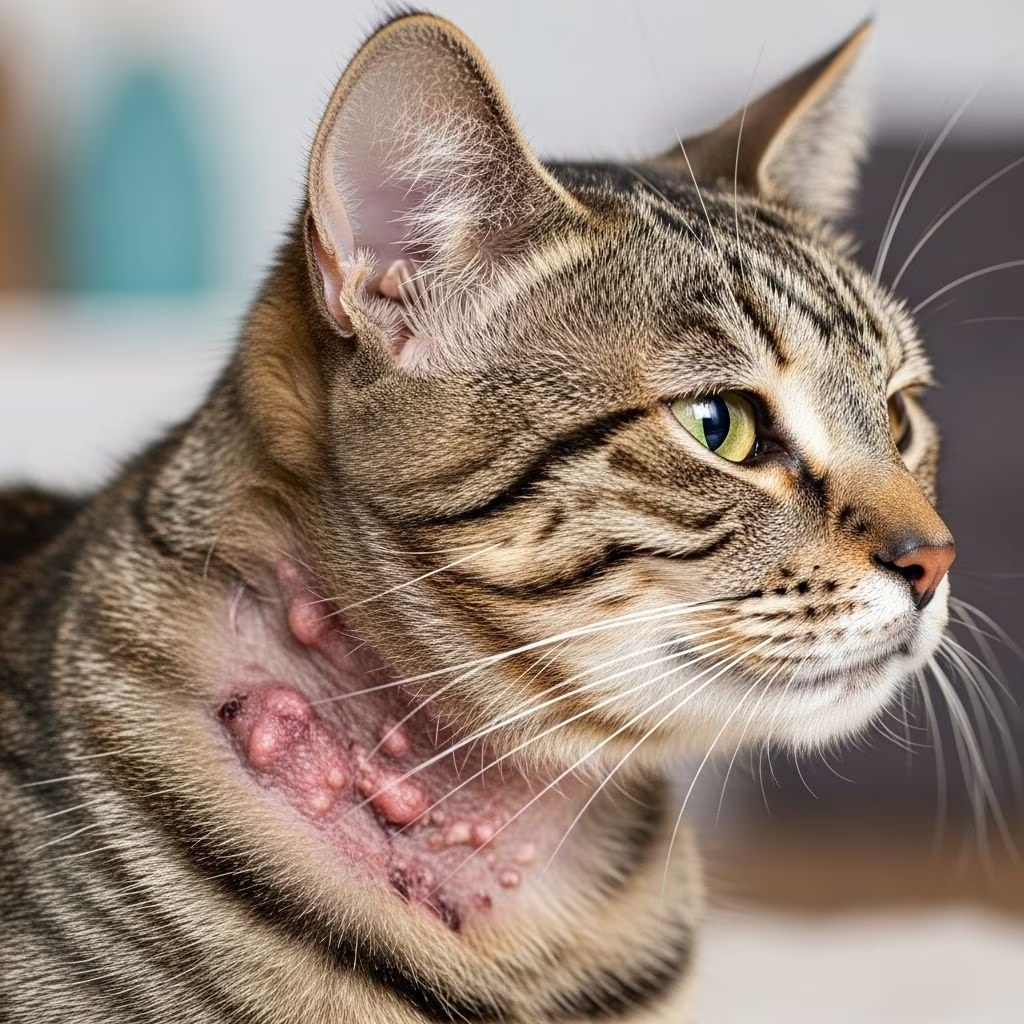
Flea collars can provoke severe allergic reactions in sensitive cats, leading to intense itching, skin inflammation, and hair loss primarily around the neck and back. Effective management requires immediate removal of the collar, symptomatic relief, and switching to hypoallergenic flea preventives.
Understanding Flea Collar Reactions in Cats
Cats develop allergies to flea collars due to hypersensitivity to chemical insecticides like organophosphates or pyrethroids embedded in the collar material. These substances release slowly to kill fleas but can irritate a cat’s skin directly or trigger immune responses mimicking flea bite allergies, known as flea allergy dermatitis (FAD).
Sensitive cats react even without visible fleas, as trace allergen exposure suffices to activate symptoms. Veterinary sources emphasize that not all cats show reactions, but breeds with thin skin or pre-existing dermatitis face higher risks.
Common Signs of Allergic Reactions to Flea Collars
Watch for these hallmark indicators of collar-induced allergies:
- Localized itching and redness: Intense scratching or rubbing at the collar site, often causing raw, inflamed skin.
- Hair loss patterns: Bald patches starting at the neck and spreading dorsally, sometimes with scabs or sores.
- Behavioral changes: Restlessness, excessive grooming, or aggression when touched near the affected area.
- Secondary issues: Hot spots, bacterial infections, or miliary dermatitis (small crusty bumps across the body).
Symptoms may appear within days of collar application or build gradually, worsening with prolonged wear.
Why Do Some Cats React to Flea Collars?
Flea collar allergies stem from an overactive immune response to active ingredients such as tetrachlorvinphos or propoxur, which some collars use. These chemicals can penetrate the skin, prompting histamine release and inflammation. Indoor cats, less exposed to fleas naturally, may lack tolerance, heightening sensitivity.
Additionally, poor-quality or expired collars release higher chemical concentrations, amplifying risks. Merck Veterinary Manual notes that contact dermatitis from collars often confuses with true FAD but requires distinct treatment focusing on allergen removal.
| Collar Type | Common Ingredients | Allergy Risk Level |
|---|---|---|
| Traditional | Organophosphates, carbamates | High |
| Modern (e.g., Seresto) | Flumethrin, imidacloprid | Moderate (vet-approved only) |
| Natural/Herbal | Essential oils (cedar, citronella) | Low but variable efficacy |
Data synthesized from veterinary guidelines; always consult a vet before use.
Immediate Steps When Suspecting a Flea Collar Allergy
Act swiftly to prevent escalation:
- Remove the collar immediately: Cut it off if needed to avoid further contact.
- Bathe the cat: Use lukewarm water with mild, hypoallergenic shampoo to wash away residues. Oatmeal-based products soothe irritation.
- Monitor and isolate: Keep the cat away from other pets until symptoms subside to prevent scratching-induced infections.
- Contact your veterinarian: Seek professional evaluation for prescription relief.
Never reapply any collar without veterinary clearance, as repeated exposure worsens sensitization.
Veterinary Diagnosis Process
Vets diagnose collar allergies via history, physical exam, and exclusion tests. Key steps include:
- Reviewing flea control history and collar brand used.
- Skin scrapings or cytology to rule out mites, infections, or true fleas.
- Flea combing: Even one flea confirms potential FAD contribution.
- Intravenous or elimination trials for confirmation.
Differential diagnoses cover food allergies, atopy, or ringworm, ensuring accurate treatment.
Symptom Relief and Medical Treatments
Short-Term Itch Control
Corticosteroids like prednisone (0.5–1 mg/kg daily, tapered) provide rapid anti-inflammatory effects, controlling pruritus within 24-48 hours. Antihistamines (e.g., diphenhydramine) offer milder relief but vary in efficacy for cats.
Addressing Secondary Infections
Bacterial overgrowth from scratching necessitates antibiotics such as Clavamox or Convenia injections. Topical antiseptics aid healing.
Supportive Skin Care
Medicated shampoos with chlorhexidine or antifungal agents cleanse and calm skin. Omega-3 supplements bolster the skin barrier long-term.
Long-Term Flea Management Without Collars
Avoid collars entirely for allergic cats; opt for these vet-recommended alternatives:
- Spot-on topicals: Fipronil, imidacloprid (e.g., Frontline, Advantage) applied monthly to the skin.
- Oral preventives: Isoxazolines like fluralaner (Bravecto) or spinosad (Comfortis) kill fleas systemically.
- Injectables: Selamein for 1-3 month protection in cats.
Year-round application breaks the flea life cycle, even indoors.
Environmental Flea Control Essentials
Treat the home to eliminate flea reservoirs:
- Vacuum daily, focusing on carpets, furniture crevices; dispose bags immediately.
- Wash bedding in hot water weekly.
- Apply premise sprays with insect growth regulators (IGRs) like methoprene.
- Consider yard treatments if outdoor access exists.
Recent studies affirm that systemic pet treatments often suffice without heavy premises work.
Preventing Future Allergic Episodes
Proactive strategies include:
- Regular vet check-ups for flea control updates.
- Hypoallergenic diets to support skin health.
- Immunotherapy for severe FAD cases, desensitizing to flea saliva.
- Avoiding OTC products; stick to prescription options.
Monitor for early signs during flea season transitions.
FAQs on Cat Flea Collar Allergies
Can all flea collars cause allergies in cats?
No, but older formulations with harsh chemicals pose higher risks. Modern ones like Seresto are safer but not risk-free; test cautiously under vet guidance.
How long do symptoms last after collar removal?
With treatment, improvement occurs in 3-7 days; full recovery may take 2-4 weeks.
Is Benadryl safe for cats with flea allergies?
It may help itching but efficacy varies; dose at 1 mg/lb and consult vet first due to sedation risks.
Do indoor cats need flea prevention?
Yes, fleas hitchhike indoors via clothing or wildlife.
What if my cat’s symptoms persist post-treatment?
Seek re-evaluation for concurrent allergies or resistant infections.
Choosing Safe Flea Products for Sensitive Cats
Prioritize products labeled cat-specific, with rapid-kill action to minimize bites. Table below compares options:
| Product Type | Examples | Duration | Pros |
|---|---|---|---|
| Topical | Revolution, Advantage II | Monthly | Easy apply, waterproof |
| Oral | NexGard, Simparica | Monthly | No residue, fast kill |
| Combo | Bravecto | 3 months | Long-lasting |
Select based on lifestyle and vet input.
References
- Comprehensive Guide to Flea Allergy Dermatitis for Pet Owners — Santa Monica Vet. 2023. https://santamonicavet.com/comprehensive-care-for-flea-allergy-dermatitis-a-santa-monica-pet-owners-guide/
- The Best Treatments for Flea Allergy Dermatitis in Pets — Vets Marquette. 2024. https://vetsmarquette.com/the-best-treatments-for-flea-allergy-dermatitis-in-pets/
- Flea Allergic Dermatitis in Cats — PDSA. 2025. https://www.pdsa.org.uk/pet-help-and-advice/pet-health-hub/conditions/flea-allergy-in-cats
- What Can I Give My Cat for Allergies? — Montecito Pet Hospital. 2022-04-30. https://www.montecitopethospital.com/site/blog/2022/04/30/cat-allergies
- Flea Allergy Dermatitis in Dogs and Cats — Merck Veterinary Manual. 2025. https://www.merckvetmanual.com/integumentary-system/fleas-and-flea-allergy-dermatitis/flea-allergy-dermatitis-in-dogs-and-cats
- Flea Allergy Dermatitis: Prevention and Treatment — Midtown Veterinary Hospital. 2024. https://mvethospital.com/flea-allergy-dermatitis-prevention-and-treatment/
- What Is Flea Allergy Dermatitis in Cats? — PetMD. 2025. https://www.petmd.com/cat/conditions/skin/what-flea-allergy-dermatitis-cats-symptoms-causes-and-treatment



