

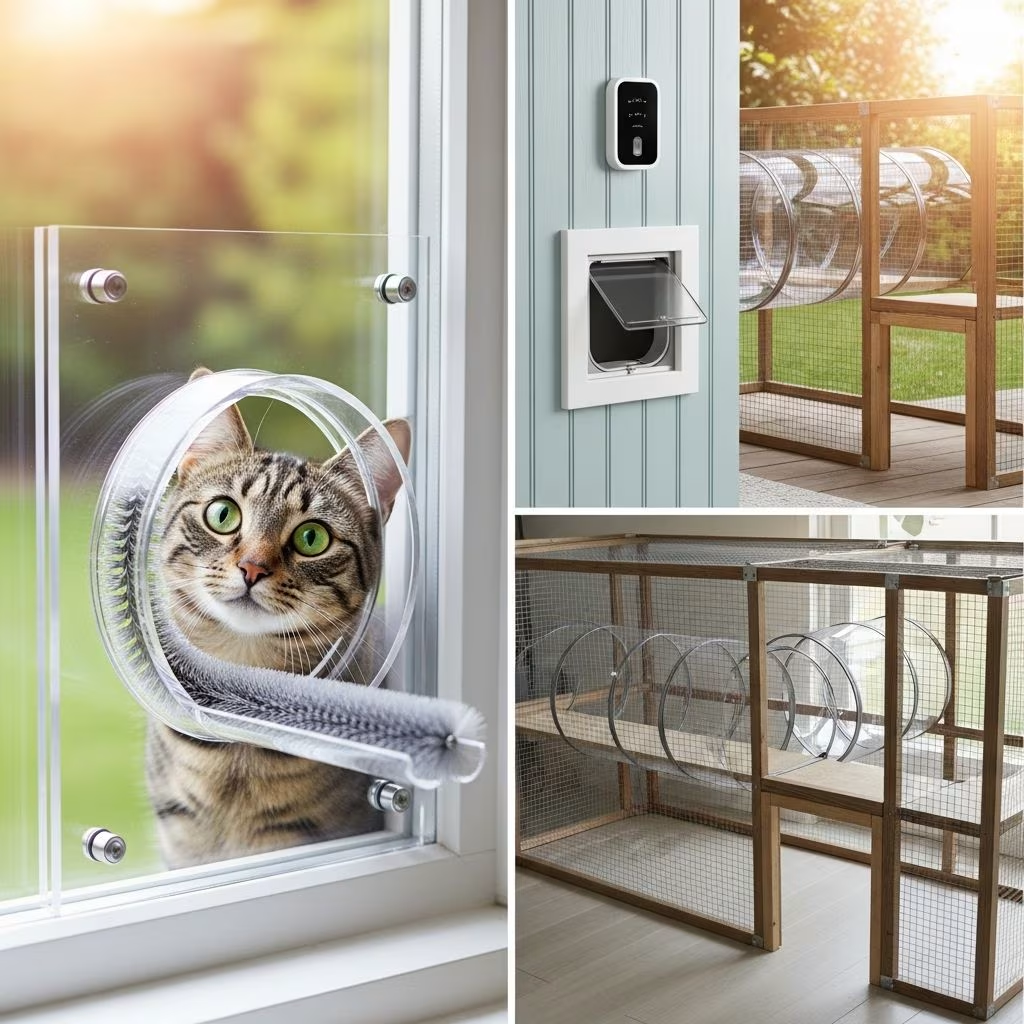
Providing your cat with safe outdoor access is essential for their well-being, as around **70% of domestic cats** in the UK enjoy an indoor/outdoor lifestyle. Organisations like Cats Protection and Battersea Dogs & Cats Home advocate for this hybrid living to support physical health and mental stimulation. However, traditional cat flaps come with challenges like neighbourhood cats intruding, security risks, and maintenance issues. This guide explores the best **cat flap alternatives**, from innovative microchip technology to smart app-controlled doors, helping you choose the perfect solution for your home and pet.
A Brief History of Cat Flaps
The concept of cat flaps dates back centuries. One of the world’s oldest known examples is the 400-year-old cat hole at **Exeter Cathedral**, cut by Bishop Cotton to allow his cat to hunt rats and mice. Historian Diane Walker notes this practical innovation protected valuable documents from rodents.
In the 19th century, scientist **Isambard Kingdom Brunel** reportedly created two holes in his door—one for his adult cat and a smaller one for the kitten—draping cloth over them to block light during photo-sensitive experiments. These early ‘cat holes’ evolved into flaps with added materials for privacy and draught protection.
By the mid-20th century, plastic inserts became standard, featuring locking mechanisms (entry only, exit only, or fully open). Yet, these allowed any average-sized cat to enter, leading to territorial disputes. A **2013 research project** by the Royal Veterinary College, University of Bristol, and University of Lincoln revealed many cats intrude into neighbouring homes undetected by owners.
Modern Cat Flap Evolution
Today’s cat access solutions have advanced significantly beyond basic plastic flaps. Here’s a breakdown of key developments:
- Magnetic Cat Flaps: Cats wear a collar-mounted magnet that unlocks the flap on approach. Simple and affordable, but prone to collar loss—leaving cats stranded—or attracting metal debris during outdoor adventures.
- Plastic Insert Flaps: Still popular for their low cost and adjustable modes (4-way lock: in/out only or both). Ideal for temporary control, like during house cleaning, but lack selectivity against stray cats.
- RFID Microchip Flaps: The revolutionary shift using radio frequency identification (RFID) to scan implanted microchips—no collar needed. Only registered cats gain access, preventing intruders.
Smart iterations now integrate with mobile apps for remote monitoring and control, transforming cat flaps into high-tech security devices.
Top Cat Flap Alternatives: Microchip and Smart Options
Microchip cat flaps represent the gold standard in **cat flap alternatives**, offering unmatched security and convenience. Unlike traditional flaps, they read your cat’s unique microchip ID (standard in the UK since 2014 for identification).
How Microchip Technology Works
RFID scanners in the flap frame detect the microchip’s signal when your cat approaches. You program multiple IDs (up to 32 in some models) via a button or app. No batteries in tags or collars—purely passive tech powered by the flap’s batteries or mains.
For collar-preferring owners, some brands offer attachable RFID tags as backups.
Key Benefits of Microchip Cat Flaps
- Enhanced Security: Blocks neighbourhood cats, foxes, and other animals from entering, reducing fights and food theft. Essential for maintaining your cat’s ‘core territory’ safety.
- Convenience: Cats come and go independently—no more door-holding or midnight meowing. App-enabled models track entries/exits, set curfews, and send notifications.
- Multi-Cat Households: Custom schedules per cat—lock out the night prowler while allowing the homebody free access.
- Peace of Mind: Remote locking from anywhere via smartphone. Perfect for holidays or vet visits.
- Veterinary Approved: Supports natural roaming recommended by welfare experts for obesity prevention and enrichment.
Popular Microchip Cat Flap Models
| Model | Key Features | Price Range (GBP) | Best For |
|---|---|---|---|
| SureFlap Microchip Cat Flap | RFID (up to 32 cats), 4-way lock, draught excluder | £80-£100 | Standard doors/windows |
| PetSafe Staywell Microchip | Collar tag option, easy install, timer lock | £70-£90 | Budget-conscious owners |
| Cat Mate Elite Microchip | App control, activity tracking, night mode | £120-£150 | Tech-savvy multi-cat homes |
| SureFlap Hub Connected | Bluetooth/WiFi app, unlimited virtual cats, geofencing | £180-£220 | Premium smart features |
Installation requires a suitable door, wall, or window (templates provided). Professional fitting costs £50-£100 for complex jobs.
Drawbacks and Considerations
No solution is perfect. Microchip flaps have limitations:
- Cost: £70+ upfront, plus potential app hubs (£50 extra).
- Installation: Needs landlord approval for rentals; not ideal for all door materials (e.g., uPVC requires specialist kits).
- Battery Life: 6-12 months; some models alert via app when low.
- Compatibility: Works with 15-digit ISO standard chips (99% UK cats); non-chipped cats need collar tags.
- Kittens/Puppies: Small pets may struggle until grown; manual override helps.
For non-homeowners, consider **window inserts** or **portable flaps** for sheds/garages as interim alternatives.
Other Cat Flap Alternatives
If microchip isn’t feasible, explore these:
- Manual Sliding Doors: Human-operated panels—secure but labour-intensive.
- Gravity Flaps: Weighted plastic for easy exit, hard entry—deters small intruders.
- Electronic Keypad Flaps: Collar keys or fobs, but loss-prone.
- Smart Pet Doors: Camera-equipped with AI recognition (e.g., PetSafe SmartDoor)—pricey at £300+.
Installation Tips for Success
- Measure your door thickness and cat size (tunnel length 10-15cm ideal).
- Use jigs/templates for clean cuts.
- Seal edges with silicone for weatherproofing.
- Test with treats to train your cat.
Post-install, monitor for stress—some cats need time to adapt to the ‘whoosh’ sound.
Frequently Asked Questions (FAQs)
Are microchip cat flaps suitable for all cats?
Yes, for chipped cats. Kittens under 4 months or unchipped pets use tag add-ons. Consult your vet for microchipping.
Can foxes get through microchip flaps?
No—the small size (typically 15x15cm) excludes foxes, rats, and most strays.
How do I program multiple cats?
Scan each microchip at the flap’s sensor; apps simplify for 5+ cats.
Do they work in cold UK winters?
Yes, with insulated tunnels and magnetic seals blocking draughts.
What’s the warranty on these flaps?
Usually 1-3 years; SureFlap offers lifetime flap guarantees on select models.
Choosing the Right Alternative for Your Cat
The best cat flap alternative balances your cat’s needs, home setup, and budget. For maximum security and tech, opt for **microchip smart flaps**. Budget options like magnetic or basic plastic suffice for low-risk areas. Always prioritise your cat’s welfare—outdoor access reduces obesity risks and boosts happiness, per veterinary guidelines.
With these innovations, gone are the days of unwanted guests and endless door duty. Give your cat the freedom they crave securely.
References
- Royal Veterinary College Cat Intrusion Study — Royal Veterinary College, University of Bristol, University of Lincoln. 2013. https://www.rvc.ac.uk/research/research-groups-and-centres/wildlife-health/bristolcats
- Cats Protection Outdoor Access Guidelines — Cats Protection. 2024. https://www.cats.org.uk/help-and-advice/home-and-environment/keeping-cats-indoors
- Battersea Cats & Outdoor Lifestyles — Battersea Dogs & Cats Home. 2023. https://www.battersea.org.uk/pet-advice/cat-advice/should-i-let-my-cat-out
- Exeter Cathedral Cat Hole History — Exeter Cathedral. 2022. https://exetercathedral.org.uk/news/exeter-cathedral-celebrates-400-year-old-cat-flap
- Microchipping Standards UK — DEFRA (Department for Environment, Food & Rural Affairs). 2024. https://www.gov.uk/control-cat-movement-pet-travel/microchipping



