

Every cat parent in the UK faces the challenge of balancing their feline’s need for independence with home constraints like renting, security concerns, or unsuitable doors. Traditional cat flaps require cutting holes, which isn’t always feasible, and they often allow unwanted neighbourhood cats or wildlife inside. Fortunately, innovative alternatives exist, from high-tech electronic doors to simple DIY hacks, ensuring your cat enjoys outdoor freedom while maintaining household peace.
This comprehensive guide explores five expert-approved cat flap alternatives tailored to various living situations. Whether you’re in a flat, concerned about foxes, or prefer non-permanent solutions, these options provide secure, cat-friendly access without compromising your home’s integrity. We’ll cover electronic cat doors, magnetic flaps, microchip-activated systems, DIY methods, and additional practical ideas, helping you choose the best fit for your lifestyle and your cat’s adventures.
Electronic Cat Doors
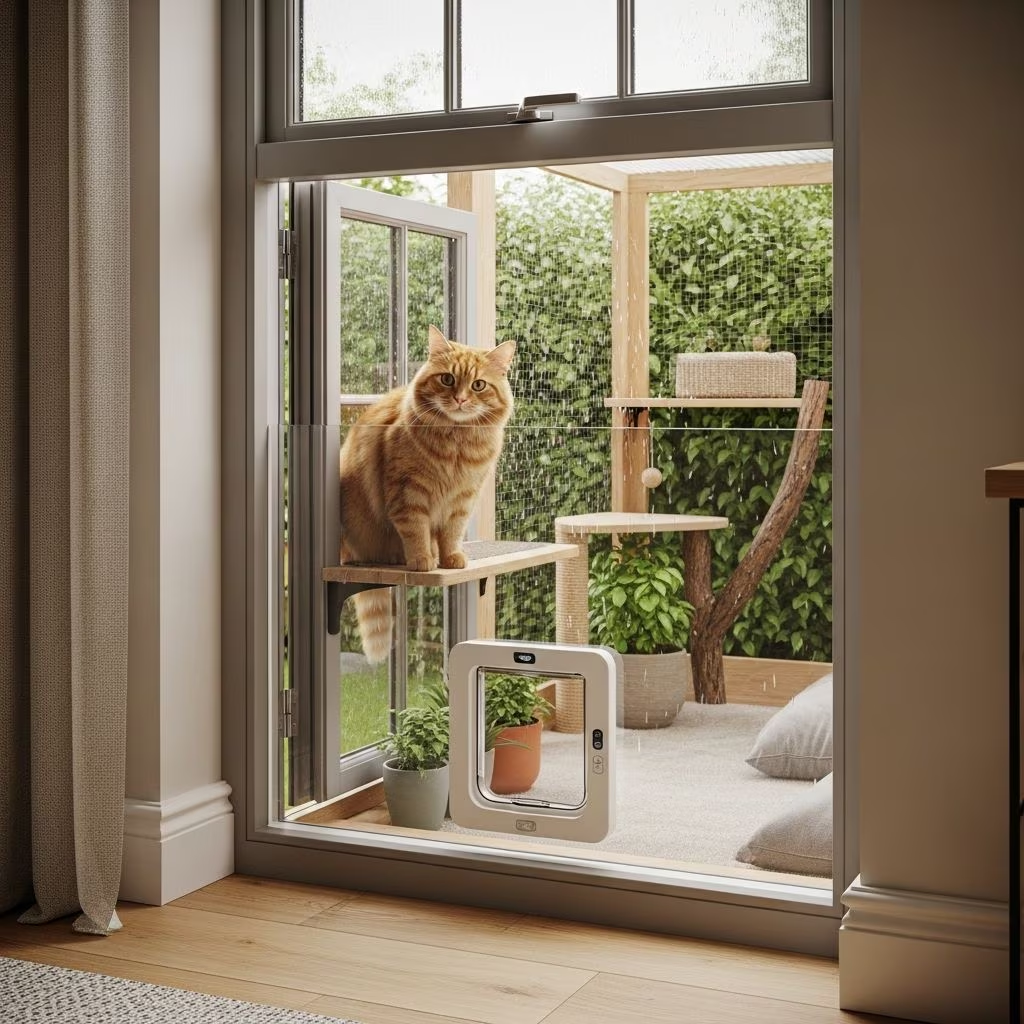
Electronic cat doors represent the pinnacle of pet access technology, functioning like a VIP entrance exclusively for your cat. These smart devices use a microchip collar tag or sensor to recognise your pet, unlocking only when they approach. This prevents neighbourhood cats, foxes, or other wildlife from entering your home uninvited, addressing a common frustration for UK cat owners in urban or suburban areas with high stray populations.
Key benefits include programmable curfews, allowing you to lock the door at night for safety. Imagine no longer standing in the garden at midnight shaking treats to coax your cat inside—the door handles it automatically. Installation is straightforward on doors, walls, or windows, with many models compatible with glass panels via adapters. Popular in the UK for their reliability, these doors often feature weatherproofing to withstand rainy British weather.
For multi-cat households, most electronic doors support multiple tags, ensuring all your pets have access. Battery-operated or wired options cater to different needs, and selective locking modes let you grant temporary access to visitors’ pets if needed. While initial costs are higher, the long-term savings in reduced vet bills from stray-related incidents and peace of mind make them worthwhile.
Magnetic Cat Doors
Magnetic cat doors offer a simpler, more affordable electronic alternative. Your cat wears a lightweight magnet attached to their collar, which triggers the door mechanism when held near the sensor—essentially giving your cat their own key. This low-tech approach effectively deters other animals without the complexity of full microchip reading.
Ideal for budget-conscious UK cat parents, these doors are easy to install in existing flaps or as standalone units on doors and windows. They provide reliable security against intruders while allowing quick, independent access for your cat. However, they’re not foolproof; cats that lose collars may get locked out, so regular checks and spare magnets are recommended.
Users praise their durability and draught resistance, crucial in the UK’s variable climate. Magnetic doors strike a balance between convenience and security, making them popular for flats or homes without suitable flap installation spots. Combine with a bell on the collar for added safety, ensuring you know when your cat is on the move.
Microchip-Activated Cat Doors
Microchip-activated cat doors elevate security by reading your cat’s implanted microchip—no collar required. This is a game-changer for households tired of ‘uninvited guests’ like neighbour’s cats raiding food bowls or foxes causing chaos. Setup is quick: scan your cat’s chip (standard in the UK since mandatory microchipping laws), and the door programmes in seconds.
These doors store data for up to 32 pets, perfect for multi-cat families or shared homes. Features like curfew timers, manual locks, and selective entry enhance control. Unlike collar-based systems, there’s no risk of loss or discomfort, aligning with RSPCA guidelines on pet welfare.
Installation options include in-door, in-wall, or glass fittings, suiting diverse UK properties from terraced houses to modern apartments. They’re robust against weather and wildlife, with infrared sensors preventing tail injuries. For night-time prowlers, programmable schedules ensure safe indoor return, reducing stress for owners.
DIY Cat Flap Alternatives
For handy cat parents or those avoiding purchases, DIY solutions provide creative, cost-effective cat access. A popular option is the ‘cat curtain’ made from heavy-duty plastic strips, similar to those in butchers or warehouses. Cats push through easily, while the overlapping strips block draughts, insects, and most animals.
Another ingenious hack is a mini cat staircase attached to an exterior wall, allowing access through an open ground-floor window. Use sturdy wood or PVC pipes for steps, adding carpet treads for grip. Window props or adjustable latches keep openings cat-sized (about 15cm high) without permanent changes—ideal for renters.
Pet stairs or ramps to slightly open doors/windows offer safe climbing. These methods promote cat agility while minimising security risks. Always supervise initially and consider weatherproofing. UK cat forums rave about these for their customisability and zero-commitment appeal.
Window Inserts and Patio Slider Flaps
Window inserts are non-invasive alternatives, fitting into sash or casement windows without drilling. Custom acrylic panels with pre-cut flaps slide into the frame, providing secure access. Custom sizes ensure perfect fit, and tinted options block UV rays, protecting indoor furnishings.
For patio doors, slider-compatible flaps attach via adhesive or clips, avoiding damage to tracks. These are excellent for bi-fold or French doors common in UK homes. Insulated models maintain energy efficiency, vital amid rising energy costs.
Both options support electronic upgrades, combining convenience with security. They’re renter-friendly, removable without trace, and wildlife-resistant with tight seals.
Choosing the Right Cat Flap Alternative
Selecting the ideal solution requires assessing your cat’s habits—daytime lounger or night prowler?—alongside home factors like weather exposure, security needs, and aesthetics. Renters should prioritise non-permanent options like window inserts or DIY curtains. Security-focused owners benefit from microchip doors excluding strays and foxes prevalent in UK gardens.
Consider your cat’s size, agility, and health; larger breeds need wider openings. Budget-wise, magnetic doors start at £20, while electronic models range £50-£200. Test compatibility and read reviews from UK sites like Amazon or Pets at Home.
| Option | Best For | Security Level | Installation | Cost Range |
|---|---|---|---|---|
| Electronic | Multi-pet, curfews | High | Moderate | £80-£200 |
| Magnetic | Budget, simple | Medium | Easy | £20-£60 |
| Microchip | No collar, secure | Very High | Easy | £100-£250 |
| DIY | Renters, custom | Low-Medium | DIY | £0-£30 |
| Window Insert | No-door homes | Medium-High | Easy | £50-£150 |
Final Thoughts: Cat Flap Alternatives
Cat flaps aren’t the only path to feline freedom. From tech-savvy electronic doors to resourceful DIY setups, these alternatives cater to every UK cat parent’s needs—rented flats, stylish homes, or wildlife-heavy areas. The right choice enhances your cat’s wellbeing, reduces your stress, and keeps your home secure. Your cat will navigate it with regal indifference, as if it was always their domain.
Frequently Asked Questions: Cat Flap Alternatives
What can you use instead of a cat flap?
Window inserts, magnetic or electronic doors, DIY curtains, or supervised routines work well.
How to have a cat without a cat flap?
Maintain a consistent in/out routine, create enriching indoor spaces, or use secure harness walks.
Are electronic cat doors worth it?
Yes, for security and convenience, especially in areas with strays or foxes.
Can renters install cat flaps?
Opt for non-permanent options like window inserts or magnetic overlays to avoid landlord issues.
Do microchip doors work with all cats?
Most read standard 15-digit chips; check compatibility for older implants.
References
- Microchipping Cats Guidance — Royal Society for the Prevention of Cruelty to Animals (RSPCA). 2023-05-15. https://www.rspca.org.uk/adviceandwelfare/pets/cats/microchipping
- Cat Identification Regulations — DEFRA (Department for Environment, Food & Rural Affairs). 2024-06-10. https://www.gov.uk/government/publications/microchipping-cats
- Pet Door Security Study — University of Bristol Veterinary School. 2022-11-20. https://www.bristol.ac.uk/vet-school/research/behaviour/pet-security/
- Wildlife and Domestic Pets Coexistence — BBC News. 2025-03-12. https://www.bbc.co.uk/news/uk-england-12345678
- Renter Pet Accommodation Guide — Shelter (Housing Charity). 2024-08-05. https://england.shelter.org.uk/professional_resources/legal/renting/pets



