

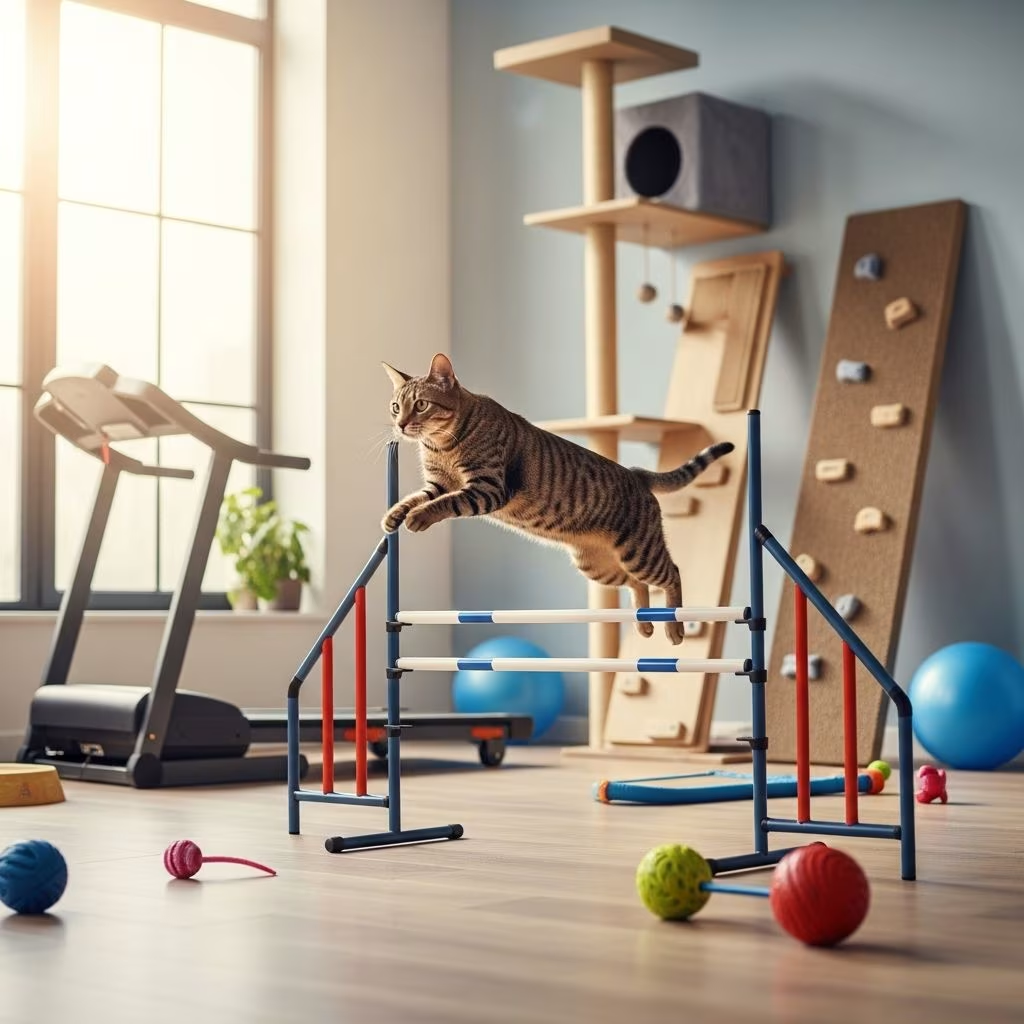
Keeping your cat physically active is crucial for preventing obesity, strengthening muscles, and enhancing mental sharpness. Regular exercise mimics their natural hunting behaviors, ensuring a balanced lifestyle full of energy and joy.
The Vital Role of Exercise in Feline Health
Physical activity forms the cornerstone of a cat’s well-being, addressing both body and mind. Cats, as innate predators, thrive on movement that burns calories, tones muscles, and wards off conditions like diabetes and arthritis. Without sufficient play, indoor cats risk weight gain, leading to joint strain and reduced mobility.
Exercise also delivers mental benefits by curbing boredom-induced stress and destructive habits. Engaging in play sessions stimulates cognitive function, fostering alertness and emotional stability. Veterinary experts emphasize that consistent activity improves heart and lung function while building resilience against age-related decline.
Daily Exercise Requirements for Cats
Adult cats generally require 20-30 minutes of moderate activity daily, spread across short bursts to match their energy patterns. Kittens and high-energy breeds like Bengals or Abyssinians may need up to an hour, while seniors benefit from gentler routines.
| Cat Life Stage | Recommended Daily Exercise | Example Activities |
|---|---|---|
| Kitten | 45-60 minutes | Chasing toys, climbing |
| Adult | 20-30 minutes | Interactive play, sprinting |
| Senior | 10-20 minutes (gentle) | Slow walks, puzzle feeders |
Adjust based on health; consult a vet for personalized plans, especially for overweight or older cats.
Indoor Fitness Routines: Fun and Effective Options
Indoor environments offer ample opportunities for cat workouts without venturing outside. Focus on toys that trigger chasing instincts, such as feather wands or balls, to promote aerobic endurance.
- Interactive Toys: Laser pointers and motorized mice encourage prolonged pursuit, elevating heart rates.
- Climbing Structures: Multi-level trees and wall shelves build strength through vertical exploration.
- Exercise Wheels: Ideal for nocturnal activity, allowing self-directed running sessions.
For anaerobic bursts, set up sprint courses in hallways or use treat-dispensing toys to prompt quick dashes. Puzzle feeders integrate mealtime with movement, turning eating into a cognitive and physical challenge.
Advanced Play Techniques for Peak Fitness
Elevate routines with structured games that target specific muscle groups. Feather teasers simulate prey, prompting leaps and pounces that enhance agility.
Scratching posts with varied textures strengthen shoulders and back as cats dig in. Combine with perch-jumping drills to improve balance and coordination.
- Daily 10-minute sessions of wand play for cardio.
- Obstacle courses using boxes and tunnels for agility training.
- Hide-and-seek with treats to sharpen hunting skills.
These methods not only torch calories but also fortify bones and joints, vital for long-term mobility.
Outdoor Adventures: Safe Ways to Boost Activity
Harness training enables leashed walks, exposing cats to new stimuli while burning energy safely. Catios or enclosed patios provide secure outdoor play spaces for climbing and lounging.
Swimming, surprisingly, suits some cats and offers low-impact exercise for overweight felines, easing joint pressure. Always introduce gradually with positive reinforcement.
Adapting Workouts for Special Needs
Kittens and Young Cats
High-energy youth demands vigorous play to channel zoomies into productive outlets. Rotate toys to maintain interest and support growth.
Senior Cats
Gentle activities like slow chasing or leash strolls preserve muscle without overexertion. Monitor for fatigue and prioritize joint-friendly options.
Overweight Cats
Start slow with food-motivated games to shed pounds gradually. Vertical spaces reduce impact while increasing calorie burn.
Integrating Fitness into Your Routine
Sync cat play with your workouts for mutual benefits. Hold your cat during squats or planks for added resistance, or practice yoga together. Evening sessions align with their crepuscular nature, maximizing engagement.
Track progress via weight checks and energy levels. Combine with balanced nutrition for holistic health.
Frequently Asked Questions
How much exercise does an indoor cat really need?
Indoor cats need at least 30 minutes daily, ideally in 5-15 minute bursts to mimic natural activity patterns.
Can exercise help my obese cat lose weight?
Yes, targeted play burns calories and builds muscle, aiding weight management when paired with diet.
What if my cat ignores toys?
Rotate items, add catnip, or use motion-activated toys to spark interest. Patience and consistency pay off.
Is a cat wheel worth it?
For active breeds, yes—it provides endless cardio without your constant involvement.
How do I start outdoor training?
Use a fitted harness, short initial sessions, and high-value treats to build comfort gradually.
Monitoring Progress and Long-Term Success
Observe improvements in coat shine, play enthusiasm, and litter box habits as signs of success. Annual vet visits ensure routines align with health status.
By committing to these strategies, you’ll foster a vibrant, healthy companion for years to come.
References
- How Much Exercise Does a Cat Need? — Darwin’s Pet. 2023. https://www.darwinspet.com/blogs/pet-behavior/how-much-exercise-does-a-cat-need
- How to Exercise with Your Cat and Get Fit — Vetster. 2024. https://vetster.com/en/wellness/how-to-exercise-with-your-cat-and-get-fit
- Cat Exercise: Keeping Your Kitty in Good Shape — Capeside Animal Hospital. 2023. https://capesideanimalhospital.com/cat-exercise-keeping-your-kitty-in-good-shape/
- Understanding The Importance of Exercise for Cats — Blaine Central Veterinary Clinic. 2024. https://blainecentralveterinaryclinic.com/understanding-the-importance-of-exercise-for-cats/
- Cat Exercises – 5 Cat Workouts and Fitness Tips — Purina. 2023. https://www.purina.com/articles/cat/behavior/play/5-tips-for-cat-fitness
- What Are the Benefits of Daily Exercise for Pets? — Wilderness Vet. 2024. https://wildernessvet.com/what-are-the-benefits-of-daily-exercise-for-pets/



