

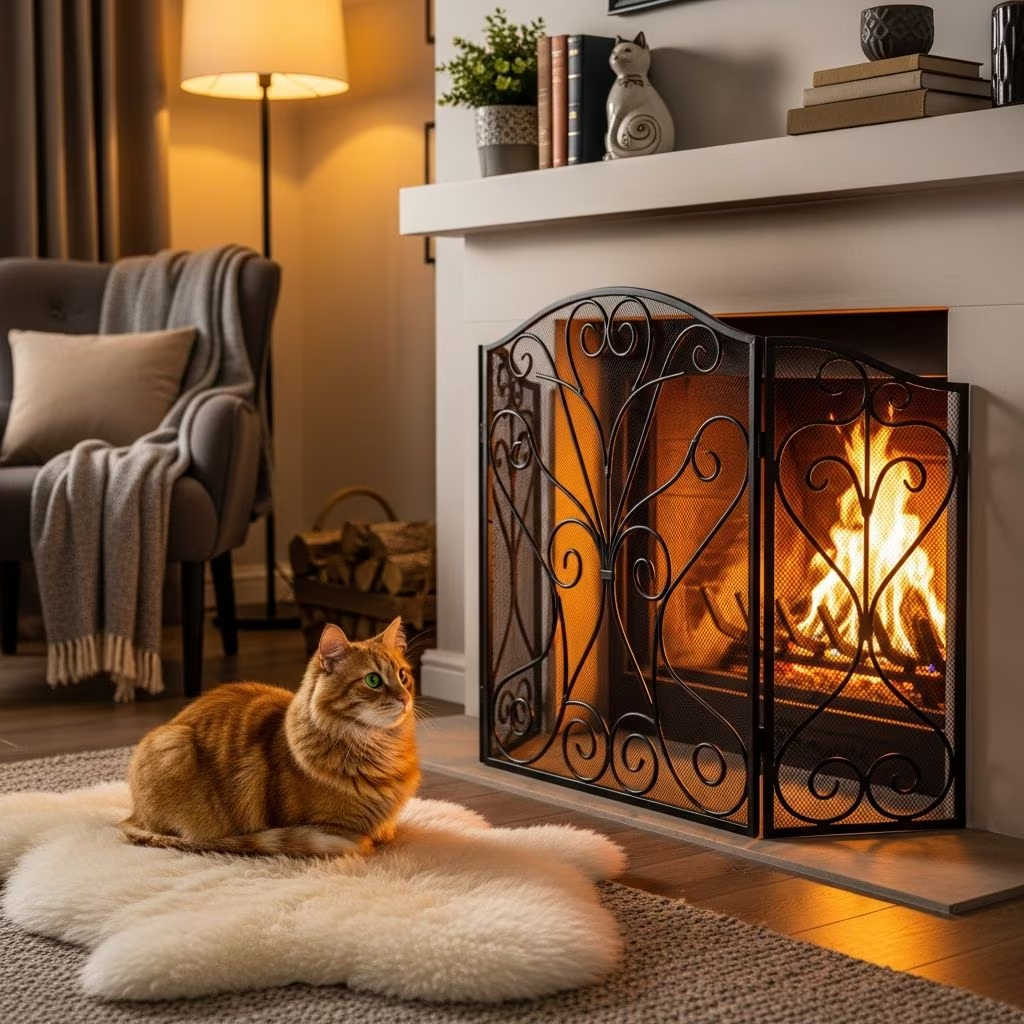
Fireplaces create an inviting focal point in many homes, offering warmth and ambiance during cold months. However, for cat owners, these cozy features present significant safety challenges. Cats are naturally drawn to the warmth and flickering flames, often without understanding the associated dangers. Their curiosity, combined with their independent nature, can lead to serious injuries including burns, singed fur, and respiratory complications. This guide provides cat owners with practical strategies to maintain a secure environment while still enjoying their fireplaces.
Understanding Why Cats Are Attracted to Fireplaces
Cats seek warmth and comfort, and fireplaces offer both in abundance. The heat radiating from an active fire appeals to their natural instinct to find warm resting spots. Additionally, the movement of flames captures their attention, triggering their hunting instincts. This combination of thermal comfort and visual stimulation makes fireplaces irresistible to many cats, regardless of their age or temperament.
The danger escalates when cats attempt to get close enough to feel maximum warmth. Their fur can easily catch fire or become singed, and their sensitive paw pads and facial areas can suffer burns. Embers that escape the fireplace can land on their fur or skin, causing immediate injury. Furthermore, cats may inadvertently knock over fireplace tools or decorations while exploring, creating additional hazards.
Establishing Behavioral Boundaries Through Training
Training represents one of the most effective long-term safety strategies. Cats don’t instinctively understand that fireplaces are dangerous; they must be taught through consistent reinforcement. Begin training when your cat is young if possible, though older cats can also learn new boundaries with patience and persistence.
Start by establishing a clear “off-limits” zone around the fireplace. Use consistent verbal cues combined with gentle redirection whenever your cat approaches the restricted area. Reward desired behavior with treats or praise when your cat respects the boundary. Water-based deterrents can discourage unwanted approaches, though this method works better for some cats than others.
For cats that seem particularly drawn to the fireplace, consider providing an alternative warm spot nearby but at a safe distance. A heated cat bed placed 8-10 feet away satisfies their desire for warmth while keeping them safely away from the fire. This positive reinforcement approach often proves more effective than punishment-based methods.
Implementing Physical Barriers and Containment Solutions
While training is important, physical barriers provide essential protection, especially when supervision isn’t possible. Multiple barrier options exist, each with distinct advantages and limitations.
Fireplace Screens and Protective Glass
Modern fireplace screens serve as the primary physical defense against direct contact with flames and embers. Metal screens made from wrought iron, brass, or copper create an effective barrier while allowing heat distribution throughout the room. Glass enclosures offer superior protection by completely sealing the fireplace opening, preventing any sparks or embers from escaping into the surrounding space.
When selecting a screen, ensure it fits securely against the fireplace opening with no gaps that a curious cat could exploit. The screen should be sturdy enough to withstand accidental contact without tipping over. Regularly inspect screens for damage or deterioration that might compromise their effectiveness.
Pet Gates and Boundary Configurations
Pet gates designed to restrict access to specific rooms or areas can create a protective perimeter around the fireplace. Positioning a gate 3-5 feet away from the fire source provides a safety buffer while maintaining room accessibility. Some owners configure multiple gates to create a contained zone.
However, cat owners should recognize that determined felines can often jump over standard pet gates, particularly younger or more athletic cats. Gates work best when combined with other safety measures rather than used as standalone solutions. Additionally, gates themselves should be positioned far enough from the flames that they won’t become fire hazards if the fire spreads.
Managing the Fireplace Environment
Organizing Fireplace Accessories Safely
Fireplace tools including pokers, tongs, and brushes pose multiple dangers to cats. These metal implements can reach extremely high temperatures during use and remain hot long after the fire dies down. A cat rubbing against hot tools or accidentally knocking them over could sustain serious burns or injuries.
Invest in a sturdy, stable tool stand that securely holds all implements and won’t tip if a cat brushes against it. Position the stand away from the main fireplace area if possible. Store fireplace accessories like matches, starter chips, and lighter fluid in secure drawers or cabinets that your cat cannot access. These materials are potentially toxic if ingested.
Decorative Elements and Fire Hazards
Mantles and hearths often display decorative items that pose dual risks: they may be flammable, and cats may knock them over or attempt to investigate them. Holiday decorations including tinsel, garland, and lights are particularly dangerous around fireplaces due to their high flammability and the cat’s tendency to play with dangling materials.
Maintain a clear hearth by removing or storing decorative items during fireplace season. If you must display items on your mantle, choose non-flammable options and secure them so they cannot be easily displaced. Keep all decorations at least 3 feet away from the fireplace opening.
Managing Fireplace Surroundings
The space immediately surrounding your fireplace should remain clear of potential fire hazards. Pet beds, blankets, rugs, and toys are all highly flammable and should be kept at a safe distance. This applies year-round, even during months when you don’t use the fireplace, so your cat doesn’t develop a habit of settling in this area.
Establish clear boundaries by maintaining an empty zone around the fireplace. This not only reduces fire risk but also eliminates temptation for your cat to settle in an unsafe location.
Restricting Playtime and Activity Near the Fireplace
Playful behavior near fireplaces creates numerous safety concerns. When cats chase toys with excitement, they may inadvertently run too close to the fire or knock objects into the flames. Wand toys and balls that move quickly can easily be batted toward the fireplace during an enthusiastic play session.
Establish a firm household rule that interactive play only occurs in areas away from the fireplace. If your home layout requires play in the fireplace room, ensure constant adult supervision and maintain adequate distance from the heat source. This prevents accidents during moments when your cat’s excitement overrides their training.
Addressing Smoke and Air Quality Concerns
Beyond physical burns, smoke from wood-burning fireplaces and stoves presents respiratory hazards. Wood smoke contains harmful gases and fine particulate matter that can trigger or worsen respiratory conditions in both humans and cats. Cats with pre-existing respiratory issues like feline asthma face particular risk, as even minimal smoke exposure can exacerbate their symptoms and lead to serious complications.
Ensure your fireplace damper opens fully to direct smoke up the chimney rather than into your home. Consider having your chimney professionally inspected and cleaned annually to maintain proper ventilation. If your cat suffers from respiratory conditions, the safest approach is avoiding fireplace use altogether.
Monitor your cat for signs of respiratory distress including coughing, wheezing, or difficulty breathing during or after fireplace use. If your cat shows these symptoms, stop using the fireplace and consult your veterinarian.
Installing Critical Safety Equipment
Smoke and Carbon Monoxide Detection
Smoke detectors and carbon monoxide (CO) detectors are non-negotiable safety equipment for any home with a fireplace. Carbon monoxide, an odorless and colorless gas produced by incomplete combustion, poses a life-threatening risk to all household members including cats. High CO concentrations can cause death within minutes.
Install hardwired smoke and CO detectors on every level of your home, particularly near bedrooms where family members and pets sleep. Test detectors monthly and replace batteries twice yearly. Never skip this critical step before using your fireplace.
Fire Extinguishers and Emergency Preparedness
Keep a fire extinguisher in an easily accessible location near your fireplace. Learn how to use it properly before an emergency occurs. Have your extinguisher inspected regularly and replace it according to manufacturer recommendations. Additionally, develop an emergency evacuation plan that accounts for safely removing all family members including cats.
Providing Safe Alternatives for Warmth
Offering alternative sources of warmth and comfort reduces your cat’s motivation to approach the fireplace. Heated pet beds placed 8-10 feet away from the fireplace provide cozy resting spots without the associated dangers. Heated pads designed specifically for cats offer adjustable temperature settings and automatic shutoff features for safety.
Place these alternatives in locations with good sightlines to common areas, making them attractive resting spots. Your cat may prefer the convenience and safety of a designated warm bed over seeking warmth from the fireplace.
Special Considerations for Different Cat Ages and Temperaments
Young, active kittens require more intensive supervision and physical barriers than older, calmer cats. Kittens’ natural curiosity and energy make them more likely to approach fireplaces despite training efforts. Implement the most restrictive safety measures for young cats and gradually relax them as the cat matures and demonstrates reliable boundary respect.
Elderly or less mobile cats may pose different challenges. While they may not jump over barriers easily, their reduced mobility can make escape difficult if they accidentally get too close to the fire. Ensure multiple exit routes from any gated area and check on senior cats more frequently.
Some cats are naturally more cautious and may avoid fireplaces with minimal intervention, while others remain persistently curious. Tailor your safety approach to your individual cat’s personality and behavior patterns.
Seasonal Fireplace Use and Year-Round Safety
Many homeowners use fireplaces primarily during cold months, potentially leading to reduced vigilance during off-season. However, maintaining consistent safety practices year-round prevents cats from developing habits of approaching the fireplace. Keep barriers in place, maintain clear surroundings, and continue reinforcing boundaries even when you’re not using the fireplace.
Before each heating season, inspect your fireplace, chimney, and safety equipment. Clean or replace furnace filters, have the chimney professionally inspected, and test all smoke and CO detectors. This preparation ensures your fireplace operates safely throughout the season.
Frequently Asked Questions
Can cats be trained to completely avoid fireplaces?
While training significantly reduces fireplace-related incidents, cats retain their curiosity and may occasionally test boundaries. Consistent training combined with physical barriers provides the most reliable protection.
Are all fireplace screens equally effective for cat safety?
Quality varies significantly among screens. Metal mesh screens offer adequate protection from embers but don’t prevent direct contact with the screen’s surface if it’s hot. Solid glass enclosures provide superior protection by completely sealing the fireplace.
What should I do if my cat gets burned by the fireplace?
Seek immediate veterinary attention. Cool the affected area with cool (not cold) water for 5-10 minutes, then cover with a clean cloth. Transport your cat to the veterinarian right away, as burns can deteriorate rapidly.
Can indoor cats handle smoke from fireplaces?
Indoor cats have no tolerance for smoke due to their adapted respiratory systems. Even healthy cats experience irritation from fireplace smoke. Cats with respiratory conditions face serious health risks.
Is it safe to leave my cat unsupervised around an active fireplace?
No. Even well-trained cats should never be left unsupervised near an active fireplace. Unexpected behavior or emergencies can occur in seconds.
References
- Cat Fireplace Safety: 15 Vet-Reviewed Tips to Keep Your Kitty Safe — Catster. Accessed January 2026. https://www.catster.com/lifestyle/cat-fireplace-safety/
- Pet Fire Safety — American Red Cross. https://www.redcross.org/get-help/how-to-prepare-for-emergencies/types-of-emergencies/fire/pet-fire-safety.html
- How to Keep Pets Safe Around Space Heaters and Fireplaces — K&H Pet Products. https://khpet.com/blogs/all-pets/how-to-keep-pets-safe-around-space-heaters-and-fireplaces
- Pet Fireplace Safety: The Ultimate Guide to Pet-Proofing Your Home — Imagin Fires. https://www.imaginfires.co.uk/blogs/news/pet-fireplace-safety-ultimate-guide
- Keep Your Pets Safe From the Fireplace — AKC Pet Insurance. https://www.akcpetinsurance.com/blog/how-to-keep-your-fireplace-safe-for-your-pets



