
Cat Fight Abscesses: Guide to Detection and Care
Learn to spot, treat, and prevent painful abscesses from cat fights to keep your feline safe and healthy.
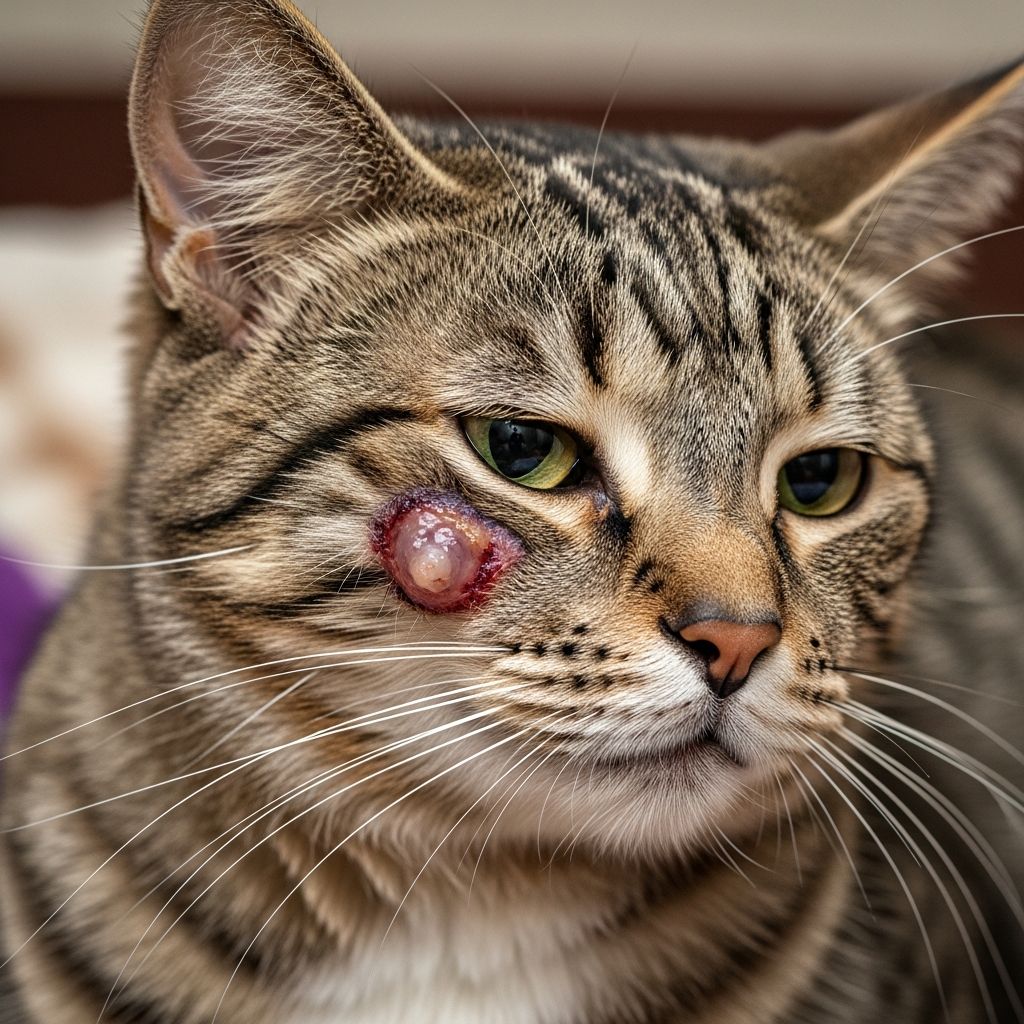
Cat fight abscesses represent a frequent yet serious health concern for feline companions, often stemming from territorial disputes that result in deep puncture wounds. These injuries quickly trap bacteria under the skin, leading to painful swellings filled with pus. Understanding the progression, prompt intervention, and aftercare can significantly improve outcomes and prevent recurrence.
Understanding the Roots of Feline Fight Injuries
Cats, particularly unneutered males, engage in fights to establish dominance or defend territory. During these encounters, their long canine teeth create narrow punctures that seal rapidly due to the elastic nature of feline skin. Bacteria from the opponent’s mouth enter these wounds, proliferating in the oxygen-poor environment beneath the surface.
This process typically unfolds over 2-3 days, transforming a seemingly minor bite into a throbbing abscess. Outdoor cats face heightened risks, especially at night when encounters peak. Recognizing this mechanism is crucial for timely action.
Key Indicators of an Emerging Abscess
Early detection hinges on observing subtle changes before the abscess fully matures. Common signs include:
- A localized lump that feels warm and firm to the touch.
- Loss of appetite or reluctance to eat due to discomfort.
- Limping or favoring the affected limb if the injury is on a leg.
- Excessive grooming or licking at the site.
- Fever, indicated by lethargy, dehydration, or hiding behavior.
As the abscess advances, the overlying skin may thin, rupture spontaneously, and release foul-smelling discharge. Swelling often peaks around the face, paws, tail base, or flanks—prime targets in cat skirmishes.
Immediate Steps for Suspected Bite Wounds
If you witness a fight or notice fresh punctures, act swiftly. Within the first 24 hours, veterinary-prescribed antibiotics can halt bacterial spread and avert abscess formation. Avoid home remedies like squeezing the wound, as this disperses infection deeper into tissues.
Monitor closely for 48 hours post-incident. Clean superficial scratches with saline, but deep bites demand professional evaluation to assess for underlying damage.
Professional Treatment Protocols
Veterinary care forms the cornerstone of effective management. Most cases necessitate sedation or general anesthesia for thorough intervention. Procedures include:
- Shaving and disinfecting the area.
- Lancing to release pus and flushing with sterile solutions.
- Probing to break up internal pockets and remove necrotic tissue.
- Possible drain placement for ongoing drainage.
Antibiotics target common pathogens like Pasteurella and anaerobes, with options such as Clavamox or injectable Convenia for pill-averse cats. Pain relief via medications like Onsior ensures comfort, while an Elizabethan collar prevents self-trauma.
| Treatment Aspect | Details | Duration |
|---|---|---|
| Drainage | Surgical lancing and flushing | Single procedure |
| Antibiotics | Oral or injectable | 7-14 days |
| Pain Management | Anti-inflammatories | 3-5 days |
| Wound Care | Compresses, drains | Until healed |
Navigating the Healing Timeline
Recovery follows distinct phases, each requiring vigilant oversight.
- Inflammation: Initial swelling and heat as the immune system responds.
- Drainage: Pus expulsion, either vet-induced or natural rupture.
- Granulation: Pink tissue formation and wound contraction.
- Remodeling: Scar maturation and fur regrowth, spanning weeks.
Full resolution typically spans 1-3 weeks, contingent on abscess size and cat compliance. Persistent drainage beyond a week warrants recheck.
Home Care Essentials During Recovery
Post-discharge, your role is pivotal. Key practices include:
- Administering medications precisely as directed—never shorten antibiotic courses.
- Applying warm compresses (10 minutes, twice daily) to encourage drainage.
- Confining the cat to prevent jumping or fights.
- Monitoring for complications like renewed swelling or lethargy.
- Ensuring hydration and nutrition to bolster healing.
Avoid topical human products; consult your vet for cat-safe antiseptics. Probiotics may restore gut balance after antibiotics.
Complications and When to Return to the Vet
While most cats recover uneventfully, watch for red flags:
- Fever persisting beyond 48 hours.
- Spread of redness suggesting cellulitis.
- Refusal to eat for over 24 hours.
- Drainage turning bloody or excessively foul.
Fight-related injuries also pose risks for FIV or FeLV transmission. Vaccinate against these and test if unvaccinated, ideally 6-8 weeks post-bite. Tooth root abscesses, mimicking fight wounds, require dental extraction.
Proven Strategies to Minimize Risks
Prevention trumps treatment. Core measures encompass:
- Desexing: Reduces aggression by 90% in males.
- Indoor Nights: Limits nocturnal roamings when fights surge.
- Daily Inspections: Check for wounds, especially on multi-cat households.
- FIV/FeLV Vaccination: Shields against viral co-infections.
- Neuter Rivals: Collaborate with neighbors for community desexing.
Enrich indoor environments with toys and perches to curb boredom-driven escapes.
Frequently Asked Questions
Can cat abscesses resolve without vet care?
Rarely; untreated abscesses risk chronic infection or sepsis. Professional drainage is standard.
How long until a cat fight bite forms an abscess?
Usually 1-3 days, though antibiotics early can prevent it.
Is it safe to pop an abscess at home?
No—risks worsening infection. Seek veterinary help immediately.
What if my indoor cat develops an abscess?
Possible from hidden outdoor ventures or inter-cat aggression. Evaluate household dynamics.
Do all fight wounds need surgery?
Not always; small ones may respond to antibiotics alone if caught early.
Long-Term Feline Health Considerations
Beyond acute care, recurrent abscesses signal deeper issues like intact status or FIV status. Annual wellness exams, core vaccinations, and parasite control fortify resilience. By integrating prevention into routines, cat owners can foster safer, healthier lives for their pets.
References
- Fighting – wounds and infections – the fighting spirit — Vetwest. Accessed 2026. https://www.vetwest.com.au/pet-library/fighting-wounds-and-infections-the-fighting-spirit/
- Cat Abscesses: Causes, Symptoms & How To Treat Them — UrgentVet. Accessed 2026. https://urgentvet.com/cat-abscess-causes-types-symptoms-treatment/
- Cat Abscesses: What Are They, and How Do You Treat Them — PetMD. Accessed 2026. https://www.petmd.com/cat/conditions/skin/cat-abscesses-what-are-they-and-how-do-you-treat-them
- Abscesses in Cats — VCA Animal Hospitals. Accessed 2026. https://vcahospitals.com/know-your-pet/abscesses-in-cats
- Abcess, Feline — Healthy Paws Animal Hospital. Accessed 2026. https://healthypawsanimalhospital.com/abcess-feline/
- Treating a Cat Abscess: Emergency Steps to Protect Your Pet — GSVS. Accessed 2026. https://gsvs.org/blog/cat-abscess-emergency-care/
Similar Articles








Read full bio of medha deb




