
Cat Feeding Guide: Amounts and Schedules
Discover optimal feeding amounts, frequencies, and nutritional needs for cats at every life stage to ensure health and vitality.
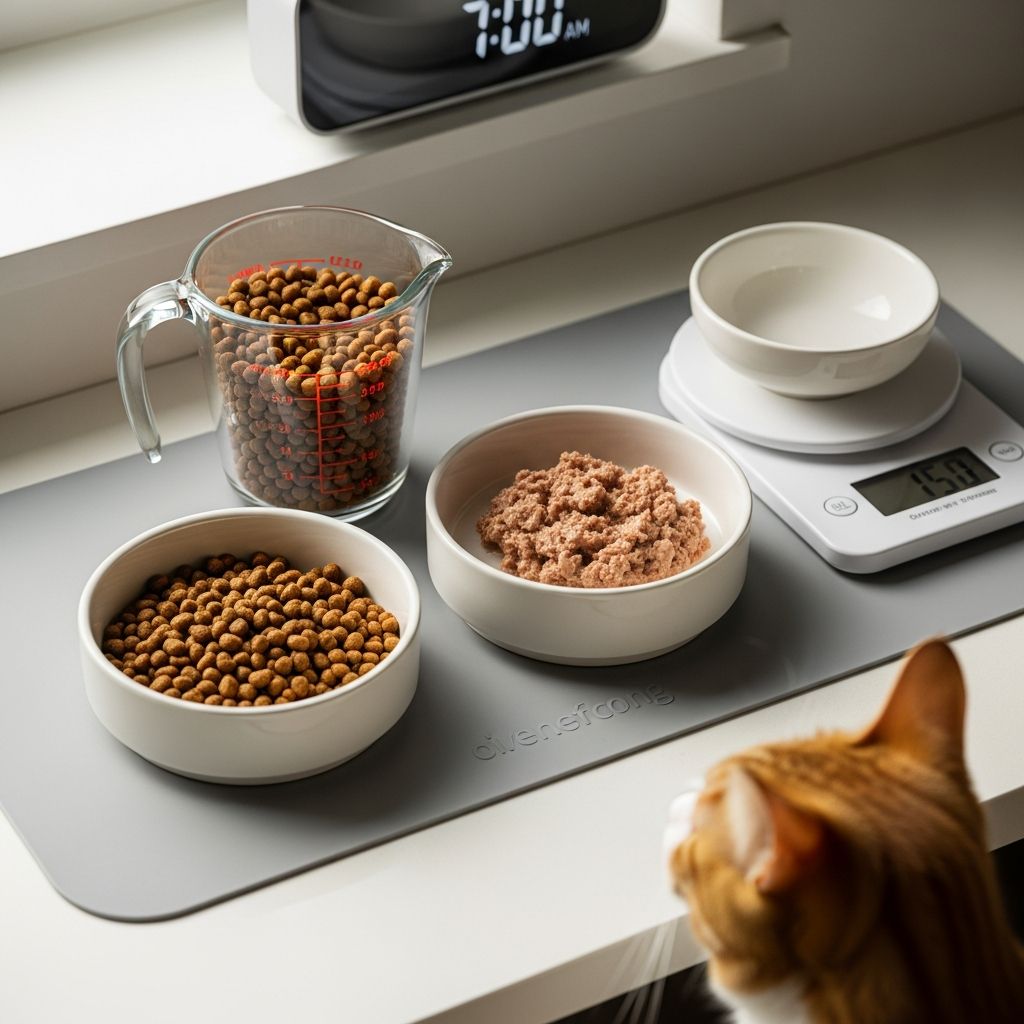
Proper nutrition forms the foundation of a cat’s health, influencing everything from energy levels to longevity. Understanding the right quantities and timing for meals helps prevent obesity, malnutrition, and related issues. This guide explores key principles for feeding cats, drawing on veterinary recommendations for balanced diets tailored to life stages, activity, and food types.
Essential Nutrients for Feline Health
Cats are obligate carnivores, meaning their bodies require nutrients primarily from animal sources. High-quality proteins supply critical amino acids like taurine, arginine, and others that cats cannot produce sufficiently on their own. These building blocks support heart function, vision, reproduction, and muscle maintenance.
Fats provide concentrated energy and aid in absorbing fat-soluble vitamins. Carbohydrates, while not essential, appear in many commercial foods but should not dominate, as cats digest them poorly. Vitamins, minerals, and fatty acids complete the profile, ensuring overall vitality. Commercial cat foods formulated to meet these standards offer the safest option over homemade diets, which often lack balance.
- Protein: Minimum 5.2 grams per kilogram of body weight daily for adults, emphasizing meat-based sources.
- Taurine: Vital for cardiac and ocular health, exclusively from animal proteins.
- Fats and Acids: Support skin, coat, and energy needs.
Always provide fresh water, as hydration complements nutrition, especially with dry foods.
Determining Daily Caloric Needs
Caloric intake varies by weight, activity, and life stage. A baseline for adults uses resting energy requirements adjusted for lifestyle. For a 10-pound cat, needs range from 200 calories for sedentary indoors to 300 for active outdoors.
| Cat Profile | Calories per Pound | Example (10 lb Cat) |
|---|---|---|
| Indoor/Sedentary | 20 kcal/lb | 200 kcal/day |
| Active/Outdoor | 30 kcal/lb | 300 kcal/day |
| Kitten (under 4 months) | 50-60 kcal/lb | 500-600 kcal/day |
| Senior/Less Active | 15-20 kcal/lb | 150-200 kcal/day |
Check food packaging for energy density—dry foods often pack 300-500 kcal per cup, while wet varieties are lower per ounce. Adjust portions accordingly to avoid overfeeding.
Food Types and Portion Guidelines
Dry Kibble Options
Dry food suits convenience and dental health via chewing action. An average 8-12 pound adult needs ½ to ⅔ cup daily, split into meals. Nutrient-dense formulas may require less volume.
Wet Food Choices
Wet food boosts moisture intake, crucial for urinary health in low-drinking cats. For a 10-pound cat, aim for 3-4 cans (5.5 oz each) daily or 7-11 oz total, depending on texture like pâté or shreds.
Mixed Feeding Strategies
Combining types balances benefits: wet for hydration, dry for practicality. Example: 1-2 wet cans plus measured dry kibble. This approach mimics natural grazing while controlling calories.
Raw or freeze-dried options demand ¾ to 1¼ cups for adults, with slow transitions to prevent digestive upset.
Feeding Schedules by Life Stage
Newborn to Weaning Kittens
Weaning kittens (4-8 weeks) need frequent, small meals of kitten formula. Free-choice dry kitten food works if monitored, but measure to support growth without excess.
Growing Kittens (2-12 Months)
From 2-4 months, feed 3-4 times daily with growth-formulated food rich in proteins and calories. Reduce to twice daily by 6 months, continuing until 9-12 months.
Adult Maintenance (1-7 Years)
Adults thrive on twice-daily meals, 8-12 hours apart, using portion control. Graze-prone cats may prefer multiple small servings, up to 12-20 daily with dry food.
- Avoid free-feeding wet food due to spoilage.
- Monitor weight; adjust for activity—+20-40% for playful cats, -10% for couch dwellers.
Senior Cats (7+ Years)
Older cats often need senior formulas with joint support and controlled calories (15-20 kcal/lb). Feed twice daily, watching for reduced appetite or dental issues favoring wet food.
Portion Control and Weight Management
Obesity affects many indoor cats; use body condition scoring—ribs palpable without excess fat. Start with label guidelines, then tweak based on weekly weigh-ins. Tools like microchip feeders aid multi-pet homes.
Factors influencing portions:
- Neutered Status: Reduces needs by 20-30%.
- Health Conditions: Diabetes or allergies may require vet-prescribed diets.
- Pregnancy/Lactation: Increase by 50-100% or more.
Common Feeding Mistakes to Avoid
Over-reliance on treats (limit to 10% calories), ignoring labels, or abrupt changes lead to issues. Transition foods over 7-10 days. Human foods like onions or dairy harm cats.
Special Diets and Veterinary Input
For allergies, urinary issues, or renal disease, opt for prescription foods. Life-stage matching—kitten, adult, senior—ensures targeted nutrition. Consult vets for personalized plans, especially with weight changes or pickiness.
Frequently Asked Questions (FAQs)
How much should I feed my 5-pound cat?
A sedentary 5-pound adult needs about 100 kcal daily, or ¼-⅓ cup dry food split into two meals. Adjust per activity and consult packaging.
Can cats eat free-choice?
Yes for dry food in single-cat homes, but portion control prevents obesity. Wet food requires scheduled feedings.
What’s the best food for weight loss?
Low-calorie, high-protein formulas with vet guidance. Increase playtime alongside reduced portions.
How often do kittens eat?
3-4 times daily under 4 months, tapering to twice by adulthood.
Is wet food better than dry?
Mixed feeding offers hydration from wet and convenience from dry. Both work if balanced.
Monitoring and Adjusting Your Cat’s Diet
Regular vet check-ups track body condition. Apps or journals log intake and weight. Seasonal activity shifts may warrant recalculations—more in summer play, less in winter.
By prioritizing protein-rich, portioned meals on a consistent schedule, cat owners foster longevity and joy. Tailor to your feline’s unique profile for optimal results.
References
- Cat Feeding Guide: What & How Much to Feed Them — Elanco. Accessed 2026. https://yourpetandyou.elanco.com/us/health-and-care/cat-feeding-guide
- How Much Food Should a Cat Actually Eat? — Nulo. Accessed 2026. https://nulo.com/blogs/nutrition/how-much-food-should-a-cat-actually-eat
- Proper Nutrition for Cats – Cat Owners – Merck Veterinary Manual — Merck & Co., Inc. Accessed 2026. https://www.merckvetmanual.com/cat-owners/selecting-and-providing-a-home-for-a-cat/proper-nutrition-for-cats
- How Much to Feed Your Cat | Stella & Chewy’s — Stella & Chewy’s. Accessed 2026. https://www.stellaandchewys.com/blogs/articles/how-much-to-feed-cats
- Cat Nutrition Tips – ASPCA — ASPCA. Accessed 2026. https://www.aspca.org/pet-care/cat-care/cat-nutrition-tips
- How Much & How Often to Feed Your Adult Cat – Hill’s Pet Nutrition — Hill’s Pet Nutrition. Accessed 2026. https://www.hillspet.com/cat-care/nutrition-feeding/how-much-to-feed-a-cat
- Nutrition – General Feeding Guidelines for Cats — VCA Animal Hospitals. Accessed 2026. https://vcahospitals.com/know-your-pet/nutrition-feeding-guidelines-for-cats
Similar Articles








Read full bio of Sneha Tete




