

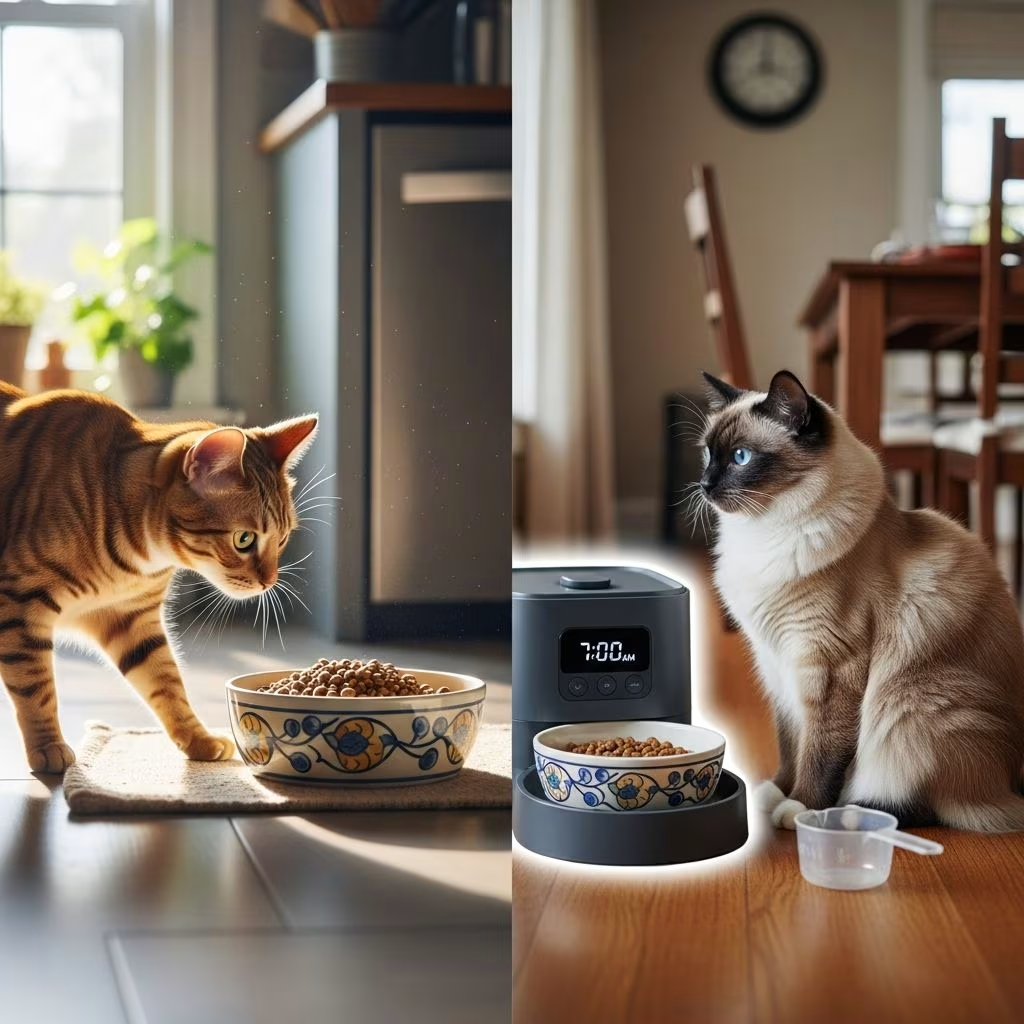
Free feeding involves leaving food available to cats at all times, while scheduled feeding provides measured portions at set times. Scheduled feeding generally supports better health outcomes by preventing overeating and aiding monitoring, though free feeding offers convenience in some scenarios.
Understanding Feline Nutritional Needs
Cats are obligate carnivores evolved to consume small, frequent meals high in protein and moisture from prey. Their wild ancestors hunted multiple times daily, ingesting food that was about 85% water. Modern domestic diets, especially dry kibble common in free feeding, often deviate from this with higher carbohydrates and lower moisture, potentially disrupting natural digestion and hydration.
Research indicates cats thrive on 2-3 meals per day rather than constant access, aligning with their metabolic patterns. Continuous availability of calorie-dense food can exceed daily energy needs, contributing to widespread obesity—over 60% of cats are overweight according to surveys.
Advantages of Free Feeding Practices
Free feeding appeals to many owners for its simplicity. Key benefits include:
- Flexibility for busy schedules, as cats eat independently without owner presence.
- Reduced mealtime competition in multi-cat homes, allowing shy cats to eat undisturbed.
- Alignment with some cats’ grazing instincts, mimicking natural small bites throughout the day.
These perks make it suitable for self-regulating cats or those with high energy demands, like active kittens. However, even here, dry food is preferable to avoid spoilage.
Key Risks Associated with Free Feeding
Despite conveniences, free feeding poses significant health drawbacks, primarily from unrestricted access promoting overconsumption.
Obesity and Metabolic Disorders
Unlimited food leads to overeating, as cats often consume more calories than required. This results in weight gain, straining joints and increasing risks for diabetes, osteoarthritis, and heart disease. Even ‘light’ formulas fail if intake isn’t controlled. Neutered cats, with lower energy needs, are particularly vulnerable.
Hydration Challenges and Organ Strain
Dry kibble’s low moisture content exacerbates cats’ naturally low thirst drive, causing chronic dehydration. This stresses kidneys, heightening risks for urinary tract issues and chronic kidney disease. Wet food mitigates this but spoils quickly if left out.
Monitoring and Behavioral Concerns
Constant food availability obscures appetite changes signaling illness, like reduced eating from stress or disease. In multi-cat households, dominant cats may monopolize bowls, leading to uneven intake, competition, or aggression. It also hinders using food for training or medication administration.
Benefits of Implementing Scheduled Feeding
Switching to timed meals—typically 2-4 per day—addresses free feeding pitfalls while promoting wellness.
- Portion Precision: Measure exact calories based on age, weight, activity, matching veterinary guidelines for ideal body condition.
- Health Surveillance: Observe eating patterns daily to detect issues early, such as sudden refusals indicating pain or nausea.
- Behavioral Enhancement: Establishes routines, reduces food guarding, and integrates with play or litter training.
- Variety Introduction: Easier to transition foods or add wet components for hydration without rejection.
For kittens, 3-4 meals support growth; adults benefit from 2-3; seniors may need smaller, frequent ones.
Comparing Free and Scheduled Feeding Methods
| Aspect | Free Feeding | Scheduled Feeding |
|---|---|---|
| Weight Control | High obesity risk from overeating | Easy portion management prevents gain |
| Health Monitoring | Hard to track intake changes | Clear visibility of habits |
| Multi-Cat Homes | Potential for bullying/inequity | Separate feedings ensure fairness |
| Owner Time | Low effort | Requires scheduling commitment |
| Hydration Support | Poor with dry food | Facilitates wet food inclusion |
Practical Guide to Transitioning Feeding Routines
Shifting from free to scheduled feeding takes 7-10 days to minimize stress.
- Assess Needs: Consult a vet for calorie targets using body condition scoring (ideal: visible waist, palpable ribs).
- Gradual Reduction: Day 1-3: Remove bowl for 1-2 hours daily, replacing with measured meal. Extend gaps progressively.
- Set Times: Align with your routine, e.g., 7 AM, noon, 5 PM, bedtime. Use puzzle feeders for engagement.
- Monitor Progress: Weigh bi-weekly; adjust if loss exceeds 1-2% weekly.
- Incorporate Wet Food: Mix 25% daily for moisture, building tolerance.
For multi-cat setups, feed in separate rooms or use microchip bowls.
Special Considerations for Different Cat Profiles
Kittens and Young Cats
High metabolism suits 4 meals, but scheduled prevents rapid overgrowth. Free feeding risks uneven growth in litters.
Senior and Medical Cases
Older cats need monitored intake to counter slowed metabolism. Those with diabetes thrive on precise timing mimicking insulin cycles.
Indoor vs Outdoor Cats
Inactive indoor cats demand strict control; hunters self-regulate better but still benefit from schedules.
Frequently Asked Questions
Can all cats free feed safely?
No, most don’t self-regulate, especially with palatable kibble. It’s riskier for overweight-prone or multi-cat homes.
How many meals daily for adults?
2-3 spaced 8-12 hours apart optimizes digestion and energy.
Does free feeding cause diabetes?
It contributes via obesity and blood sugar spikes from carb-heavy kibble.
What if my cat begs between meals?
Offer low-calorie play or broth; hunger fades as routine sets.
Is wet food better for schedules?
Yes, boosts hydration and satiety with fewer calories.
Enhancing Meals with Enrichment
Transform feeding into hunting simulations using feeders, food-dispensing toys, or scattered kibble. This curbs boredom eating, boosts activity, and mimics ancestral patterns, reducing obesity risks even in scheduled setups.
Combine with high-quality, vet-approved foods: high-protein, low-carb for metabolic health.
References
- The Downside of Free-Feeding Your Cat — Hill’s Pet Nutrition. 2023. https://www.hillspet.co.uk/cat-care/nutrition-feeding/dangers-of-free-feeding-cats
- Why You Should Not Free Feed Your Cat? — Holistic Vet Blend. 2023. https://holisticvetblend.com/blogs/news/why-you-should-not-free-feed-your-cat
- Free Feeding vs. Scheduled Feeding for Cats — Open Farm. 2024. https://openfarmpet.com/blogs/news/free-feeding-cats
- Feeding Cats for Optimal Mental and Behavioral Well-Being — PMC (National Library of Medicine). 2020-07-29. https://pmc.ncbi.nlm.nih.gov/articles/PMC7415653/
- How often should you feed your cat? — Cornell University College of Veterinary Medicine. 2023. https://www.vet.cornell.edu/departments/cornell-feline-health-center/health-information/feline-health-topics/how-often-should-you-feed-your-cat



