

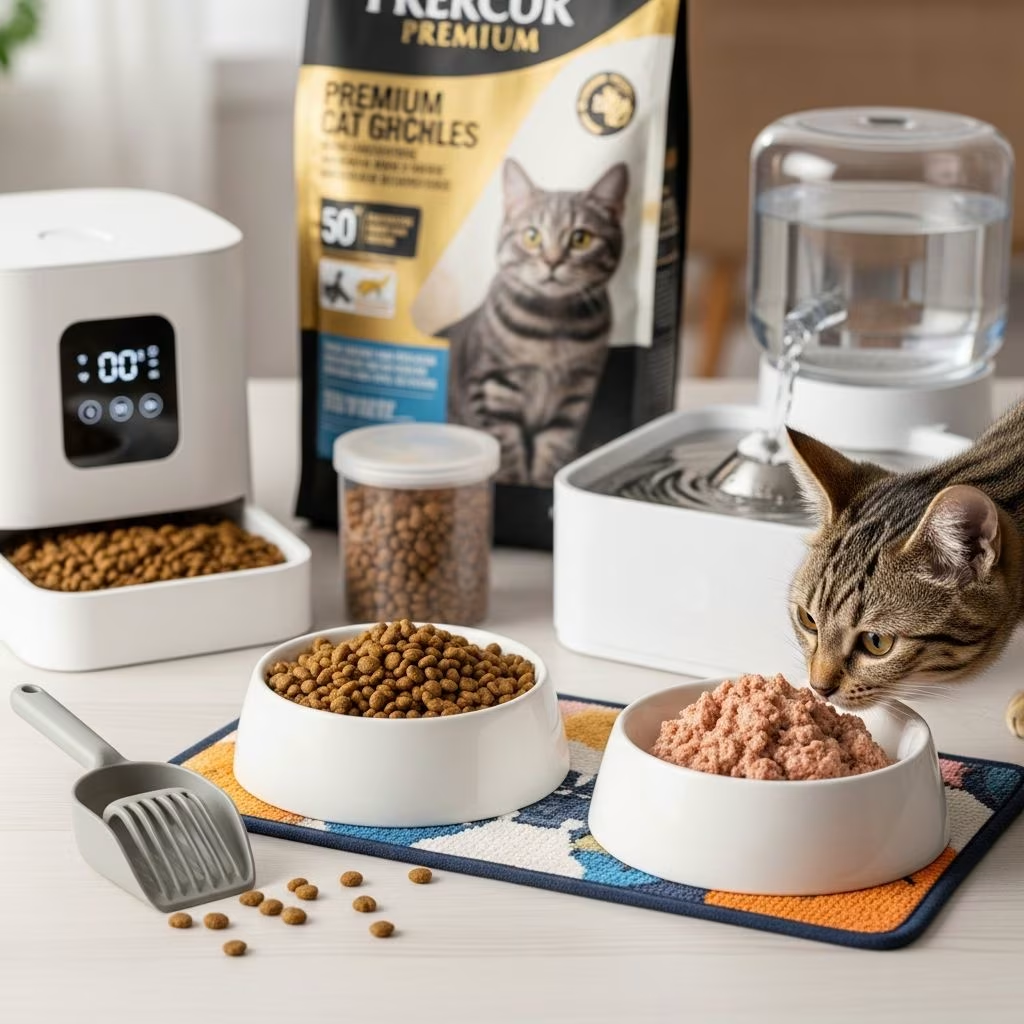
Proper nutrition forms the cornerstone of a cat’s health, influencing everything from energy levels to longevity. Cats, as obligate carnivores, require diets rich in animal proteins to meet their unique metabolic demands. This guide explores key aspects of feline feeding, drawing on established veterinary recommendations to help owners provide balanced meals tailored to their pet’s age, weight, and activity level.
Understanding Feline Nutritional Requirements
Cats evolved as hunters, consuming small, frequent prey meals high in protein and moisture. Modern commercial foods aim to replicate this by offering complete and balanced formulas that supply essential amino acids like taurine, vital for heart and eye health. Adult cats typically need diets with at least 26% protein and 9% fat on a dry matter basis, while growing kittens demand higher levels—around 30% protein and 9% fat—to support rapid development.
Water intake is equally critical; cats often prefer wet foods that mimic the hydration from fresh kills, reducing risks of urinary tract issues. Dry kibble, while convenient, should be paired with ample fresh water sources to encourage drinking.
Portion Control for Optimal Weight Management
Overfeeding is a common pitfall leading to obesity, which affects up to 60% of household cats. Daily caloric needs vary: a neutered adult averaging 10 pounds requires about 200-250 kcal, adjustable for activity. Use body condition scoring—feel the ribs with minimal fat cover—as a gauge rather than scales alone.
Guidelines for food amounts depend on the diet type:
| Food Type | Daily Amount for 8-12 lb Adult Cat |
|---|---|
| Dry Kibble | ½ – ⅔ cup |
| Wet Canned | 7-11 oz |
| Raw/Freeze-Dried | ¾ – 1¼ cups (reconstituted) |
For raw diets, aim for 2-3% of body weight daily; a 10 lb (4.5 kg) cat needs roughly 90-135g. Always consult food labels and adjust based on observation—monitor weight weekly and tweak portions by 10% if needed.
Feeding Schedules by Life Stage
Cats thrive on routine, which mimics their natural hunting patterns. Schedules evolve with age:
- Kittens (up to 6 months): 3-4 meals daily, spaced 6-8 hours apart, to fuel growth spurts.
- Junior Cats (6-12 months): Transition to 2-3 meals as appetite stabilizes.
- Adults (1-10 years): Twice daily, 12 hours apart (e.g., 7 AM and 7 PM), though some prefer 3-4 smaller meals.
- Seniors (10+ years): Maintain 2 meals but reduce calories by 10-20% for slower metabolism; offer softer textures if dental issues arise.
Free-feeding dry food suits multi-cat homes or dry-preferring felines, but portion control prevents gorging. Automated feeders ensure consistency for busy owners.
Customizing Diets for Special Needs
Activity level, sterilization status, and health conditions demand personalization. Neutered cats need 25% fewer calories due to metabolic shifts. Active outdoor cats may require up to 30% more.
For weight loss, divide daily allowance into 4-6 meals to curb hunger. Therapeutic diets for diabetes or kidney disease must follow veterinary prescription, often lower in phosphorus or carbs.
| Cat Profile | Daily Caloric Adjustment |
|---|---|
| Sterilized Indoor | 20 kcal/lb body weight |
| Intact Active | 30 kcal/lb body weight |
| Obese (Weight Loss) | 15-18 kcal/lb ideal weight |
Transitioning to New Foods Safely
Abrupt diet changes cause digestive upset. Over 7-10 days, mix 25% new food with 75% old, increasing gradually:
- Days 1-2: 25% new
- Days 3-4: 50% new
- Days 5-6: 75% new
- Days 7+: 100% new
Monitor stool quality and energy; slow the process if diarrhea occurs. Raw diets require extra caution—start with small amounts to build gut flora.
Choosing High-Quality Ingredients
Scan labels for named meats (e.g., “chicken”) as first ingredients, avoiding fillers like corn or by-products in excess. AAFCO statements confirm completeness for growth or maintenance. Wet foods preserve more natural moisture and aromas, ideal for picky eaters.
Supplements like omega-3s benefit coat health but aren’t substitutes for balanced bases. Always vet-approved to avoid excesses.
Feeding Environment and Behavior Tips
Locate bowls in quiet, elevated spots to reduce stress—cats dislike cluttered or trafficked areas. Separate food from litter by 10+ feet. Wide, shallow dishes prevent whisker fatigue.
Encourage play-hunting before meals to tap instincts. Multi-cat homes need divided spaces to prevent dominance bullying.
Common Mistakes and How to Avoid Them
- Treating humans food as treats: High-fat scraps disrupt balance.
- Ignoring dental health: Raw bones or dental kibble aids hygiene.
- Overlooking hydration: Fountains boost intake by 20-30%.
Frequently Asked Questions
How do I know if my cat is overweight?
Use the 5/9 body score: ideal is 4-5, where ribs are palpable without excess fat, waist visible from above.
Can cats eat dry food only?
Yes, if AAFCO-approved and water abundant, but mixing wet enhances urinary health.
What’s the best time for meals?
Morning and evening align with circadian rhythms; consistency trumps exact hours.
Should I free-feed kittens?
Until 4 months, yes for dry; switch to scheduled for control post-weaning.
How to handle picky eaters?
Warm wet food slightly, vary proteins, add toppers like tuna water sparingly.
Monitoring Long-Term Health Impacts
Regular vet check-ups track trends; bloodwork reveals nutrient gaps. Annual weigh-ins catch issues early. Owners report 20% longevity gains with tailored feeding.
In multi-pet homes, calorie-match to avoid competition. Pregnant queens need 2x calories in late gestation, fed 4x daily.
References
- Cat Nutrition Tips — ASPCA. 2023. https://www.aspca.org/pet-care/cat-care/cat-nutrition-tips
- Nutrition – General Feeding Guidelines for Cats — VCA Animal Hospitals. 2024. https://vcahospitals.com/know-your-pet/nutrition-feeding-guidelines-for-cats
- How often should you feed your cat? — Cornell University College of Veterinary Medicine. 2023. https://www.vet.cornell.edu/departments/cornell-feline-health-center/health-information/feline-health-topics/how-often-should-you-feed-your-cat
- The Ultimate Cat & Kitten Feeding Guide — Bella & Duke. 2024. https://www.bellaandduke.com/raw-feeding/our-complete-guide-to-cat-and-kitten-feeding-with-charts-weights-and-schedules/
- How Much to Feed Your Cat — Stella & Chewy’s. 2024. https://www.stellaandchewys.com/blogs/articles/how-much-to-feed-cats



