

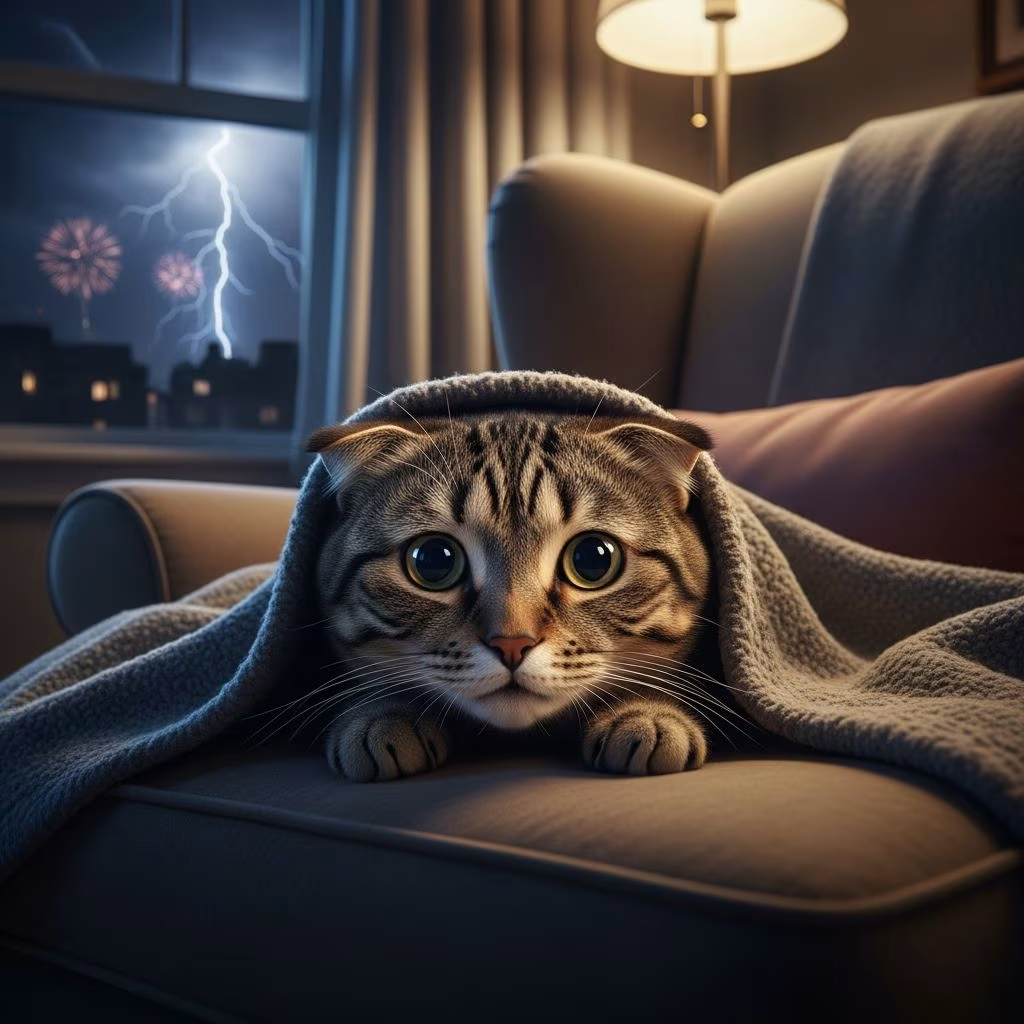
Cats often exhibit intense fear responses to sudden loud sounds like thunderclaps or fireworks explosions, driven by their acute hearing and survival instincts. This guide delves into the biological and environmental factors fueling these reactions, outlines observable symptoms, and provides practical, evidence-based techniques to support your cat’s well-being during such events.
The Science Behind Feline Sensitivity to Sound
Felines possess hearing capabilities far superior to humans, detecting frequencies up to 64,000 Hz, which includes ultrasonic ranges inaudible to people. This evolutionary trait aids in hunting tiny prey but renders them vulnerable to overwhelming noises from storms or pyrotechnics, triggering an immediate fight-or-flight mechanism.
Biological Triggers for Panic
- Atmospheric Pressure Shifts: Cats detect subtle drops in barometric pressure preceding thunderstorms, prompting preemptive hiding behaviors even before rumbles begin.
- Unpredictable Volume Surges: The erratic bangs and whizzes of fireworks mimic predator threats, amplifying stress due to their suddenness and irregularity.
- High-Pitch Elements: Firework whistles and crackles fall within cats’ sensitive auditory spectrum, intensifying discomfort compared to steady human-perceived sounds.
These responses stem from the amygdala, the brain’s fear center, which processes auditory cues rapidly to ensure survival in the wild.
Environmental and Historical Influences
Past traumas, such as exposure to abusive settings or confinement, can heighten noise sensitivities. Rescued cats from chaotic backgrounds may generalize loud sounds as danger signals, leading to prolonged anxiety. Conversely, stable home environments foster resilience, though genetics play a role—some breeds like Siamese appear more prone to sound aversions.
Recognizing Distress Indicators in Cats
Observing your cat’s body language is crucial for timely intervention. Common manifestations include:
- Retreating to secluded spots, such as under furniture or in closets.
- Physical tremors or shivering, even in warm conditions.
- Overzealous self-grooming, potentially resulting in bald patches from stress-induced licking.
- Heavy breathing or open-mouth panting, unusual for cats.
- Excessive salivation or meowing/vocal protests.
- Accidents outside the litter box, signaling acute panic.
- Aggressive posturing, flattened ears, or dilated pupils.
- Loss of interest in food or destructive scratching.
These signs vary by individual; kittens and seniors may show amplified reactions due to developing or waning coping abilities.
Proven Strategies to Mitigate Fear
Preparation is key to minimizing trauma. Implement these multifaceted approaches:
Secure the Environment
Keep all exits sealed during events to prevent bolting—microchipping is essential as a precaution. Block hazardous hideaways like attics or vents with temporary barriers.
Designate Sanctuary Zones
Craft cozy retreats using cardboard boxes lined with familiar bedding, positioned in quiet rooms. Stock with essentials: water, litter, toys, and pheromone dispensers. Soft lighting and draped fabrics enhance security.
| Sanctuary Element | Purpose | Tips for Success |
|---|---|---|
| Box or Basket | Enclosed hiding | Side-open for easy access; add catnip toys. |
| Familiar Blanket | Scent comfort | Use slept-on items for reassurance. |
| Background Audio | Noise masking | Classical music or white noise machines. |
| Litter and Food | Basic needs | Place nearby but not intrusive. |
Calming Aids and Products
- Compression Garments: Vests applying gentle pressure mimic maternal hugging, reducing cortisol levels.
- Pheromone Diffusers: Synthetic feline appeasing pheromones (FAP) promote relaxation via wall plugs or collars.
- Herbal Supplements: Vet-approved options like L-theanine or chamomile, avoiding toxic essentials oils.
Behavioral Conditioning Techniques
Desensitization involves gradual exposure to recorded sounds at low volumes, paired with rewards like treats. Counter-conditioning associates noises with positives, such as playtime. Start sessions in calm periods, progressing slowly over weeks.
Long-Term Management and Veterinary Guidance
For persistent phobias, consult a veterinarian to rule out health issues exacerbating anxiety, like hyperthyroidism. Prescription anxiolytics may be recommended for severe cases. Regular enrichment—puzzle feeders, vertical spaces—bolsters overall resilience.
FAQs: Addressing Common Concerns
Do all cats fear fireworks equally?
No, reactions span from mild startles to prolonged hiding, influenced by age, breed, and history. Most recover swiftly post-event.
Can cats habituate to thunder over time?
Some adapt through positive associations, but forcing exposure risks worsening fears. Focus on supportive coping instead.
How long might a cat remain upset after noises cease?
From hours to days; provide patience, avoiding forced interactions.
Are there breed-specific vulnerabilities?
Oriental breeds show higher incidences, but any cat can develop sensitivities.
Is punishment ever appropriate for scared behaviors?
Never— it compounds stress. Reward calm moments instead.
Holistic Wellness for Noise-Resilient Cats
Integrate daily routines promoting mental health: interactive play, scent enrichment, and routine vet checkups. Monitor for escalating signs like chronic appetite loss, warranting professional behaviorists. By empathizing with their sensory world, owners transform terrifying episodes into manageable ones, strengthening bonds.
Understanding feline acoustics reveals why booms unsettle: cats hear intensities four times louder than humans. Proactive havens and tools empower peaceful coexistence amid chaos.
References
- Do fireworks and other loud noises upset cats? — Vetster. 2023. https://vetster.com/en/wellness/do-fireworks-and-other-loud-noises-upset-cats
- Cats and Fireworks: How to Keep Your Cat Calm — Hill’s Pet. 2024. https://www.hillspet.ca/en-ca/cat-care/routine-care/cats-and-fireworks
- Fear of Thunderstorms & Fireworks — University of Pennsylvania School of Veterinary Medicine. 2024-12. https://www.vet.upenn.edu/wp-content/uploads/2024/12/fear-of-thunderstorms-amp-fireworks-pdf.pdf
- How To Keep Your Cat Calm and Safe During Fireworks — PetMD. 2024. https://www.petmd.com/cat/behavior/how-keep-your-cat-calm-and-safe-during-fireworks
- Thunderstorm and Fireworks Anxiety — Hallett Veterinary Hospital. 2024. https://www.hallettvet.com/blog/thunderstorm-and-fireworks-anxiety



