

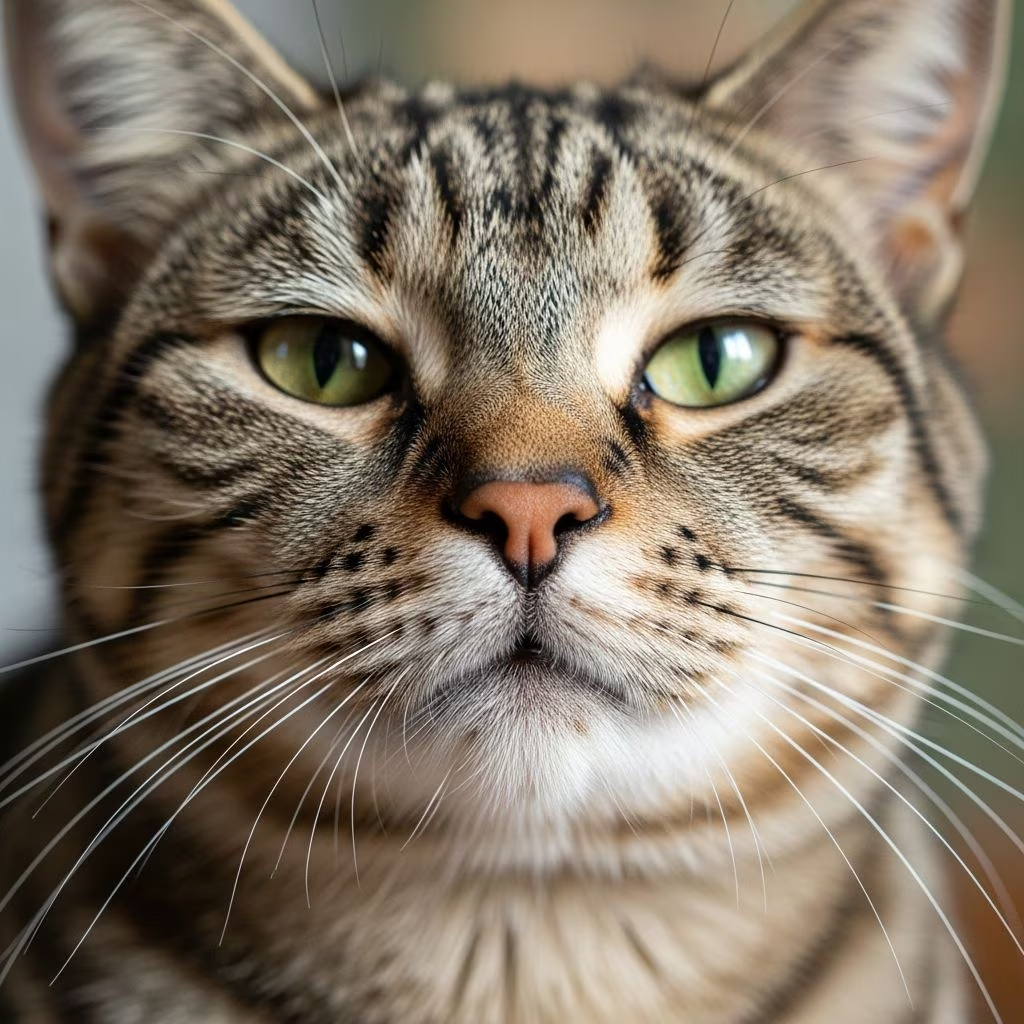
Hair loss on a cat’s face, particularly the thinning or bald patches directly above the eyes, often signals an underlying issue that requires prompt attention. This condition, known as **facial alopecia**, manifests as symmetrical or patchy fur reduction in the eyebrow area, exposing pink skin beneath. Unlike general shedding, this targeted loss typically stems from excessive grooming, allergies, infections, or systemic diseases, leading to discomfort and visible changes in your pet’s appearance.
Early recognition is crucial because untreated causes can escalate, affecting your cat’s overall well-being. Veterinary experts note that while some cases resolve with simple interventions, others demand comprehensive diagnostics to rule out serious health threats. This guide delves into the mechanisms, triggers, identification methods, and solutions for restoring your cat’s lush facial fur.
Mechanisms Behind Facial Fur Loss in Cats
Feline hair loss occurs through two primary pathways: self-trauma from overgrooming or direct follicle disruption. In the facial region above the eyes, cats frequently lick or chew to alleviate itchiness, resulting in broken hairs and bare skin. This **psychogenic or pruritic alopecia** differs from spontaneous shedding, where follicles fail due to illness.
Symptoms extend beyond baldness to include redness, scaling, and subtle behavioral shifts like increased face rubbing. The area’s prominence makes it a common grooming target, amplifying the issue. Understanding these dynamics helps pet owners differentiate normal molting from pathological loss.
Primary Triggers of Eyebrow Area Baldness
Several factors contribute to this specific hair thinning. Here’s a breakdown:
- Parasitic Infestations: Fleas, mites, and lice provoke intense itching, prompting cats to target sensitive facial zones. Even indoor cats face flea allergy dermatitis from minimal exposure, causing saliva-induced inflammation.
- Allergic Reactions: Food proteins, pollen, or dust trigger hypersensitivity, leading to facial overgrooming. Atopic dermatitis often localizes here, with red, inflamed skin.
- Infections: Bacterial pyoderma or fungal ringworm creates crusty, itchy lesions above the eyes, eroding fur. These thrive in moist areas from grooming.
- Hormonal Imbalances: Hyperthyroidism in seniors disrupts growth cycles, yielding symmetric facial thinning alongside weight loss.
- Stress-Induced Grooming: Anxiety from household changes manifests as compulsive licking, mimicking medical alopecia but resolving with environmental tweaks.
A table summarizing key differences:
| Cause | Common Facial Signs | Associated Behaviors |
|---|---|---|
| Parasites | Red, scaly patches | Scratching, head shaking |
| Allergies | Inflammation, symmetry | Persistent licking |
| Infections | Crusts, odor | Rubbing on surfaces |
| Hormonal | Smooth baldness | Increased thirst/appetite |
| Stress | Patchy, even edges | Overgrooming rituals |
Step-by-Step Diagnosis Process
Veterinarians employ a systematic approach to pinpoint causes. Initial exams involve skin scrapings for parasites, fungal cultures, and flea comb checks. Blood panels screen for thyroid issues or nutritional deficits, while allergy trials—eliminating suspects like novel proteins—clarify hypersensitivities.
- History Review: Note grooming patterns, diet changes, and environment shifts.
- Physical Inspection: Use magnification for mites; check for broken hairs vs. shed ones.
- Lab Tests: Cytology for bacteria, biopsies for autoimmune traits.
- Trial Therapies: Flea preventives or hypoallergenic diets gauge responses.
Such thoroughness ensures accuracy, as studies show up to 76% of presumed stress cases harbor medical roots.
Treatment Strategies Tailored to Causes
Remedies target root issues for optimal regrowth, often within 2-3 months. Parasite control uses topical or oral insecticides; allergies benefit from antihistamines or hypoallergenic feeds. Infections clear with antifungals or antibiotics like Clavamox.
- Calming aids for stress-related cases, such as pheromone diffusers.
- Hormonal therapies like methimazole for thyroid overactivity.
- Shampoos or topicals, vetted for feline safety to avoid toxicity.
Prognosis excels for curable triggers like fleas but requires lifelong management for endocrine disorders. Patience is key, as follicles rebuild gradually.
Preventive Measures for Lasting Coat Health
Proactive steps minimize recurrence. Monthly flea preventives shield against infestations. Balanced, novel-protein diets curb allergies. Stress reduction via play, vertical spaces, and routines fosters calm. Regular vet checkups catch issues early.
Monitor for holistic wellness: shiny fur reflects nutrition, activity, and parasite-free status. Supplements like omega-3s support skin barrier function, though evidence varies.
When to Seek Immediate Veterinary Help
Rush to the vet if hair loss spreads, skin ulcerates, or your cat shows lethargy, appetite loss, or vocalizing pain. These signal advanced disease, potentially life-threatening like leukemia compromising immunity. Delaying risks secondary infections or permanent follicle scarring.
Frequently Asked Questions (FAQs)
Can facial hair loss heal on its own?
Minor stress-induced cases may self-resolve with environmental stability, but most require intervention to prevent progression.
Is over-the-counter flea treatment safe for facial application?
No—consult a vet first, as many products irritate sensitive areas or prove toxic if ingested during grooming.
How long until fur regrows above the eyes?
Typically 1-3 months post-treatment, varying by cause severity and cat age.
Does diet directly cause eyebrow baldness?
Food allergies contribute in 10-20% of cases, confirmed via elimination trials.
Can indoor cats get facial mites?
Yes, via human or object transfer; vigilance is essential regardless of lifestyle.
By addressing **facial alopecia** promptly with these insights, cat owners can safeguard their pets’ comfort and aesthetics. Collaborate with professionals for personalized plans, ensuring vibrant health.
References
- Alopecia in Cats: What It Is and Why Your Cat Is Losing Hair — PetMD. 2023. https://www.petmd.com/cat/conditions/skin/alopecia-cats-what-it-and-why-your-cat-losing-hair
- Alopecia in Cats — Just Cats Clinic. 2024. https://justcatsclinic.com/alopecia-in-cats/
- Hair Loss (Alopecia) in Cats – Causes, Treatment — Vetster. 2024. https://vetster.com/en/symptoms/cat/hair-loss-alopecia
- A Clinical Approach to Alopecia in Cats — Today’s Veterinary Practice. 2022. https://todaysveterinarypractice.com/dermatology/alopecia-diagnosis-cats/
- Hair Loss (Alopecia) in Cats — Merck Veterinary Manual. 2025. https://www.merckvetmanual.com/cat-owners/skin-disorders-of-cats/hair-loss-alopecia-in-cats



