

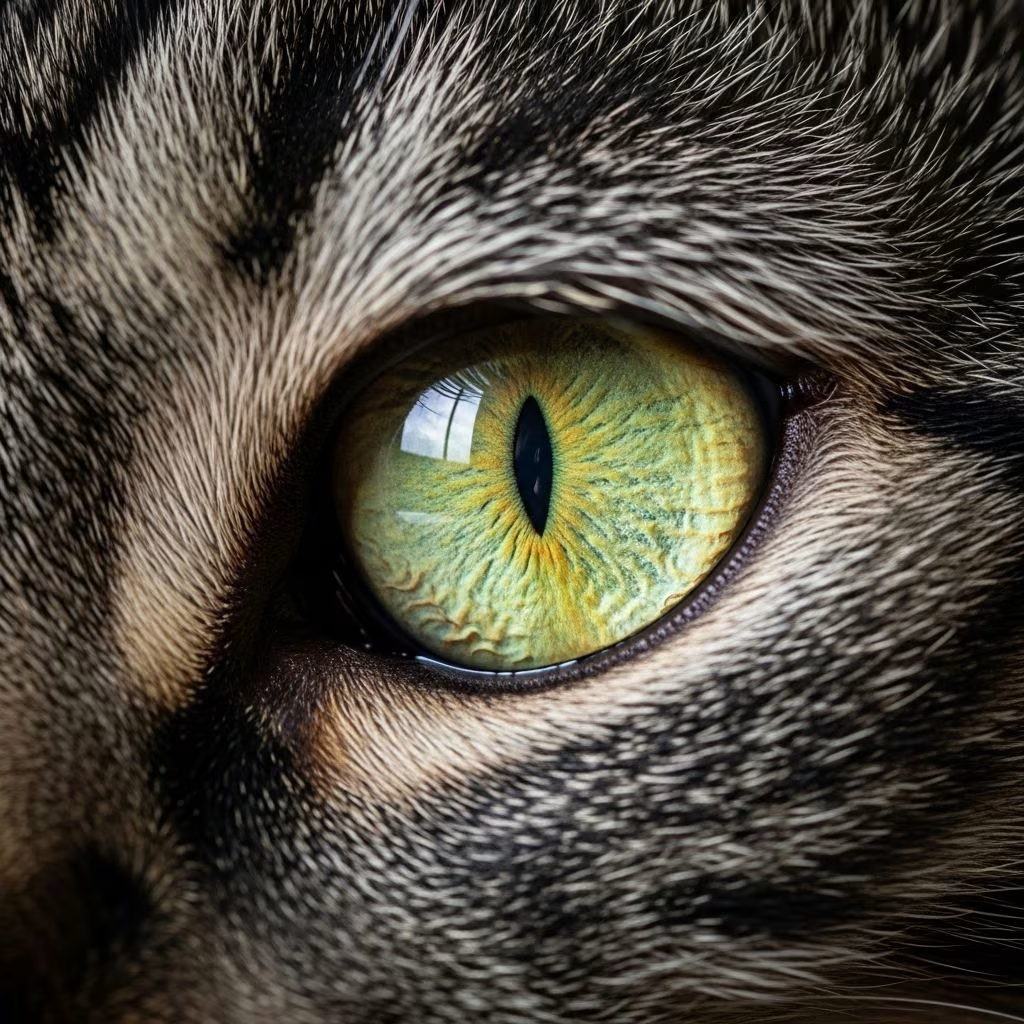
Understanding Your Cat’s Eyes: Anatomy and Vision
Cats possess remarkable visual capabilities that set them apart from many other animals. Their eyes are perfectly adapted for hunting and navigating their environment with precision. Understanding the anatomy and function of your cat’s eyes is the first step toward maintaining their ocular health and recognizing potential problems before they become serious.
The feline eye is a complex organ with several specialized components working together to create the superior vision cats are known for. Unlike humans, cats have a reflective layer behind the retina called the tapetum lucidum, which enhances their ability to see in low-light conditions. This adaptation makes cats exceptional night hunters and allows them to see in light levels six times lower than what humans require. Additionally, cats have a wider field of view—approximately 200 degrees compared to humans’ 180 degrees—giving them exceptional peripheral vision that helps them detect movement and potential threats from the sides.
The structure of a cat’s eye includes the cornea, lens, retina, and optic nerve, each playing a vital role in vision. The cornea acts as the eye’s protective outer layer and helps focus light, while the lens provides fine-tuning for focus at various distances. The retina contains specialized cells called rods and cones that convert light into neural signals sent to the brain via the optic nerve. Cats have more rods than cones, contributing to their superior night vision but also meaning they see fewer colors than humans do.
Signs of Healthy Cat Eyes
Knowing what healthy cat eyes look like is essential for early detection of problems. Regular observation of your cat’s eyes can help you identify issues before they progress to more serious conditions.
Healthy cat eyes should display the following characteristics:
- Bright and clear appearance with a lustrous, glossy surface
- Complete freedom from redness, swelling, or inflammation
- Pupils of equal size that respond appropriately to changes in light
- No excessive tearing, discharge, or mucus buildup
- No squinting, blinking excessively, or rubbing at the eyes
- Clear visibility of the white part of the eye (sclera) without redness
When examining your cat’s eyes at home, take note of any deviations from these standards. A cat’s eyes should never appear dull, cloudy, or watery under normal circumstances. If you notice any changes in appearance or behavior related to the eyes, it warrants further investigation.
Common Eye Conditions in Cats
Cats are susceptible to various eye conditions that can range from minor irritations to serious threats to vision. Understanding these common problems helps you recognize symptoms early and seek appropriate treatment.
Conjunctivitis (Pink Eye)
Conjunctivitis is one of the most frequently encountered eye problems in cats. This condition involves inflammation of the conjunctiva, the membrane covering the white part of the eye and inner eyelids. Cats with conjunctivitis typically display redness around the eye, watery or mucoid discharge, and swollen eyelids. The condition can result from viral infections, bacterial infections, allergies, or environmental irritants such as dust or smoke. Treatment usually involves prescription eye drops and may include antibiotics if a bacterial infection is present.
Corneal Ulcers
Corneal ulcers are erosions in the cornea that can develop from scratches, dry eye conditions, or infections. Cats with corneal ulcers often display excessive blinking, squinting, and may develop a cloudy appearance in the affected eye. These ulcers require prompt veterinary attention because they can progress rapidly and potentially lead to vision loss. Treatment typically includes antibiotic ointments or drops, and in severe cases, surgical intervention may be necessary.
Glaucoma
Glaucoma occurs when intraocular pressure increases within the eye, potentially damaging the optic nerve and leading to blindness if left untreated. Signs of glaucoma include a bulging eye, excessive tearing, redness, and the cat showing signs of pain or vision loss. This is a serious condition requiring immediate veterinary care. Treatment may involve medications to reduce eye pressure or, in some cases, surgical intervention.
Cataracts
Cataracts develop when the lens becomes cloudy or opaque, which can happen due to aging, diabetes, or other metabolic disorders. Affected cats may show a milky or whitish appearance in the lens. While some cataracts progress slowly and cause minimal vision problems, others can significantly impact a cat’s ability to see. In severe cases where cataracts substantially impair vision, surgical removal may be recommended.
Uveitis
Uveitis is inflammation of the uveal tract, the middle layer of the eye. This condition causes pain, redness, and sensitivity to light. Uveitis can result from infections, immune disorders, or trauma. Treatment involves anti-inflammatory eye drops and addressing the underlying cause of the inflammation.
Feline Herpesvirus (FHV-1)
This viral infection is a common cause of eye problems in cats and can lead to conjunctivitis, corneal ulceration, and other ocular manifestations. Infected cats may experience flare-ups periodically throughout their lives, particularly during times of stress. Antiviral medications and supportive care can help manage the condition during active infections.
Risk Factors and Causes of Eye Issues
Several factors can contribute to the development of eye problems in cats:
- Viral and Bacterial Infections: Herpesvirus, Chlamydia, and other pathogens can cause serious eye infections
- Allergies and Environmental Irritants: Dust, smoke, pollen, and harsh chemicals can irritate feline eyes
- Trauma and Scratches: Cat fights, rough play, or accidents can injure the eye
- Genetic Predisposition: Certain cat breeds are inherently more prone to specific eye conditions
- Systemic Diseases: Conditions like diabetes can contribute to eye problems such as cataracts
- Age: Senior cats are more susceptible to cataracts and other age-related eye conditions
Breed-Specific Eye Concerns
Certain cat breeds have genetic predispositions to specific eye conditions, making preventive care and regular monitoring even more important for these breeds.
Siamese and Burmese cats have a higher risk of developing glaucoma and cataracts. These breeds require more frequent eye monitoring and preventive care to catch problems early. Scottish Folds are more prone to eye infections and other ocular issues due to their unique ear structure affecting tear drainage. Persians and other flat-faced breeds often experience tear duct problems and are susceptible to conjunctivitis. If you own one of these breeds, discussing specific preventive measures and screening schedules with your veterinarian is advisable.
How to Examine Your Cat’s Eyes at Home
Regular home examinations can help you identify potential problems early. Here’s how to properly check your cat’s eyes:
- Observe for redness or swelling in the white part of the eye
- Check for watery, cloudy, or pus-like discharge
- Look for unequal pupil sizes or pupils that don’t respond to light changes
- Watch for excessive squinting or rubbing behavior
- Examine the appearance of the third eyelid (the white membrane in the corner of the eye)
- Note any cloudiness, haziness, or changes in the eye’s clarity
If you notice anything unusual during your examination, schedule a veterinary appointment promptly. Early intervention can prevent minor issues from becoming serious problems affecting your cat’s vision.
Preventative Eye Care for Cats
Maintaining your cat’s eye health involves a multi-faceted approach combining routine care, proper nutrition, and regular veterinary checkups.
Routine Cleaning
Gentle cleaning helps prevent discharge buildup and reduces the risk of infections. Use a damp cotton pad moistened with vet-approved saline solution and gently wipe from the inner corner of the eye outward. Never touch the eye itself directly, and always ensure that any materials used are clean and sterile. Most cats do not require frequent eye cleaning unless they have specific conditions causing excessive discharge.
Nutrition and Supplements
Proper nutrition plays a crucial role in maintaining eye health. Key nutrients include:
- Taurine: This essential amino acid is vital for retinal health and vision function in cats
- Vitamin A: Supports night vision and overall eye health
- Omega-3 Fatty Acids: Help reduce inflammation and support ocular tissue health
- Antioxidants: Protect eye tissues from age-related damage
Ensure your cat’s diet contains adequate amounts of these nutrients, and discuss supplementation with your veterinarian if your cat has specific eye health concerns.
Regular Grooming
For long-haired cats, regular grooming around the eyes is essential. Excess fur can block vision, trap dirt and debris, and create an environment conducive to infections. Trim excess hair carefully around the eye area, being cautious not to poke or scratch the eye itself.
Environmental Safety
Protect your cat’s eyes from potential irritants and hazards by avoiding harsh cleaning chemicals around them, ensuring adequate ventilation to reduce smoke and fumes, keeping sharp objects out of reach, and preventing rough play that could cause scratches or trauma.
Annual Veterinary Check-Ups
Comprehensive eye exams during annual veterinary visits allow professionals to detect early signs of eye disease before they progress. Senior cats (over 7 years old) may benefit from twice-yearly examinations. Regular check-ups are especially important for breed-prone cats and those with previous eye problems.
Administering Eye Medications
If your cat requires eye drops or ointments, proper administration is crucial for effective treatment.
Applying Eye Drops
- Hold your cat’s head gently but firmly in a stable position
- Gently pull back the upper eyelid or lower lid to create an opening
- Administer the prescribed number of drops into the eye
- Allow your cat to blink naturally to distribute the medication throughout the eye
- Wipe away any excess with a clean, soft cloth
Applying Eye Ointment
- Gently pull down the lower eyelid to create a small pocket
- Apply a small strip of ointment along the edge of the eyelid
- Release the eyelid and gently massage the upper and lower lids together
- Allow the ointment to distribute across the eye surface
If your cat resists medication administration, ask your veterinarian for tips or consider asking an assistant to help hold your cat still during treatment.
First Aid for Eye Injuries
Knowing how to respond to eye injuries can prevent complications and preserve vision.
Minor Eye Injuries
For minor scratches or irritation, flush the eye gently with sterile saline solution to remove debris. Keep your cat calm and prevent scratching or rubbing by using an Elizabethan collar if necessary. Monitor the eye closely and contact your veterinarian if the injury doesn’t improve within 24 hours.
Serious Eye Trauma
If you observe blood in the eye, a bulging eye, obvious pus, or signs of severe pain, seek emergency veterinary care immediately. These signs indicate serious trauma that could threaten your cat’s vision if not treated urgently.
Behavioral Signs of Vision Problems
Cats with vision problems often exhibit specific behavioral changes. These signs include bumping into furniture or walls, reluctance to jump or climb, increased clumsiness, staying in familiar areas and avoiding new spaces, hesitation in low-light environments, and excessive caution when moving. If you notice these behaviors, especially if they develop suddenly, consult your veterinarian promptly for evaluation.
Future of Feline Eye Care
Veterinary ophthalmology continues to advance, with emerging treatments offering new hope for cats with eye problems. Gene therapy and stem cell treatments show promise for degenerative eye conditions. Novel non-surgical treatments for glaucoma are under development, potentially offering alternatives to traditional surgical approaches. Advanced cataract surgery techniques are improving outcomes and safety for affected cats.
Frequently Asked Questions
Q: How often should I have my cat’s eyes examined by a veterinarian?
A: Adult cats should have annual eye examinations as part of their regular health check-ups. Senior cats (over 7 years old) and those with breed predispositions to eye problems should have examinations twice yearly.
Q: Can cat eye problems lead to blindness?
A: Yes, untreated eye conditions such as glaucoma, severe corneal ulcers, or advanced cataracts can potentially lead to blindness. Early detection and treatment are crucial for preserving vision.
Q: What should I do if my cat’s eye appears injured or cloudy?
A: Contact your veterinarian immediately. Eye injuries and cloudiness can indicate serious conditions requiring prompt professional evaluation and treatment.
Q: Are certain cat breeds more prone to eye problems?
A: Yes, Siamese, Burmese, Scottish Folds, Persians, and other flat-faced breeds have higher predispositions to specific eye conditions and benefit from more frequent monitoring.
Q: Can I use human eye drops on my cat?
A: No, never use human eye drops on cats unless specifically prescribed by your veterinarian. Cat eyes have different pH and composition requirements than human eyes, and inappropriate drops can cause irritation or harm.
Q: What nutrients are most important for cat eye health?
A: Taurine is essential for feline retinal health and vision. Vitamin A supports night vision, while omega-3 fatty acids reduce inflammation. A balanced commercial cat food typically contains adequate amounts of these nutrients.
Q: How can I help a cat with vision loss?
A: Keep food, water, litter box, and toys in consistent locations. Minimize environmental changes, use verbal cues, and provide extra comfort and security. Most blind cats adapt well with patience and environmental consistency.
References
- Eye Care for Cats: A Complete Guide to Feline Eye Health — Kitty Up. 2024. https://www.kittyupcats.com/blogs/news/eye-care-for-cats-a-complete-guide-to-feline-eye-health
- How to Care for Your Cat’s Eyes — Petnsur. 2024. https://www.petnsur.co.nz/blog/how-to-care-for-your-cats-eyes/
- Understanding and Treating Eye Infections in Cats: A Comprehensive Guide — Oklahoma Veterinary Campus. 2024. https://okcvetcampus.com/understanding-and-treating-eye-infections-in-cats-a-comprehensive-guide/
- Keeping Your Cat’s Eyes in Purr-fect Health — Stack Veterinary Hospital. 2024. https://stackvethospital.com/keeping-your-cats-eyes-in-purr-fect-health/
- How to Properly Clean Your Cat’s Eyes: A Complete Guide — Vetericyn. 2024. https://vetericyn.com/blogs/vetericyn/how-to-properly-clean-your-cats-eyes
- A Comprehensive Guide to Support Eye Health in Dogs and Cats — Urchild Pets. 2024. https://furchildpets.com/blog/guide-to-support-eye-health-in-dogs-and-cats
- Cat Eye Problems: Most Common Eye Issues in Cats — PetMD. 2024. https://www.petmd.com/cat/general-health/common-cat-eye-problems



