
Cat Eyelid Issues: 5 Signs, Causes, And Treatments
Discover common eyelid problems in cats, from inflammation to structural defects, and learn how timely veterinary intervention can safeguard your pet's vision and comfort.
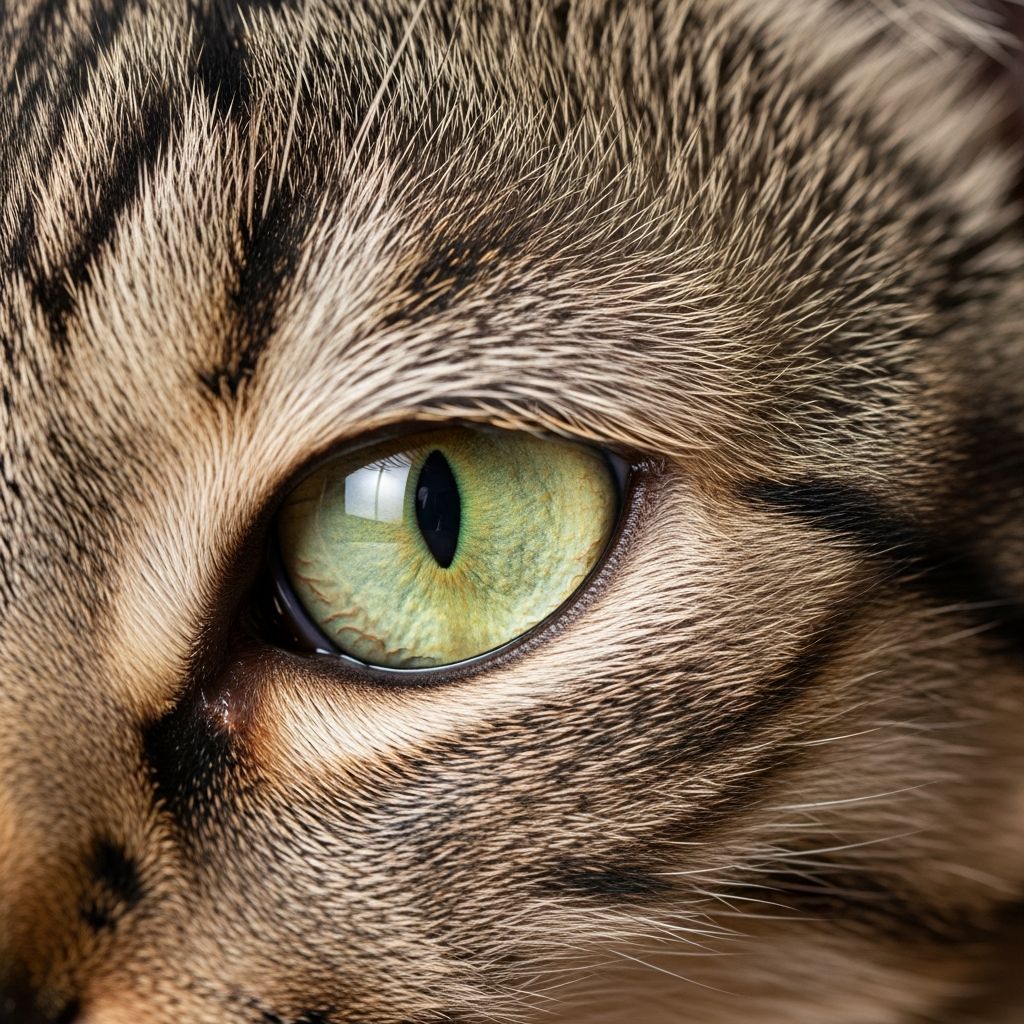
Feline eyelid problems can range from mild irritations to serious conditions that threaten vision. These disorders often manifest as swelling, redness, or abnormal positioning, requiring prompt attention to prevent complications like corneal damage. Understanding these issues empowers cat owners to seek timely care.
Understanding the Feline Eyelid’s Role
The eyelids protect the eyes from debris, distribute tears, and maintain moisture. In cats, they include specialized glands like meibomian glands that produce oils for the tear film. Disruptions in this system lead to discomfort and secondary infections.
Common Types of Eyelid Abnormalities
Several structural issues affect cat eyelids, often present from birth or developing later.
- Entropion: The eyelid rolls inward, causing lashes to rub the cornea. Common in certain breeds, it leads to ulcers and pain.
- Ectropion: Rare in cats, where the eyelid sags outward, exposing the eye to drying and injury.
- Lagophthalmos: Inability to fully close eyelids, seen in brachycephalic breeds, resulting in chronic exposure keratitis.
Inflammatory Conditions of the Eyelids
Blepharitis: Inflammation and Its Variants
Blepharitis involves eyelid margin inflammation, appearing as redness, swelling, and crusting. Cats may exhibit blepharospasm (spasmodic blinking), rubbing, and discharge that can be clear, mucoid, or pus-filled. Causes include bacteria, viruses like herpesvirus, allergies, or parasites. Chronic cases show pigment loss, hair thinning, or gland swelling.
| Symptom | Description | Potential Complication |
|---|---|---|
| Redness and Swelling | Affected lid margins appear inflamed | Conjunctivitis spread |
| Discharge | Clear to purulent buildup | Secondary infections |
| Blepharospasm | Excessive squinting or blinking | Corneal ulcers |
Other Inflammatory Issues
Parasitic infestations or autoimmune responses can mimic blepharitis, necessitating thorough diagnostics.
Abnormal Eyelash Growth Disorders
Cats can develop misplaced or extra lashes irritating the cornea.
- Distichiasis: Extra lashes from the lid margin oil glands, causing chronic irritation.
- Ectopic Cilia: Lashes growing from the inner lid surface, often leading to ulcers and severe pain.
- Trichiasis: Normal lashes rubbing abnormally due to lid conformation.
These are typically congenital, more prevalent in breeds like Persians, and may not cause issues until maturity.
Symptoms Owners Should Watch For
Early detection hinges on recognizing subtle signs. Key indicators include:
- Persistent pawing or rubbing at the eye
- Visible third eyelid protrusion
- Cloudy cornea or color changes in exposed areas
- Thick, sticky discharge or excessive tearing
- Swollen or misshapen lids
In lagophthalmos, the eye remains partially open even when resting, leading to pigmentation or scarring. Untreated, these progress to vision loss.
Diagnostic Approaches
Veterinarians start with a full ophthalmic exam, using fluorescein staining for ulcers, Schirmer tear tests for dryness, and tonometry for pressure. Fluorescein angiography or biopsies aid complex cases. Identifying underlying causes like herpesvirus is crucial.
Treatment Strategies
Tailored to the diagnosis, treatments blend medical and surgical options.
Medical Management
- Warm compresses (5-15 minutes, several times daily) to soften crusts
- Topical antibiotics for bacterial involvement
- Antivirals like famciclovir for herpes flares
- Lubricants or artificial tears for exposure
For dry eye associated conditions, cyclosporine or tacrolimus ointments stimulate tear production.
Surgical Interventions
Surgery corrects structural defects:
- Temporary tacking for young entropion cases
- Cryotherapy or laser for ectopic cilia/distichiasis
- Lid reshaping (blepharoplasty) for entropion/ectropion
- Tumor excision if masses present.
Referral to veterinary ophthalmologists is common for precision.
Preventive Measures and Home Care
While congenital issues can’t be prevented, breeders should avoid propagating defects in predisposed breeds. Routine eye checks during vet visits catch issues early. Home care includes:
- Gentle cleaning with saline or vet-approved wipes
- Avoiding irritants like dust or smoke
- Monitoring for trauma from scratches or fights
Nutrition supporting immune health, like L-lysine for viral control, aids prevention.
Prognosis and Long-Term Management
Most eyelid disorders respond well if addressed promptly. Medical cases often resolve in weeks, while surgical outcomes exceed 90% success in specialized hands. Lifelong lubricants may be needed for chronic exposure. Monitor for recurrences, especially viral-linked inflammation.
FAQs
Can eyelid issues cause blindness in cats?
Yes, untreated entropion or ectopic cilia can lead to irreversible corneal scarring and vision loss.
Are certain breeds more prone?
Brachycephalic cats like Persians face higher risks for lagophthalmos and lash abnormalities.
How do I clean my cat’s irritated eyes safely?
Use warm saline compresses; never use human products without vet approval.
Is surgery always necessary?
No, mild cases manage medically, but structural defects often require correction.
What if my cat has one affected eye?
Unilateral issues still need evaluation; systemic causes like viruses may affect both.
When to Seek Emergency Care
Rush to a vet if you see sudden swelling, profuse bloody discharge, or behavioral changes indicating pain. Delays exacerbate damage.
References
- Keeping Your Cat’s Eyes in Purr-fect Health — Stack Veterinary Hospital. Accessed 2026. https://stackvethospital.com/keeping-your-cats-eyes-in-purr-fect-health/
- Feline Eye Conditions — Animal Eye Associates. Accessed 2026. https://animaleyegroup.com/feline-eye-conditions/
- Eyelash and Eyelid Disorders in Cats — Vetster. Accessed 2026. https://vetster.com/en/conditions/cat/eyelash-and-eyelid-disorders
- Cat Eye Problems: Most Common Eye Issues in Cats — PetMD. Accessed 2026. https://www.petmd.com/cat/general-health/common-cat-eye-problems
- Blepharitis in Cats — VCA Animal Hospitals. Accessed 2026. https://vcahospitals.com/know-your-pet/blepharitis-in-cats
Similar Articles








Read full bio of Sneha Tete




