

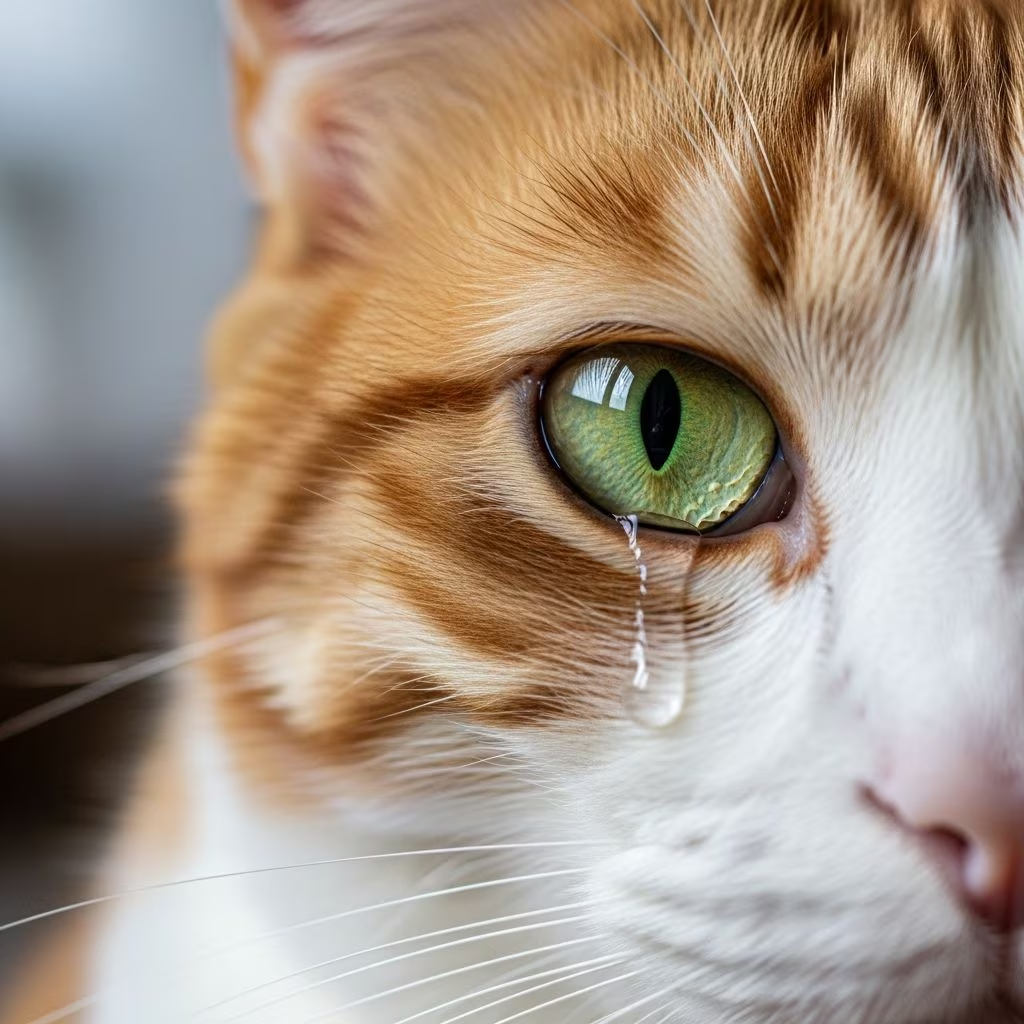
Watery eyes in cats, known medically as epiphora, occur when tears overflow due to overproduction or poor drainage. This condition signals irritation, infection, or structural problems requiring attention to prevent complications like vision loss.
Recognizing Symptoms of Watery Eyes in Cats
Observe your cat closely for these indicators, which often appear together:
- Persistent wetness or staining under the eyes, especially reddish-brown on light fur
- Redness, swelling, or inflammation around the eyes
- Squinting, excessive blinking, or pawing at the face
- Clear, watery discharge turning thick, yellow, or green
- Associated signs like sneezing, nasal discharge, or lethargy
Early detection is crucial, as untreated issues can lead to corneal damage or chronic discomfort.
Primary Causes Behind Feline Eye Tearing
Several factors contribute to epiphora. Understanding them helps in seeking targeted veterinary care.
Infections: Bacterial and Viral Culprits
Bacterial infections like chlamydiosis cause thick discharge and matted eyelids, often with sneezing. Viral infections, particularly feline herpesvirus (FHV-1), affect over 90% of cats and trigger conjunctivitis with watery eyes during flare-ups. Upper respiratory infections amplify symptoms, including fever and appetite loss.
Allergies Triggering Eye Irritation
Environmental allergens, pollen, dust, or food sensitivities inflame ocular tissues, leading to tearing and itchiness. Cats may exhibit sneezing, skin redness, excessive grooming, or ear problems alongside watery eyes. Symptoms intensify seasonally or with exposure.
Blocked Tear Ducts and Drainage Issues
The nasolacrimal duct drains tears to the nose; blockages from inflammation, debris, congenital defects, or tumors cause overflow. Signs include crusty buildup, frequent blinking, and swollen lids. Brachycephalic breeds like Persians are prone due to facial structure.
Trauma and Foreign Bodies
Scratches from play, fights, or irritants like dust provoke reflex tearing. Look for squinting, light sensitivity, cloudiness, or visible injury. Prompt intervention prevents ulcers or scarring.
Breed-Specific Vulnerabilities
Flat-faced breeds suffer chronic epiphora from shallow eye sockets and poor drainage. Genetic conditions like distichiasis (aberrant eyelashes) irritate the cornea, worsening tearing.
Advanced Conditions Linked to Watery Eyes
Conjunctivitis: The Pink Eye Equivalent
This inflammation of the conjunctiva, often infectious, presents with red, swollen eyes and discharge. Viral or bacterial origins make it contagious in multi-cat homes.
Corneal Ulcers and Uveitis
Ulcers from scratches erode the cornea, causing pain, redness, and tearing. Uveitis inflames internal eye structures, leading to cloudiness and light aversion, more common in young or outdoor cats.
Dry Eye Syndrome
Paradoxically, insufficient tear production (keratoconjunctivitis sicca) irritates eyes, prompting compensatory tearing with gooey discharge. Causes include viruses, nerve damage, or immune issues.
When to Seek Veterinary Help Urgently
Not all tearing needs immediate care, but consult a vet if:
- Symptoms persist over 24-48 hours or worsen
- Discharge changes color or thickens
- Your cat squints, paws excessively, or shows vision changes
- Both eyes or systemic signs like fever appear
Delays risk permanent damage, especially with ulcers or infections.
Diagnostic Approaches by Veterinarians
Vets perform:
- Fluorescein staining to detect ulcers
- Schirmer tear tests for dry eye
- Cytology or cultures for infections
- Tear duct flushing for blockages
- Bloodwork or imaging for underlying diseases
Treatment Options for Watery Cat Eyes
Tailored to the cause:
| Condition | Treatments |
|---|---|
| Infections | Antibiotic/antiviral drops, oral meds |
| Allergies | Antihistamines, hypoallergenic diet, environmental controls |
| Blocked Ducts | Flushing, surgery if chronic |
| Ulcers/Trauma | Protective collars, medicated ointments, pain relief |
| Dry Eye | Tear supplements, cyclosporine drops |
Follow-up ensures resolution.
Home Care and Supportive Measures
While awaiting vet care:
- Gently clean eyes with saline or vet-approved wipes; avoid tap water
- Prevent rubbing with a cone collar
- Reduce allergens: vacuum often, use air purifiers, wash bedding
- Isolate from other cats if infectious
Never use human eye drops, as they can harm felines.
Preventive Strategies for Healthy Cat Eyes
Maintain wellness through:
- Annual vet exams and vaccinations against FHV/calicivirus
- Indoor living to avoid trauma/irritants
- Balanced diet supporting immune health
- Regular grooming for brachycephalic breeds
- Monitor for early signs during seasonal changes
Frequently Asked Questions (FAQs)
Is cat eye watering always serious?
No, mild cases from dust resolve alone, but persistent or accompanied symptoms warrant a vet visit.
Can I treat my cat’s watery eyes at home?
Cleaning helps, but underlying causes need professional diagnosis; self-treatment risks worsening.
Why do some breeds have chronically watery eyes?
Facial anatomy in Persians, Himalayans impairs drainage, often requiring lifelong management.
How contagious are watery eyes from infections?
Viral/bacterial conjunctivitis spreads easily via contact; quarantine affected cats.
Can diet affect my cat’s eye health?
Yes, allergies to food ingredients can trigger tearing; vet-guided elimination trials help.
Long-Term Management for Chronic Cases
For recurring epiphora, combine meds, surgery (e.g., duct dilation), or laser therapy. Track symptoms in a journal for vet discussions. Nutritional supplements like omega-3s support ocular health, pending approval.
Maintaining vigilance ensures your cat’s bright-eyed comfort. Consult professionals for personalized plans.
References
- My Cat’s Eyes are Watering: What Does it Mean? — Bottle Tree Animal Hospital. 2023. https://bottletreeanimalhospital.com/blog/cats-eyes-are-watering/
- Why Your Cat’s Eyes Are Watering: Causes & Solutions — Vetericyn. 2023. https://vetericyn.com/blogs/vetericyn/why-are-my-cats-eyes-watering
- Watery Eyes (Epiphora) in Cats — PetMD. 2023. https://www.petmd.com/cat/conditions/eyes/watery-eyes-epiphora-cats
- Why Do My Kittens Sneeze and Have Watery Eyes — Chewy. 2023. https://www.chewy.com/education/cat/health-and-wellness/why-do-my-kittens-sneeze-and-have-watery-eyes
- Cat Runny, Watery Eyes: Causes and Treatments — WebMD. 2023. https://www.webmd.com/pets/cats/causes-of-feline-watery-eyes
- Why Are My Cat’s Eyes Watering? 7 Top Causes — Purina. 2023. https://www.purina.com/articles/cat/health/symptoms/cat-eyes-watering
- Cat Eye Watering & Squinting – What To Do — Berkeley Dog & Cat Hospital. 2021-07-01. https://www.berkeleydogandcat.com/site/blog/2021/07/01/cat-eye-watering



