

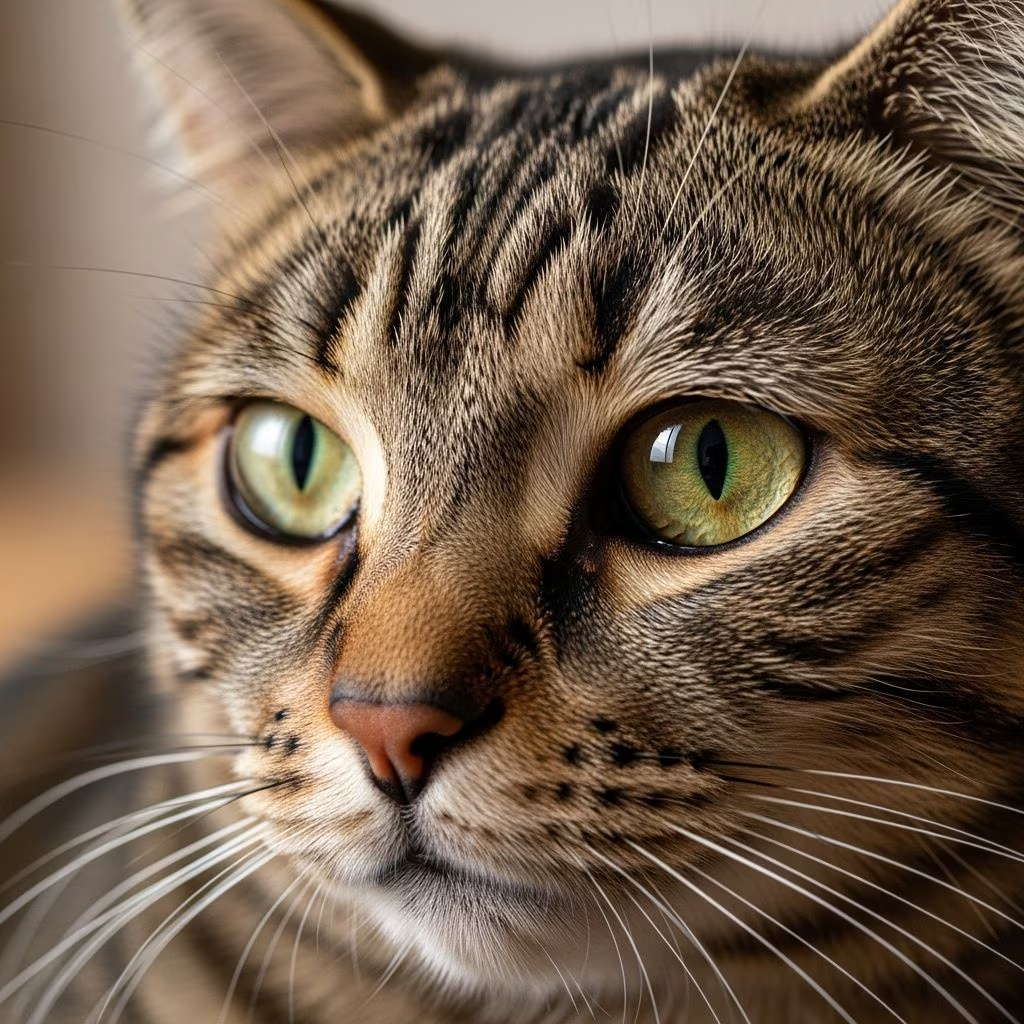
Cat eye problems are common and can range from mild irritations to serious conditions threatening vision. Early detection of symptoms like discharge, squinting, or redness is crucial for effective treatment and preserving your cat’s sight. This guide covers the most frequent feline eye issues, their causes, signs, and veterinary interventions based on expert veterinary insights.
Understanding Cat Eye Anatomy
A cat’s eye is a complex structure including the cornea (clear front surface), conjunctiva (thin membrane covering the white part), iris (colored part controlling light), lens, retina (light-sensitive back layer), and third eyelid (nictitating membrane for protection). The tear ducts maintain moisture and remove debris. Disruptions in any part can lead to problems like infections or ulcers.
Cats’ eyes are highly sensitive, adapted for low-light vision. Breeds like Persians or Siamese are prone to issues due to facial structure affecting tear drainage.
Common Symptoms of Cat Eye Problems
Watch for these red flags indicating eye trouble:
- Eye discharge: Clear, watery, yellow, green, or thick mucus.
- Squinting or blinking: Indicates pain or light sensitivity.
- Redness or swelling: Around eyes or whites.
- Pawing or rubbing: Attempts to relieve irritation.
- Cloudy cornea: Hazy or bluish appearance.
- Visible third eyelid: Covers part of the eye, often with infections.
- Tearing or epiphora: Excessive watering.
- Behavioral changes: Lethargy, hiding, or bumping into objects signaling vision loss.[10]
If you notice these, schedule a vet visit promptly to prevent complications like blindness.
1. Conjunctivitis (Pink Eye)
Conjunctivitis is inflammation of the conjunctiva, the most common cat eye problem. Causes include bacteria (Chlamydia, Mycoplasma), viruses (feline herpesvirus – FHV, calicivirus), allergies, or irritants.
Symptoms
- Red, swollen eyes
- Watery or thick discharge (clear to green)
- Squinting, blinking, pawing
- Sneezing if upper respiratory involved
Treatment
Treatment targets the cause:
- Bacterial: Antibiotic drops/ointments.
- Viral: Antivirals (famciclovir), L-lysine supplements.
- Allergies: Remove triggers, anti-inflammatory drops.
Clean eyes gently with saline; keep indoors during recovery.
2. Corneal Ulcers (Scratches)
Corneal ulcers are abrasions on the eye’s surface, often from trauma, claws, or foreign bodies. Painful and prone to infection.
Symptoms
- Squinting, tearing
- Cloudy cornea
- Redness, discharge
Treatment
- Antibiotic ointments/drops to prevent infection
- Atropine drops for pain/spasm relief
- Surgery (grid keratotomy, grafts) for deep ulcers
- E-collar to prevent rubbing
Healing monitored with fluorescein dye stain.
3. Feline Herpesvirus (FHV) Keratitis
FHV causes chronic, recurrent corneal inflammation, often with upper respiratory signs. Stress triggers flare-ups.
Symptoms
- Dendritic (branching) corneal ulcers
- Clear discharge, squinting
- Red bumps on conjunctiva
Treatment
- Antivirals (famciclovir oral/topical)
- L-lysine (250-500mg daily) to suppress virus
- Antibiotics for secondary infections
PCR testing confirms diagnosis; lifelong management needed.
4. Uveitis
Uveitis is painful inflammation inside the eye, from infections, trauma, cancer, or immune issues.
Symptoms
- Redness, cloudiness
- Dilated pupil, squinting
- Decreased vision
Treatment
- Anti-inflammatories (steroids, NSAIDs)
- Address underlying cause (antibiotics, etc.)
5. Glaucoma
Glaucoma involves high intraocular pressure damaging the optic nerve, leading to blindness. Primary (genetic) or secondary to uveitis/ulcers.
Symptoms
- Pain (squinting, tearing)
- Enlarged, cloudy eye
- Dilated pupil, vision loss
Treatment
- Pressure-lowering drops (timolol, latanoprost)
- Laser surgery or enucleation (eye removal) for blind, painful eyes
6. Keratoconjunctivitis Sicca (Dry Eye)
Dry eye (KCS) results from insufficient tears, causing irritation/ulcers. Less common in cats than dogs.
Symptoms
- Sticky discharge
- Red, dull cornea
- Squinting
Treatment
- Artificial tears (every 2-4 hours)
- Cyclosporine/tacrolimus ointments
Schirmer tear test diagnoses.
7. Entropion and Ectopic Cilia
Entropion: Eyelid rolls inward, rubbing cornea. Ectopic cilia: Misplaced lashes inside lid.
Symptoms
- Ulcers, tearing, squinting
Treatment
- Temporary tacking (mild entropion)
- Surgery: Cryotherapy/laser for cilia, reshaping for entropion
8. Foreign Bodies & Trauma
Dust, grass seeds, fights cause scratches/infections.
Symptoms
- Pawing, discharge, blinking
Treatment
- Saline flush, manual removal
- Antibiotics, pain relief
Prevention and Home Care
Prevent issues by:
- Keeping vaccinations current (FHV, calicivirus)
- Reducing stress (pheromone diffusers)
- Trimming claws, supervising play
- Cleaning eyes daily with vet-approved wipes
- Indoor living to avoid trauma
Home care tips: Use sterile saline for cleaning; never human drops. E-collar for self-trauma. L-lysine for viral prone cats.
When to See a Vet Urgently
| Symptom | Urgency |
|---|---|
| Cloudy eye, severe squinting | Emergency – glaucoma/ulcer |
| Green discharge, swelling | Urgent – infection |
| Mild tearing, no pain | Soon – monitor |
Any vision change or trauma warrants immediate vet care.
Frequently Asked Questions (FAQs)
Q: Can I treat my cat’s eye infection at home?
A: No, always consult a vet. Home cleaning helps, but medications require prescription.
Q: Why does my cat have constant eye discharge?
A: Possible allergies, dry eye, or blocked ducts. Vet exam needed.
Q: Is dry eye common in cats?
A: Less than dogs, but treatable with lifelong drops.
Q: How to prevent FHV flare-ups?
A: L-lysine, stress reduction, annual vaccines.
Q: What if my cat’s third eyelid is showing?
A: Often infection or dehydration; vet check required.
References
- Keeping Your Cat’s Eyes in Purr-fect Health — Stack Veterinary Hospital. 2023. https://stackvethospital.com/keeping-your-cats-eyes-in-purr-fect-health/
- Cat Eye Discharge and Eye Problems — WebMD. 2024-01-15. https://www.webmd.com/pets/cats/eye-discharge-in-cats
- Cat Eye Problems: Most Common Eye Issues in Cats — PetMD. 2024. https://www.petmd.com/cat/general-health/common-cat-eye-problems
- Feline Eye Conditions — Animal Eye Associates. 2023. https://animaleyegroup.com/feline-eye-conditions/
- 6 Common Cat Eye Problems — Northgate Veterinary Clinic. 2024-07-15. https://www.northgateveterinary.com/site/blog/2024/07/15/cat-eye-problems



