

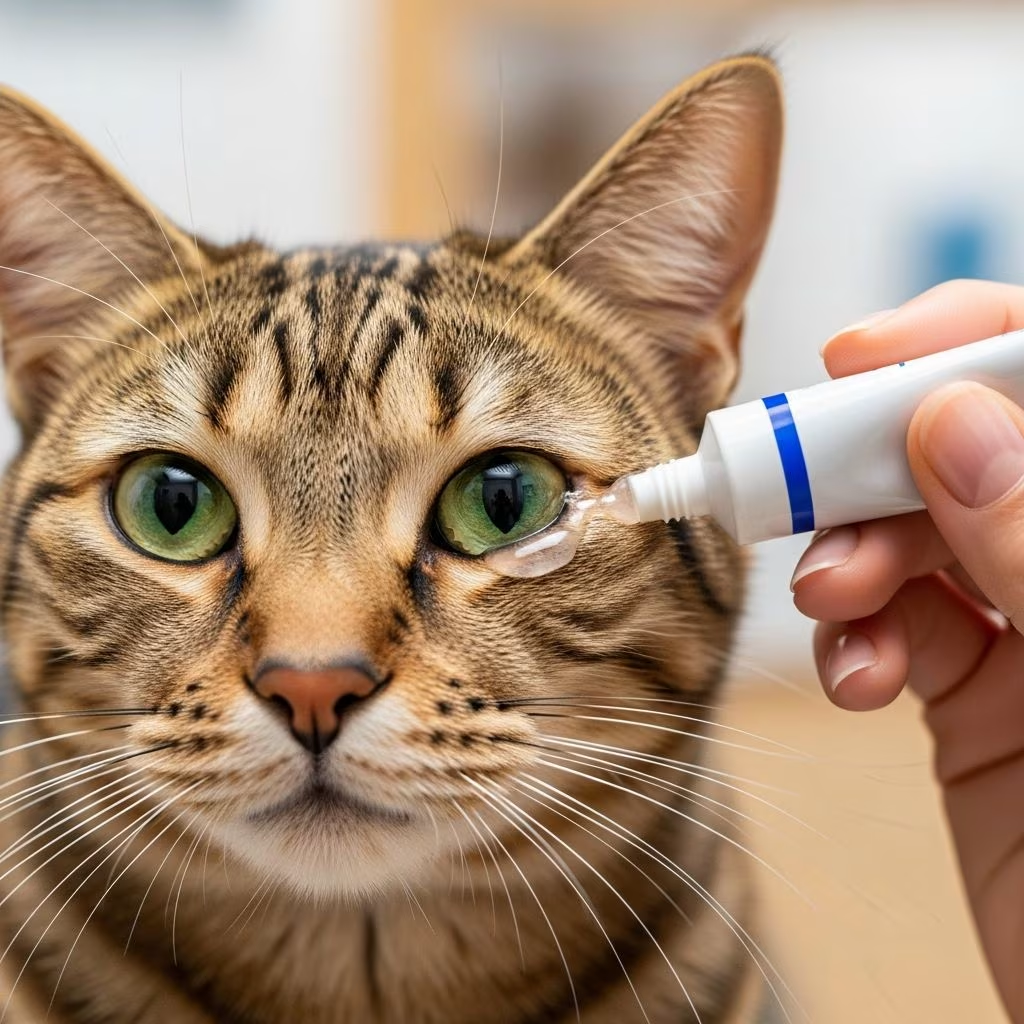
Cat eye infections, often manifesting as redness, discharge, or swelling, require prompt treatment with specialized ointments to prevent complications like vision loss. Veterinary-prescribed options like antibiotic-infused topicals target bacterial causes effectively, while supportive care aids recovery.
Recognizing Signs of Feline Eye Issues
Early detection of eye problems in cats is crucial for successful management. Common indicators include excessive tearing, thick pus-like discharge, squinting, or cloudiness in the cornea. These symptoms frequently stem from bacterial, viral, or environmental triggers, necessitating a vet exam to pinpoint the cause.
- Discharge types: Watery suggests allergies; yellow-green points to bacteria.
- Behavioral changes: Pawing at eyes or sensitivity to light signals discomfort.
- Bilateral vs. unilateral: Both eyes often indicate systemic issues like upper respiratory infections.
In kittens, infections spread rapidly, potentially leading to permanent scarring if untreated[10].
Primary Causes Behind Cat Eye Infections
Feline ocular infections arise from diverse pathogens. Bacterial culprits like Chlamydophila and Mycoplasma thrive in moist environments, while viruses such as feline herpesvirus cause recurrent flare-ups. Underlying conditions including feline leukemia virus (FeLV) or calicivirus exacerbate vulnerability.
| Cause Type | Common Pathogens | Associated Risks |
|---|---|---|
| Bacterial | Chlamydophila, Mycoplasma | Conjunctivitis, keratitis |
| Viral | Herpesvirus, Calicivirus | Chronic episodes, ulcers |
| Immune-Mediated | Eosinophilic keratitis | Inflammation, corneal damage |
| Other | FeLV, allergies | Secondary infections |
Trauma or foreign bodies can introduce bacteria, mimicking primary infections.
Veterinary Diagnosis Process
A thorough vet evaluation involves fluorescein staining to detect ulcers, swab cultures for pathogen identification, and Schirmer tear tests for dryness. Bloodwork rules out systemic diseases like FeLV[10].
Accurate diagnosis guides ointment selection, avoiding misuse that could worsen resistance or damage.
Top Recommended Ointments for Treatment
Topical ointments deliver direct relief, with broad-spectrum antibiotics combating most invaders. Application typically involves 2-4 times daily for 7-10 days.
Terramycin Ophthalmic Ointment
This oxytetracycline-based formula treats conjunctivitis, pink eye, corneal ulcers, and blepharitis effectively. Its broad-spectrum action inhibits bacterial protein synthesis, ideal for superficial infections.
Vetropolycin Triple Antibiotic Ointment
Combining bacitracin, neomycin, and polymyxin B, this ointment targets eyelid and conjunctival bacteria resistant to single agents. Vets favor it for mixed infections.
Tetracycline Ophthalmic Ointment
Specific for Chlamydophila or Mycoplasma, tetracycline disrupts bacterial ribosomes, halting growth. It’s a staple for respiratory-linked eye issues.
Anti-Inflammatory Options
Corticosteroid drops like those with flurbiprofen or diclofenac reduce swelling in non-infectious cases such as episcleritis or pannus. Use only under vet supervision to avoid ulcer aggravation.
Oral adjuncts like azithromycin address systemic spread, particularly Bartonella-related problems.
Step-by-Step Application Techniques
Proper administration maximizes efficacy and minimizes stress.
- Gently restrain your cat, using a towel if needed.
- Clean the eye with vet-approved saline to remove crust.
- Hold the tube 1 cm from the eye, squeeze a 1 cm ribbon into the lower lid pocket.
- Massage lids to distribute; avoid touching the tip to prevent contamination.
- Wipe excess; repeat for second eye if affected.
Administer drops by pulling the lid down and instilling 1-2 drops, holding the eye closed briefly.
Supportive Home Care Strategies
Beyond ointments, holistic measures accelerate healing. Humidifiers combat dryness, while warm compresses soothe inflammation. Isolate infected cats to curb spread.
- Lysine supplements for herpesvirus-prone cats boost immunity.
- Nutrient-rich diets with omega-3s support ocular health.
- Avoid over-the-counter human products, which may contain toxins.
Monitor for worsening: persistent squinting or vision changes warrant immediate re-evaluation.
Potential Complications and When to Escalate Care
Untreated infections risk corneal sequestration, glaucoma, or blindness. Viral cases may recur seasonally, requiring lifelong management.
Seek emergency care for prolapsed third eyelids, deep ulcers, or hyphema (blood in anterior chamber)[10].
Preventive Measures for Long-Term Eye Health
Vaccinations against calicivirus and herpesvirus reduce incidence. Routine grooming prevents dust buildup, and stress minimization via enrichment curbs flare-ups.
- Annual vet checkups for early detection.
- Quarantine new cats before integration.
- Hygiene: wash bowls daily, avoid shared litter.
Frequently Asked Questions (FAQs)
Can I use human eye ointment on my cat?
No, human formulations may irritate or toxify feline eyes. Always use vet-prescribed products.
How long do eye infections take to heal?
Simple cases resolve in 7-10 days with treatment; chronic ones may need weeks.
Is cat eye infection contagious?
Yes, especially bacterial or viral types spread via contact or shared items.
What if my cat resists treatment?
Enlist help, use treats post-application, or request drops over ointments for easier use.
Are there natural remedies?
Supportive only: saline rinses and chamomile compresses, but not substitutes for meds.
Choosing the Right Treatment Path
Tailor interventions to diagnosis: antibiotics for bacteria, antivirals for herpes, immunosuppressants for eosinophilic issues. Consistency in application ensures full recovery.
Post-treatment, schedule follow-ups to confirm clearance and adjust for recurrences.
References
- Cat Eye Infection: Symptoms & Treatment — Saratoga Veterinary Hospital. 2023. https://saratogavethosp.com/blog/cat-eye-infection/
- Cat Eye Infections: Home Remedies — Animal Eye Guys. 2023-10-15. https://www.animaleyeguys.com/site/blog/2023/10/15/cat-eye-infection-home-remedy
- A Guide to Cat Eye Infection Treatment and Prevention — Faithful Friends Vet Clinic. N/A. https://faithfulfriendsvetclinic.com/a-guide-to-cat-eye-infection-treatment-and-prevention/
- Conjunctivitis in Cats (Cat Pink Eye) — PetMD. N/A. https://www.petmd.com/cat/conditions/eyes/c_ct_conjunctivitis
- Different Antibiotics in Cat Eye Infection Treatment — FP HC Clovis. 2024-05-15. https://www.fphclovis.com/site/blog/2024/05/15/different-antibiotics-cat-eye-infection-treatment
- Antibiotics For Eye Infections in Cats — Carolina Veterinary Specialists. 2020-09-25. https://www.greensboro.carolinavet.com/site/greensboro-specialty-veterinary-blog/2020/09/25/antibiotics-for-treatment-of-cat-eye-infections
- Conjunctivitis — Cornell University College of Veterinary Medicine. N/A. https://www.vet.cornell.edu/departments-centers-and-institutes/cornell-feline-health-center/health-information/feline-health-topics/conjunctivitis



