

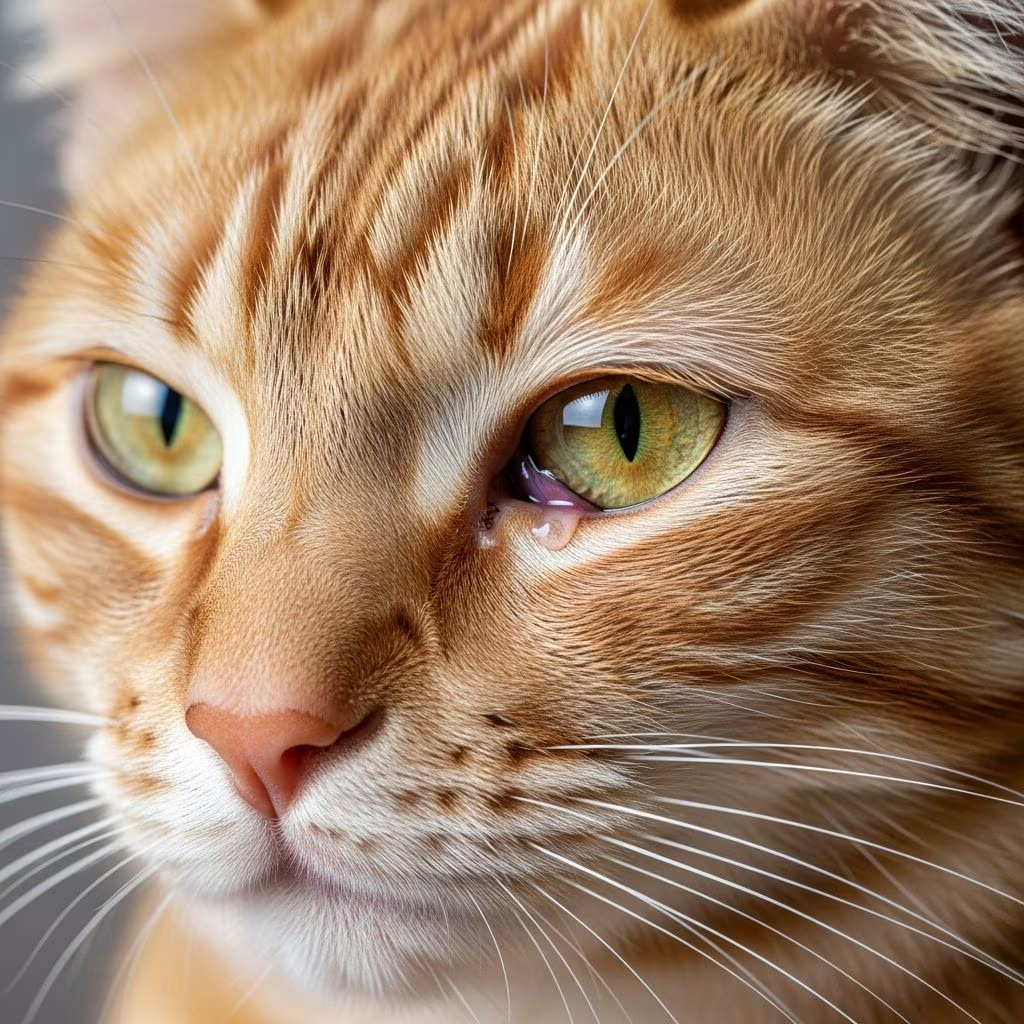
The delicate tissues surrounding a cat’s eyes can become inflamed, leading to a condition known as conjunctivitis, often called pink eye in felines. This inflammation affects the conjunctiva, the thin membrane lining the eyelids and covering the eyeball’s front surface. Many cat owners wonder if this issue will clear up without intervention. While mild cases might improve slightly over time, most instances of cat conjunctivitis do not resolve fully on their own and require veterinary attention to prevent complications like corneal damage or chronic discomfort.
Recognizing the Signs of Feline Conjunctivitis
Early detection is crucial for managing cat eye inflammation effectively. Common indicators include redness in the whites of the eyes, excessive tearing or watery discharge, and a sticky or pus-like buildup around the eye area. Affected cats often squint, blink excessively, or paw at their face due to irritation. In severe cases, swelling of the eyelids or cloudiness over the cornea may appear. These symptoms can affect one or both eyes and may accompany upper respiratory issues like sneezing or nasal discharge.
- Redness and swelling: The conjunctiva turns bright pink or red, sometimes with visible blood vessels.
- Discharge variety: Clear fluid in early stages progresses to thick, yellow-green pus if bacterial involvement occurs.
- Behavioral changes: Sensitivity to light, reluctance to open eyes fully, or rubbing against surfaces.
- Associated signs: Fever, lethargy, or mouth ulcers if linked to systemic infections.
Observing these signs promptly helps differentiate conjunctivitis from other eye problems like ulcers or glaucoma, which demand immediate care.
Primary Triggers Behind Cat Eye Issues
Conjunctivitis in cats stems from diverse origins, broadly classified into infectious and non-infectious categories. Infectious agents dominate, particularly viruses and bacteria that thrive in multi-cat environments like shelters or catteries. Non-infectious causes include environmental factors that irritate the ocular surface.
Infectious Culprits
Viral infections lead the pack, with feline herpesvirus type 1 (FHV-1), also termed feline viral rhinotracheitis, being the most prevalent. This highly contagious virus causes lifelong carrier status in survivors, leading to recurrent flare-ups triggered by stress or illness. Feline calicivirus (FCV) ranks second, often paired with respiratory and oral symptoms, resulting in ulcers on the conjunctiva.
Bacterial pathogens such as Chlamydophila felis and Mycoplasma species frequently cause or complicate viral cases. These microbes produce chronic, follicle-studded inflammation and are zoonotic in some instances, transmissible to humans. Secondary bacterial overgrowth, involving Staphylococci or Streptococci, exacerbates primary viral damage.
Non-Infectious Contributors
Allergies to pollen, dust mites, or household chemicals provoke eosinophilic responses, mimicking infectious patterns. Trauma from scratches, foreign objects like plant fibers, or chemical exposure induces acute inflammation. Cats with weakened immunity from feline immunodeficiency virus (FIV) or feline leukemia virus (FeLV) face heightened risks. Additional factors include dry eye (keratoconjunctivitis sicca), tumors, or systemic diseases like uveitis.
| Cause Type | Examples | Key Features |
|---|---|---|
| Viral | FHV-1, FCV | Recurrent, bilateral, respiratory signs |
| Bacterial | Chlamydophila, Mycoplasma | Chronic, follicular, contagious |
| Allergic/Irritant | Pollen, smoke, trauma | Seasonal, unilateral possible |
| Systemic | FIV/FeLV, dry eye | Persistent, multifocal |
Why Home Resolution Is Unreliable
Although minor irritant-induced cases might subside with rest and hygiene, infectious conjunctivitis rarely self-resolves completely. Viral strains like FHV-1 persist latently, reactivating to cause scarring or keratitis. Untreated bacterial infections spread, risking corneal ulcers or vision loss. Delaying care can transform acute episodes into chronic conditions requiring aggressive therapy. Studies indicate that supportive care alone suffices for mild FCV but fails against herpesvirus or Chlamydophila.
Veterinarians stress that over-the-counter human eye drops harm cats, potentially worsening infections or causing toxicity. Professional diagnosis via cytology, PCR testing, or cultures pinpoints the cause, guiding targeted treatment.
Diagnostic Approaches for Accurate Identification
A thorough vet exam begins with a detailed history, noting onset, exposures, and vaccination status. Fluorescein staining reveals corneal ulcers, while Schirmer tear tests assess dry eye. Cytology from conjunctival swabs identifies bacterial inclusions or inflammatory cells. PCR confirms viral or specific bacterial DNA, essential for carriers. Bloodwork screens for FIV/FeLV in recurrent cases.
- Physical ocular exam with magnification.
- Swab for microscopic analysis.
- Molecular testing for precision.
- Imaging if tumors or deeper issues suspected.
Tailored Treatment Strategies
Treatment hinges on etiology, aiming to alleviate symptoms, combat pathogens, and prevent sequelae. Most protocols span 2-4 weeks, demanding compliance.
Antimicrobial Therapies
Bacterial cases respond to topical tetracycline, erythromycin ointments, or systemic doxycycline/azithromycin. Chlamydophila demands prolonged dosing to eradicate carriage.
Antiviral Interventions
FHV-1 management includes oral L-lysine supplements to inhibit replication, though evidence varies. Severe outbreaks warrant famciclovir or interferon-alpha.
Supportive and Anti-Inflammatory Care
Lubricants mimic tears, flushing debris. Anti-inflammatories like corticosteroids follow infection control to reduce swelling, avoiding steroids in ulcers. Pain relief and e-collars prevent self-trauma.
| Condition | Primary Treatments | Duration |
|---|---|---|
| Viral (FHV-1) | L-lysine, antivirals, antibiotics for secondary | 2-4 weeks |
| Bacterial (Chlamydophila) | Doxycycline oral, topical tetracycline | 3-6 weeks |
| Allergic | Antihistamines, environmental control | Variable |
Supporting Recovery at Home
Gentle cleansing with saline wipes removes crusts multiple times daily. Isolate infected cats to curb spread. Maintain hydration and nutrition, especially with concurrent respiratory disease. Monitor for worsening, like vision changes.
Preventive Measures for Lasting Eye Health
Vaccination against FHV-1, FCV, and Chlamydophila forms the cornerstone, reducing severity despite incomplete prevention. Stress minimization via stable routines, FIV/FeLV testing for breeders, and hygiene in multi-cat homes limit outbreaks. Routine eye checks during wellness visits catch subclinical issues.
Potential Complications and Long-Term Outlook
Neglect risks symblepharon (adhesions), chronic dry eye, or blindness. Most treated cats recover fully, though herpes carriers need lifelong vigilance. Prognosis excels with prompt intervention.
Frequently Asked Questions
Can cat conjunctivitis spread to humans?
Chlamydophila felis poses low zoonotic risk, mainly to young children or immunocompromised; hygiene suffices.
How long does it take for treatment to work?
Improvement appears in 3-5 days; full resolution spans weeks.
Is L-lysine effective for all viral cases?
Beneficial for FHV-1, ineffective against FCV.
When is emergency vet care needed?
If eyes protrude, vision is impaired, or pain is intense.
Can diet influence eye health?
Omega-3 supplements aid inflammation; consult vets.
References
- Cat Conjunctivitis: Should You See the Vet for Feline Pink Eye? — Saratoga Veterinary Hospital. 2023. https://saratogavethosp.com/blog/cat-conjunctivitis/
- Diagnosing, Treating, and Managing Causes of Conjunctivitis in Dogs and Cats — Today’s Veterinary Practice. 2022-01-15. https://todaysveterinarypractice.com/ophthalmology/conjunctivitis-in-dogs-and-cats/
- Conjunctivitis in Cats: A Comprehensive Guide for Pet Owners — MedVet. 2024. https://www.medvet.com/conjunctivitis-in-cats/
- Conjunctivitis in Cats — VCA Animal Hospitals. 2023-06-01. https://vcahospitals.com/know-your-pet/conjunctivitis-in-cats
- Conjunctivitis — Cornell University College of Veterinary Medicine. 2022. https://www.vet.cornell.edu/departments-centers-and-institutes/cornell-feline-health-center/health-information/feline-health-topics/conjunctivitis
- How to Recognize and Treat Cat Conjunctivitis — Zoetis Petcare. 2023-05-10. https://www.zoetispetcare.com/blog/article/how-to-treat-cat-conjunctivitis



