

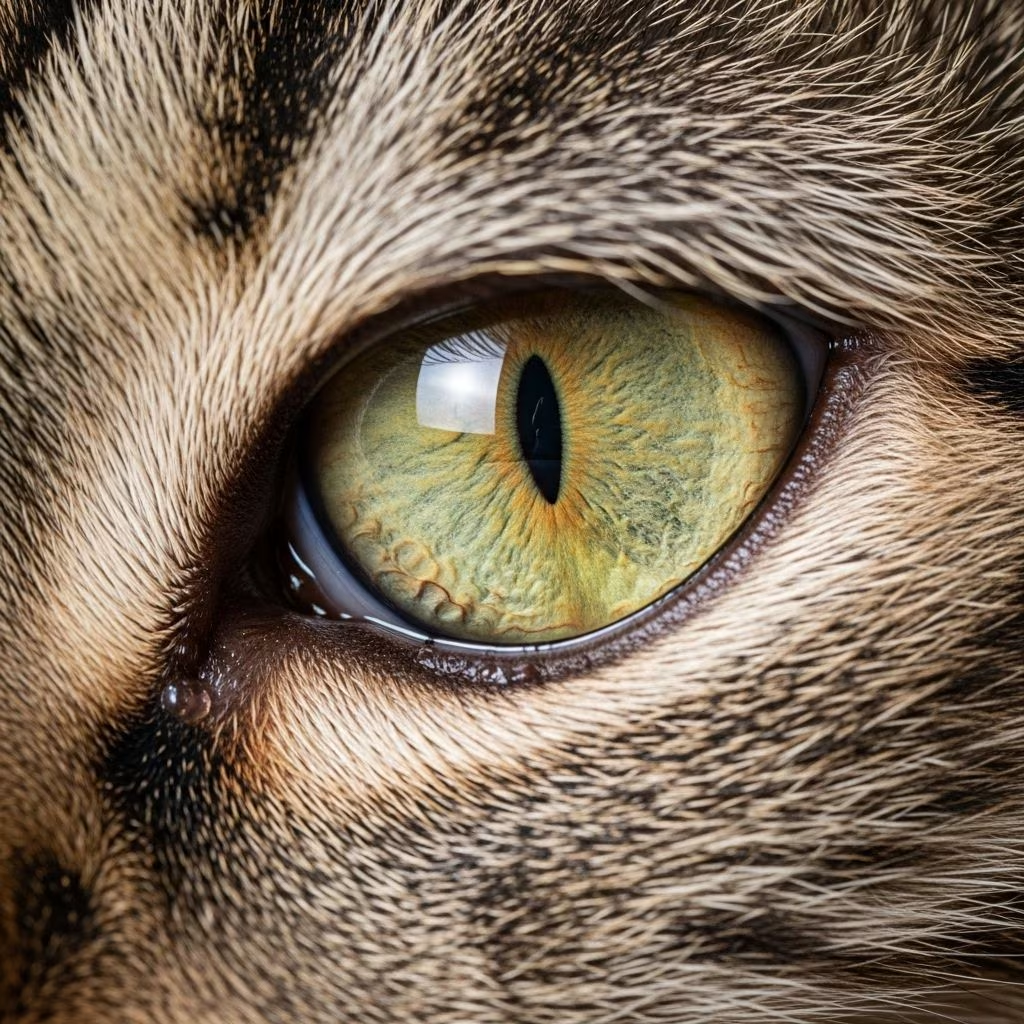
Cat eye infections seldom heal without professional intervention, as they often stem from contagious viruses or bacteria that can lead to serious complications if ignored. Prompt veterinary care is crucial to restore your cat’s vision and comfort, preventing issues like corneal ulcers or chronic discomfort.
Recognizing the Early Warning Signs
Observant cat owners can spot eye infections early by watching for subtle behavioral and physical changes. These indicators help differentiate minor irritations from infections needing urgent attention.
- Redness and inflammation: The whites of the eyes or surrounding tissues turn pink or red due to inflamed blood vessels.
- Discharge buildup: Clear tears progress to thick, yellow, green, or crusty material that seals eyelids shut overnight.
- Excessive blinking or squinting: Cats partially close eyes to shield from light or pain, often pawing at the face repeatedly.
- Swollen lids or third eyelid: Puffy eyelids or a pale membrane covering part of the eye signals deeper inflammation.
- Behavioral shifts: Lethargy, hiding, reduced appetite, or light avoidance accompany ocular distress.
These symptoms can appear in one or both eyes, escalating rapidly within hours. In multi-cat homes, isolation prevents spread.
Primary Culprits Behind Feline Ocular Issues
Understanding root causes guides effective management. Infections arise from infectious agents, environmental factors, or injuries, each demanding tailored responses.
Infectious Triggers
Viral pathogens dominate, with feline herpesvirus (FHV-1) causing recurrent conjunctivitis in stressed or young cats. Feline calicivirus pairs eye woes with respiratory signs, thriving in shelters. Bacterial invaders like Chlamydia felis and Mycoplasma exacerbate viral cases, producing pus-like discharge.
Non-Infectious Irritants
Allergens from dust, pollen, or smoke provoke inflammation mimicking infection. Trauma from scratches, fights, or foreign objects like grass seeds opens doors to secondary bacteria. Rarely, fungal or parasitic issues affect immunocompromised cats.
| Cause Type | Examples | Common Symptoms | Contagious? |
|---|---|---|---|
| Viral | FHV-1, Calicivirus | Watery discharge, sneezing | Yes |
| Bacterial | Chlamydia, Mycoplasma | Thick pus, swelling | Yes |
| Trauma/Allergy | Scratches, dust | Squinting, redness | No |
Why Home Resolution Is Unlikely
A mild irritation might clear naturally, but true infections persist due to resilient pathogens. Without treatment, viruses like FHV-1 latency lifelong, reactivating under stress[10]. Bacteria multiply unchecked, risking corneal scarring or vision loss. Self-rubbing worsens damage, embedding debris deeper. Data shows most cases require antibiotics or antivirals for resolution within days. Delaying care invites systemic spread, especially in kittens or seniors.
Essential Veterinary Diagnostic Steps
Vets perform fluorescein staining to detect ulcers, swab cultures for bacteria, and tonometry for pressure checks. Bloodwork rules out immune deficiencies like FeLV. Early diagnosis pinpoints therapy, averting emergencies like ruptured globes.
Proven Treatment Strategies
Tailored protocols combine topicals, systemics, and support, yielding high success rates.
- Topical antibiotics: Terramycin or Vetropolycin target bacteria, applied 3-4 times daily.
- Antivirals: For herpesvirus, oral famciclovir reduces shedding.
- Anti-inflammatories: Corticosteroid drops ease swelling post-infection control.
- Oral options: Azithromycin combats Chlamydia and respiratory ties.
- Cleaning routine: Saline wipes remove crusts gently, avoiding cotton balls that shed fibers.
Severe cases may need hospitalization for IV fluids or surgery. Follow-up ensures clearance.
Supportive Measures at Home
Complement vet care with a calm, humid environment. E-collars prevent self-trauma. L-lysine supplements curb herpes flares in carriers[10]. Nutritious diet bolsters immunity.
Preventing Recurrence and Spread
Vaccinate against FHV-1 and calicivirus via core protocols. Quarantine new cats. Minimize stressors like diet changes. Routine eye exams catch subclinical issues. Clean litter boxes daily to curb bacteria.
When to Seek Emergency Care
Rush to ER for cloudiness, prolapse, severe swelling, or vision loss. These signal ulcers, glaucoma, or abscesses demanding immediate action.
Frequently Asked Questions
Can cat eye infections spread to humans?
Rarely; most feline pathogens don’t cross species, but wash hands after handling discharge.
How long do treatments last?
Typically 7-14 days, with rechecks to confirm healing.
Are over-the-counter drops safe?
No; human products irritate feline corneas. Vet-only formulations required.
What if my cat has frequent flare-ups?
Herpes carriers benefit from prophylactic lysine and stress reduction.
Is surgery ever needed?
Yes, for deep ulcers or entropion correcting lid malpositions.
References
- Cat Eye Infection: Signs, Causes, and Treatment — All Pets Vet Hospital. 2023. https://allpets.net/blog/cat-eye-infection/
- Cat Eye Infections: Home Remedies — Animal Eye Guys. 2023-10-15. https://www.animaleyeguys.com/site/blog/2023/10/15/cat-eye-infection-home-remedy
- Cat Eye Infection: Symptoms & Treatment — Saratoga Vet Hospital. N/A. https://saratogavethosp.com/blog/cat-eye-infection/
- Treatment for Eye Infections in Cats — Charlotte Carolina Vet. 2020-08-31. https://www.charlotte.carolinavet.com/site/charlotte-emergency-vet-blog/2020/08/31/treatment-for-eye-infections-in-cats-antibiotics-and-more
- Different Antibiotics in Cat Eye Infection Treatment — Foothill Parkway Animal Clinic. 2024-05-15. https://www.fphclovis.com/site/blog/2024/05/15/different-antibiotics-cat-eye-infection-treatment



