

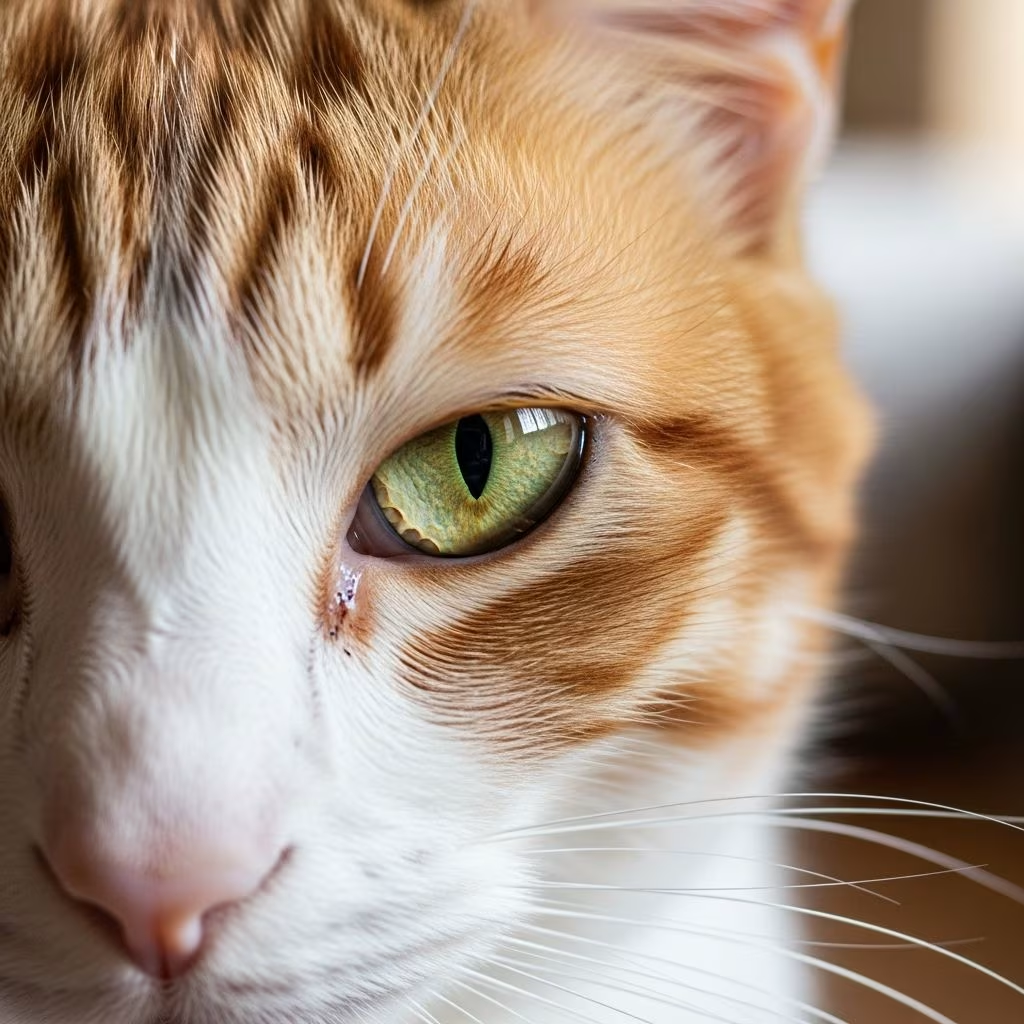
Cat eye infections are frequent health concerns that can affect felines of all ages, often stemming from bacteria, viruses, or environmental irritants. These conditions cause discomfort and may lead to complications if untreated. Early detection through observing changes in your cat’s eyes enables prompt veterinary intervention, improving recovery outcomes.
Recognizing the Signs of Trouble in Your Cat’s Eyes
Observing subtle shifts in your cat’s behavior or appearance around the eyes is crucial for timely action. Common indicators include visible inflammation, unusual secretions, and altered eye positioning.
- Redness and irritation: The whites of the eyes turn pink or red, signaling inflammation of the conjunctiva.
- Discharge variations: Clear fluid, yellow pus, green mucus, or sticky buildup crusting the eyelids.
- Squinting or blinking: Frequent closure or winking due to pain or light sensitivity.
- Swelling: Puffiness around the eyelids or tissue protrusion, including the third eyelid.
- Rubbing behaviors: Pawing at the face, which can worsen damage.
- Cloudiness: Hazy cornea or color shifts in the iris.
- Behavioral cues: Hiding, appetite loss, or lethargy accompanying eye issues.
These symptoms often appear in one or both eyes and may link to respiratory problems, as many infections spread systemically.13
Primary Causes Behind Feline Eye Disorders
Eye infections in cats arise from infectious agents, allergies, injuries, or systemic diseases. Identifying the root cause guides effective management.
Bacterial Culprits
Bacteria like Chlamydophila and Mycoplasma thrive in moist eye environments, causing conjunctivitis. These pathogens spread via direct contact or shared litter boxes, leading to thick discharge and respiratory symptoms.23
Viral Contributors
Viruses such as feline herpesvirus and calicivirus are major players, especially in kittens or stressed cats. Herpesvirus triggers recurrent outbreaks with watery discharge and corneal ulcers, while calicivirus adds mouth sores and pneumonia risks.5
Non-Infectious Triggers
- Allergies: Pollen or dust provokes itchy, watery eyes treatable with anti-inflammatories.
- Trauma: Scratches from claws or plants introduce secondary infections.
- Dry eye (keratoconjunctivitis sicca): Insufficient tear production leads to chronic irritation.
- Systemic illnesses: FeLV or FIV weaken immunity, exacerbating eye problems.
Foreign bodies like grass seeds embed and inflame tissues, necessitating removal.4
When to Rush to the Vet: Red Flags
Not all eye issues resolve naturally; severe cases demand immediate care to prevent vision loss. Seek emergency help for:
- Sudden, heavy swelling or bulging eyes.
- Profuse yellow/green pus indicating abscess.
- Eye cloudiness or pupil distortion.
- Deep corneal ulcers visible as white spots.
- Persistent pain causing refusal to eat or open eyes.
Delay risks permanent scarring or blindness, particularly in viral cases prone to secondary bacterial invasion.9
Veterinary Diagnosis Methods
Vets perform thorough exams using tools like fluorescein dye to detect ulcers, tonometry for pressure, and swabs for cultures. Blood tests rule out underlying diseases like FeLV. This pinpoint accuracy ensures targeted therapies.1
Treatment Strategies: From Topicals to Systemic Care
Tailored plans address the infection type and severity, combining medications with supportive measures.
Topical Applications
Eye drops or ointments deliver antibiotics directly, minimizing side effects. Application involves tilting the head, pulling down the lid, and squeezing a ribbon of ointment.
| Medication Type | Key Ingredients | Common Uses |
|---|---|---|
| Terramycin Ophthalmic Ointment | Oxytetracycline | Conjunctivitis, keratitis, ulcers23 |
| Vetropolycin Ointment | Bacitracin, Neomycin, Polymyxin | Bacterial eyelid/conjunctiva infections23 |
| Tetracycline Ointment | Tetracycline | Chlamydophila/Mycoplasma cases23 |
| Corticosteroid Drops/Ointments | Various steroids | Inflammation control (post-infection)24 |
Oral and Injectable Options
Severe infections require Azithromycin or other antibiotics to combat systemic spread, especially with respiratory involvement.23
Supportive and Specialized Therapies
- Cleaning: Warm saline wipes remove crusts.
- Lubricants: Artificial tears for dry eye.
- Surgery: For ulcers or blocked ducts.
- Antivirals: Lysine supplements for herpes.
Recovery spans 7-14 days with compliance; monitor for worsening.45
Home Care Tips During Recovery
Complement vet care with gentle routines to aid healing.
- Gently wipe eyes with vet-approved saline or boiled/cooled water on cotton balls, stroking outward.
- Isolate from other pets to prevent spread.
- Humidify air to loosen discharge.
- Provide soft food if mouth sores present.
- Avoid irritants like smoke or dust.
Never use human eye products, as they harm cats.16
Preventing Future Eye Issues in Cats
Proactive steps reduce recurrence risks.
- Vaccinations: Core shots protect against calicivirus and herpesvirus.
- Hygiene: Clean litter weekly; wash bowls daily.
- Stress reduction: Stable environments, pheromone diffusers.
- Regular checkups: Annual exams catch early signs.
- Nutrition: Omega-3 rich diets support eye health.
Kittens and seniors need extra vigilance.58
Special Considerations for Kittens and Seniors
Kittens suffer severe dehydration from infections; prompt care is vital. Elderly cats face dry eye or tumors mimicking infections, requiring oncology input.5
Frequently Asked Questions (FAQs)
Can cat eye infections resolve without treatment?
Mild cases might, but most worsen without intervention, risking vision loss.7
Is it safe to clean my cat’s eyes at home?
Yes, with saline, but consult your vet first to avoid damage.14
How long do treatments take to work?
Improvement in 3-5 days; full recovery in 1-2 weeks.6
Are eye infections contagious to humans?
Rarely; bacterial types pose minimal risk to healthy owners.5
What if symptoms persist after medication?
Return to vet; may indicate resistance or deeper issues.9
References
- Cat Eye Infection: Symptoms & Treatment — Saratoga Veterinary Hospital. 2023. https://saratogavethosp.com/blog/cat-eye-infection/
- Cat Eye Infections: Home Remedies — Animal Eye Guys. 2023-10-15. https://www.animaleyeguys.com/site/blog/2023/10/15/cat-eye-infection-home-remedy
- Different Antibiotics in Cat Eye Infection Treatment — FP HC Clovis. 2024-05-15. https://www.fphclovis.com/site/blog/2024/05/15/different-antibiotics-cat-eye-infection-treatment
- Conjunctivitis in Cats: A Comprehensive Guide — MedVet. N/A. https://www.medvet.com/conjunctivitis-in-cats/
- Cat Eye Discharge and Eye Problems — WebMD. N/A. https://www.webmd.com/pets/cats/eye-discharge-in-cats



