

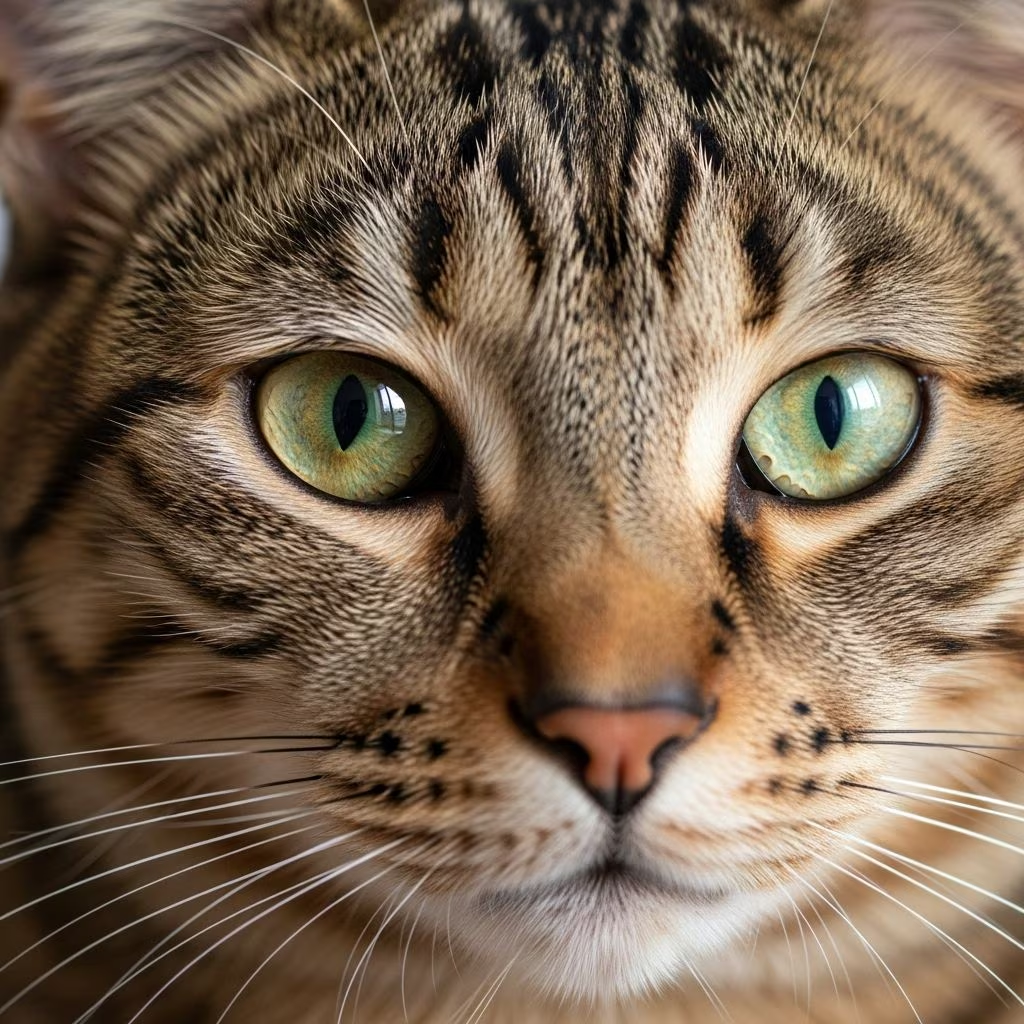
Eye infections represent one of the most frequent ocular issues in cats, often leading to discomfort and potential vision impairment if not addressed promptly. These conditions, primarily manifesting as conjunctivitis or “pink eye,” involve inflammation of the thin membrane covering the eye and inner eyelids. Understanding the nuances of these infections empowers cat owners to recognize early signs and seek timely veterinary intervention, ensuring swift recovery and long-term eye health.
Recognizing the Signs of Trouble
Observing your cat’s eyes closely can reveal subtle changes that signal an underlying problem. Common indicators include pronounced redness in the whites of the eyes or surrounding tissues, excessive tearing or watery discharge, and thick mucus or pus that may appear clear, yellow, green, or even blood-tinged. Cats often squint or keep their eyes partially closed due to pain or light sensitivity, and you might notice swelling of the eyelids or the area around them.
Additional behavioral cues include pawing at the face, rubbing against surfaces, or general irritability. In many instances, eye issues coincide with systemic symptoms like sneezing, nasal congestion, lethargy, or reduced appetite, pointing to a broader respiratory involvement. Kittens and senior cats may exhibit more severe manifestations, such as hair loss around the eyes from excessive scratching or itchiness.
- Redness and swelling: Indicates inflammation of the conjunctiva.
- Discharge variety: Clear suggests irritation; thick or colored points to infection.
- Squinting or blinking excessively: Response to discomfort or photophobia.
- Associated URI signs: Nasal discharge, coughing, or feverish behavior.
Diverse Causes Behind Feline Eye Woes
Cat eye infections stem from a spectrum of infectious and non-infectious origins, each requiring tailored diagnostic approaches. Viral agents dominate, with feline herpesvirus type 1 (FHV-1) being the leading culprit, often linked to upper respiratory infections or “cat flu.” Feline calicivirus (FCV) also contributes, typically alongside sneezing and oral ulcers. These viruses can remain latent, reactivating under stress, immunosuppression, or overcrowding in shelters.
Bacterial invasions frequently occur as secondary complications to viral damage, featuring pathogens like Chlamydophila felis, Mycoplasma species, Bartonella, or Pseudomonas. While less common as primary causes, they produce profuse purulent discharge. Note that C. felis poses a zoonotic risk to immunocompromised humans, though transmission is rare.
Non-infectious triggers include environmental allergens such as pollen, dust, or smoke, leading to itchy, watery eyes. Dry eye syndrome, or keratoconjunctivitis sicca (KCS), results from inadequate tear production, causing chronic irritation. Trauma from scratches, foreign bodies like plant material, or chemical irritants can initiate inflammation. Systemic factors like feline immunodeficiency virus (FIV), feline leukemia virus (FeLV), or eosinophilic complexes heighten susceptibility, while rare instances involve tumors or autoimmune reactions.
| Cause Category | Examples | Key Features |
|---|---|---|
| Viral | FHV-1, FCV | Often with respiratory symptoms; recurrent |
| Bacterial | Chlamydophila, Bartonella | Purulent discharge; potential zoonosis |
| Allergic/Irritant | Pollen, trauma | Itchy, watery; seasonal |
| Systemic | FIV/FeLV, KCS | Chronic, multifactorial |
Pathophysiology: How Infections Take Hold
The conjunctiva serves as a protective barrier, but breaches allow pathogens to proliferate. Viral replication in epithelial cells triggers immune responses, causing vasodilation, edema, and exudate production. Bacterial overgrowth exacerbates this, forming biofilms resistant to initial defenses. In chronic cases like herpetic keratitis, corneal ulcers develop, risking scarring or perforation. Immune-mediated conditions, such as eosinophilic keratoconjunctivitis, involve hypersensitivity reactions depositing proteins on the cornea, mimicking infectious lesions.
Stress hormones like cortisol suppress immunity, explaining flare-ups in multi-cat homes or post-travel. Nutritional deficiencies, particularly in lysine for herpes control, can perpetuate cycles. Understanding this progression underscores the need for comprehensive exams, including fluorescein staining for ulcers, Schirmer tear tests for KCS, and cultures for resistant bacteria.
Veterinary Diagnosis: Pinpointing the Problem
A thorough ophthalmic exam forms the cornerstone, using magnification to assess corneal integrity, intraocular pressure, and conjunctival hyperemia. Vital dyes highlight ulcers, while tonometry rules out glaucoma mimics. Cytology from swabs identifies infectious agents, guiding antibiotic selection amid rising resistance. PCR tests confirm viral loads, especially for shelter cats. Bloodwork screens for FIV/FeLV, influencing prognosis. Early differentiation prevents mismanagement, as steroids contraindicated in infections can worsen outcomes.
Treatment Strategies: Tailored to the Culprit
Therapy hinges on etiology, aiming to alleviate pain, combat pathogens, and address root causes. For bacterial cases, topical antibiotics like terramycin (oxytetracycline/polymyxin), tobramycin, or neomycin-polymyxin-dexamethasone combinations prove effective. Oral azithromycin targets Chlamydophila or Mycoplasma, penetrating tissues well for respiratory co-infections. Viral management emphasizes antivirals like famciclovir, lysine supplements, and interferon therapy, alongside supportive care.
Anti-inflammatories such as topical corticosteroids (post-infection clearance) or cyclosporine/tacrolimus manage immune issues. Lubricants hydrate dry eyes, while atropine dilates pupils for uveitis relief. Pain control via buprenorphine ensures compliance. Hospitalization suits severe cases with dehydration or corneal threats. Owners must master clean application techniques: gentle face washing with saline, med administration lower lid, avoiding contamination.
- Topical antibiotics: First-line for purulent cases.
- Antivirals/oral meds: For herpetic persistence.
- Immunomodulators: Eosinophilic or KCS therapy.
- Supportive: Cleaning, isolation, nutrition.
Home Care Essentials During Recovery
Complement vet protocols with diligent hygiene: Use boiled, cooled water or saline on cotton balls to wipe from inner to outer eye, preventing cross-contamination. Isolate infected cats from others, minimizing stress via quiet environments, pheromone diffusers, and familiar routines. Boost immunity with high-quality diets rich in omega-3s and antioxidants. Monitor for worsening: cloudiness, prolapse, or behavioral decline warrants recheck.
Avoid OTC human drops, as they may contain toxins or delay diagnosis. Lysine treats (250-500mg BID) aid herpes-prone cats, backed by studies showing reduced shedding. Regular grooming prevents matting, and humidifiers combat dry air.
Prevention: Proactive Steps for Crystal-Clear Eyes
Vaccination against FHV-1, FCV, and Chlamydophila via core series (FVRCP) slashes incidence, with boosters annually or every three years. Screen new cats for FeLV/FIV before introduction. Maintain hygiene in litter, food areas; quarantine newcomers. Stress reduction through enrichment, stable routines, and spaying/neutering curtails viral reactivation. Routine vet eye checks during wellness visits catch subclinical issues. For breeds prone to entropia (e.g., Persians), surgical corrections preempt chronic irritation.
When to Escalate to Emergency Care
Not all infections resolve routinely; seek immediate help for third-eyelid prolapse, hypopyon (pus in anterior chamber), severe chemosis, or vision loss signs like dilated pupils or bumping. Clouded corneas or blue hazing signal ulcers needing protection. Kittens under 8 weeks or systemically ill cats demand urgency to avert sepsis.
Frequently Asked Questions
Can cat eye infections spread to humans?
Rarely; primarily Chlamydophila felis risks immunocompromised individuals. Practice hygiene.
How long do treatments last?
Typically 7-14 days; complete courses prevent resistance. Rechecks ensure resolution.
Are home remedies safe?
Saline cleaning aids but doesn’t replace meds. Never use tea bags or milk; they harbor bacteria.
Why recurrent in my cat?
Herpes carriers (up to 80% of cats) reactivate; manage with lysine, low-stress living.
Does breed matter?
Brachycephalics face higher trauma risk; all benefit from vigilance.
Long-Term Management for Chronic Cases
Persistent herpetic cats require lifelong lysine (chewables for palatability), stress audits, and periodic antivirals. KCS demands daily cyclosporine, tear stimulants. Monitor via serial exams; laser therapy or surgery addresses scarring. Nutritional trials with L-lysine (500mg BID) reduce outbreaks by 50% in trials. Holistic integration: acupuncture shows promise in refractory inflammation, per veterinary ophthalmology reports.
Educating multi-pet households on biosecurity—separate bowls, litter rotation—curbs outbreaks. Track symptoms via apps for pattern recognition, facilitating proactive tweaks.
References
- Conjunctivitis in Cats (Cat Pink Eye) — PetMD. 2023. https://www.petmd.com/cat/conditions/eyes/c_ct_conjunctivitis
- Conjunctivitis in Cats: A Comprehensive Guide for Pet Owners — MedVet. 2024. https://www.medvet.com/conjunctivitis-in-cats/
- Treatment for Eye Infections in Cats: Antibiotics and More — Charlotte Carolina Vet. 2020-08-31. https://www.charlotte.carolinavet.com/site/charlotte-emergency-vet-blog/2020/08/31/treatment-for-eye-infections-in-cats-antibiotics-and-more
- Cat Eye Infections: Symptoms and Treatments — Purina. 2024. https://www.purina.com/articles/cat/health/symptoms/cat-eye-infections
- Cat Eye Infection Home Remedy — Animal Eye Guys. 2023-10-15. https://www.animaleyeguys.com/site/blog/2023/10/15/cat-eye-infection-home-remedy



