

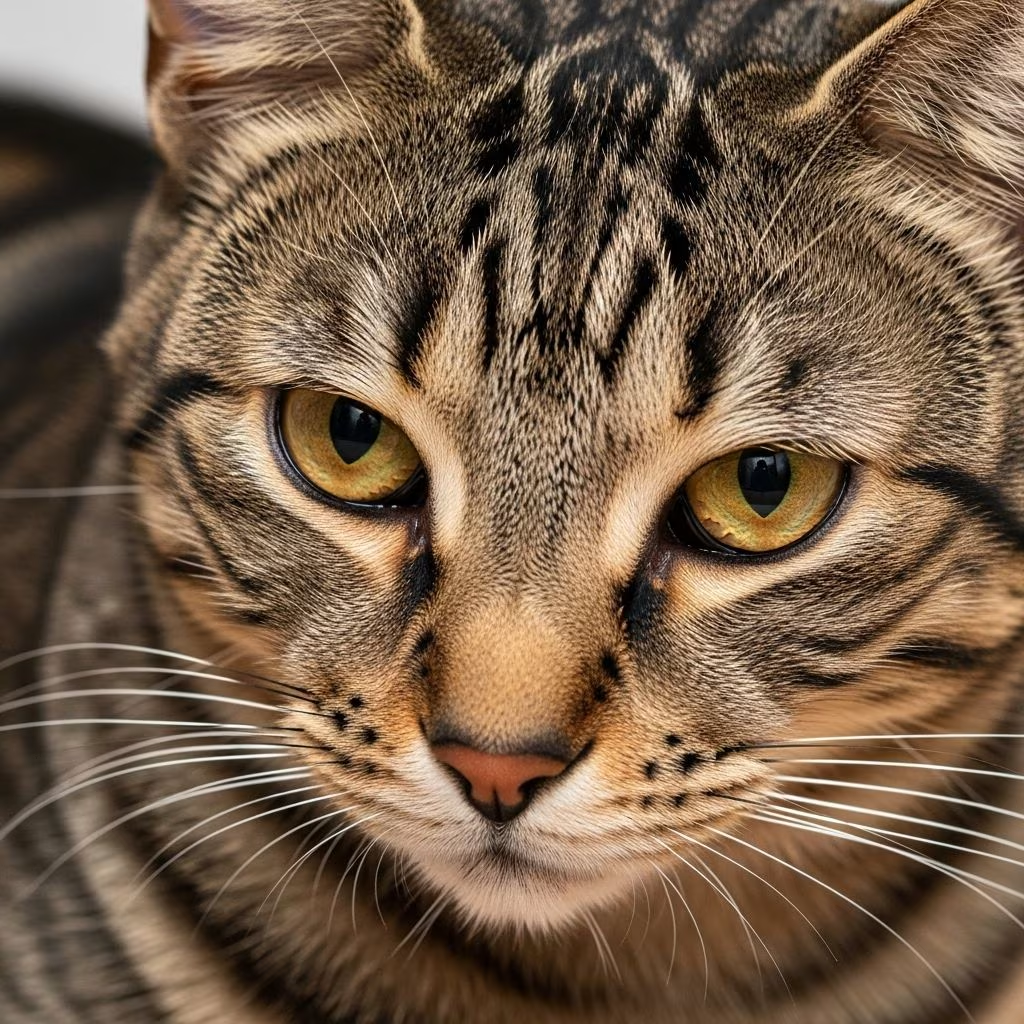
Cat eye infections, often manifesting as conjunctivitis or more severe ocular inflammation, can indeed be contagious depending on the underlying cause, particularly in viral cases like feline herpesvirus that spread easily in multi-cat environments.
Understanding Feline Ocular Infections
Feline eye infections involve inflammation of the conjunctiva, cornea, or surrounding tissues, triggered by pathogens, irritants, or trauma. These conditions affect cats of all ages but are more prevalent in kittens, stressed adults, or those in shelters where close contact facilitates transmission. While some resolve spontaneously, others demand veterinary intervention to avert vision loss or chronic issues.
Key Indicators of Eye Trouble in Cats
Recognizing symptoms early is crucial for timely care. Cats rarely vocalize pain, so observe behavioral and physical changes closely.
- Redness and puffiness: The whites of the eyes or eyelids turn pink or red due to inflamed blood vessels.
- Discharge variety: Clear tears escalate to thick yellow, green, or crusty buildup, signaling bacterial involvement.
- Squinting or closure: Affected cats partially shut eyes to shield from light or pain, often pawing at the face.
- Third eyelid show: A pale membrane protrudes across the eye, common in viral cases.
- Behavioral shifts: Lethargy, appetite loss, or hiding indicate discomfort.
These signs can appear in one or both eyes, progressing rapidly within hours if untreated.
Primary Culprits Behind Cat Eye Issues
Diverse factors drive these infections, with contagious agents posing the greatest household risk.
Viral Pathogens: Highly Transmissible
Feline herpesvirus type 1 (FHV-1), also called feline viral rhinotracheitis, tops the list, causing recurrent conjunctivitis often paired with sneezing or nasal discharge. Calicivirus contributes similarly, thriving in crowded settings. These viruses shed via eye/nasal secretions, spreading through shared bowls, grooming, or air.
Bacterial Invaders
Chlamydia felis and Mycoplasma frequently colonize post-viral damage, producing purulent discharge. Transmissible via direct contact, they demand antibiotics.
Non-Infectious Triggers
Allergens like pollen, dust, or smoke provoke sterile inflammation mimicking infection. Trauma from scratches, foreign objects (e.g., grass seeds), or dry environments also invite secondary bugs. These are less contagious but require exclusion of pathogens.
| Cause Type | Examples | Contagious? | Common Discharge |
|---|---|---|---|
| Viral | FHV-1, Calicivirus | Yes, highly | Clear to watery |
| Bacterial | Chlamydia, Mycoplasma | Yes, moderate | Thick yellow/green |
| Trauma/Irritant | Scratches, dust | No | Clear/tears |
Are They Spreadable to Other Cats or Humans?
Many feline eye infections transmit cat-to-cat via bodily fluids, especially in unvaccinated or stressed groups. FHV-1 persists lifelong, reactivating under stress. Isolate affected cats promptly, disinfect surfaces, and separate food/water stations. Human risk is negligible; these pathogens rarely cross species barriers.
Professional Diagnosis and Therapies
Vets employ fluorescein staining for ulcers, cultures for bacteria, or PCR for viruses to pinpoint causes. Treatment targets the root while easing symptoms.
- Topical antibiotics: Drops/ointments like Terramycin combat bacteria, applied 3-6 times daily.
- Antivirals: For FHV-1, options include famciclovir orally.
- Anti-inflammatories: Steroids (cautiously, post-ulcer rule-out) reduce swelling.
- Systemic drugs: Oral azithromycin for Chlamydia or broad infections.
- Surgery: Rare, for deep ulcers or blockages.
Healing spans 5-14 days with compliance; monitor for relapse.
Supportive Home Management
Complement vet care with gentle routines to accelerate recovery and curb spread.
- Wipe eyes outward with saline-soaked cotton balls, using fresh ones per eye.
- Maintain humidity via cool-mist humidifiers to loosen crusts.
- Quarantine in a dim, quiet space; wash hands post-handling.
- Boost immunity with lysine supplements for herpes cases (vet-approved).
Avoid over-the-counter human drops—they can harm feline corneas.
When to Rush to the Vet
Seek immediate care for cloudiness, deep pain (pupil constriction), vision loss signs, or no improvement in 48 hours. Emergencies include orbital swelling or bloody discharge, hinting at abscess or glaucoma.
Preventive Strategies for Crystal Clear Eyes
Proactive steps slash infection odds, especially in multi-pet homes.
- Vaccinations: Core shots cover FHV-1 and calicivirus; boosters yearly.
- Hygiene protocols: Clean litter weekly, avoid overcrowding.
- Stress reduction: Pheromone diffusers, routine play curb viral flares.
- Regular exams: Annual vet checks catch subclinical issues.
Frequently Asked Questions (FAQs)
Can cat eye infections heal without treatment?
Mild cases might self-resolve, but most bacterial/viral ones worsen, risking scars or blindness. Vet care ensures full recovery.
How long until symptoms fade?
With proper meds, 5-14 days; viruses may linger longer.
Is green discharge always bacterial?
Often yes, but confirm via vet swab—don’t assume.
Can kittens get eye infections from mom?
Yes, congenitally via FHV-1; isolate if nursing.
Do eye infections cause permanent damage?
Untreated, yes—ulcers scar corneas. Early action preserves sight.
Long-Term Outlook and Monitoring
Post-treatment, watch for recurrences, common in carriers. Annual bloodwork screens for immune lapses. Nutrition rich in omega-3s supports ocular health.
In multi-cat setups, test newcomers for FHV-1. Clean toys/litter with bleach solutions (1:32 dilution) kills pathogens.
References
- Cat Eye Infection: Signs, Causes, and Treatment — All Pets Vet Hospital. 2023. https://allpets.net/blog/cat-eye-infection/
- Cat Eye Infection: Symptoms & Treatment — Saratoga Veterinary Hospital. 2023. https://saratogavethosp.com/blog/cat-eye-infection/
- Cat Eye Infections: Home Remedies — Animal Eye Guys (South Florida Vets). 2023-10-15. https://www.animaleyeguys.com/site/blog/2023/10/15/cat-eye-infection-home-remedy
- Does my cat have an eye infection? — Carolina Veterinary Specialists. 2020-07-13. https://www.greensboro.carolinavet.com/site/greensboro-specialty-veterinary-blog/2020/07/13/cat-eye-infection
- Cats & Eye Infections: Everything You Need to Know — Animal Eye Guys (South Florida). 2024-08-30. https://www.animaleyeguys.com/site/blog/2024/08/30/cats-eye-infections



