

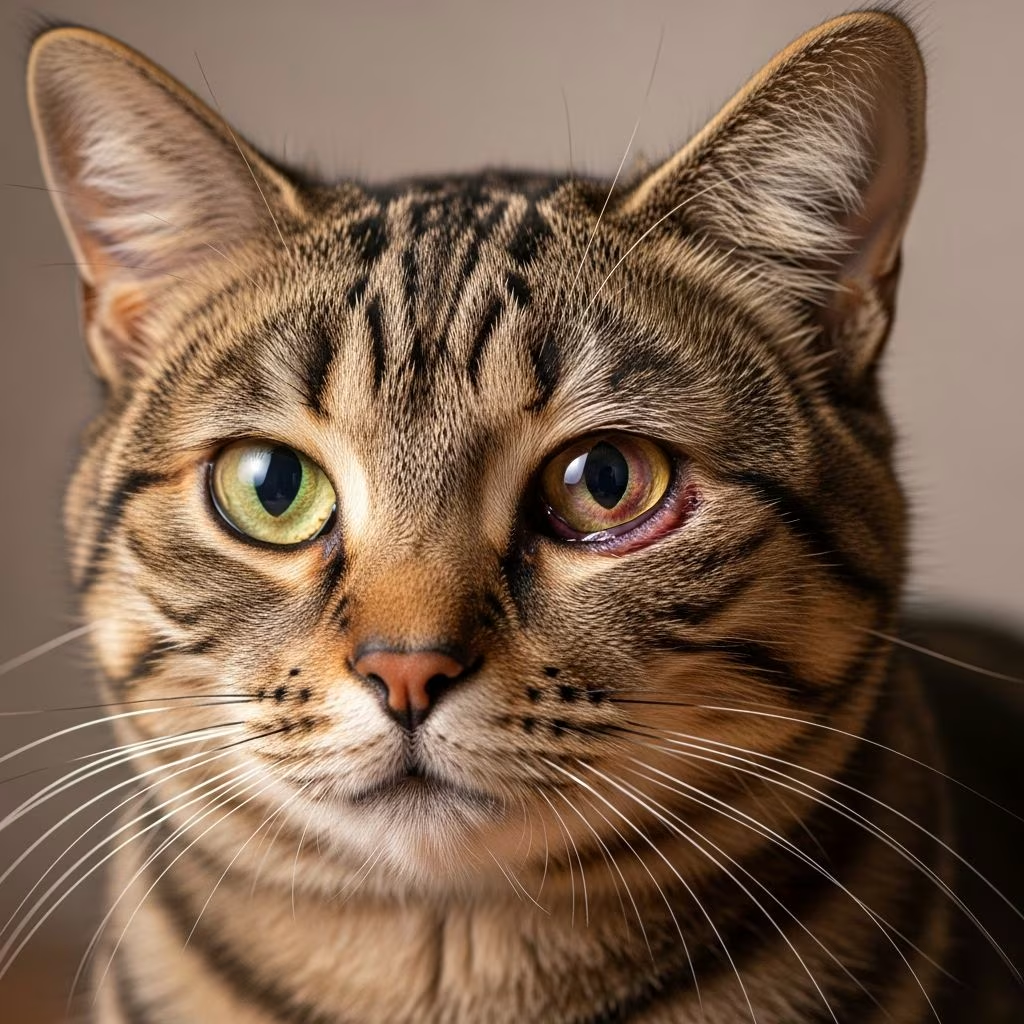
Cat eye infections are among the most common health issues affecting felines, often causing discomfort and requiring prompt attention from pet owners. These conditions can range from mild irritation to severe infections that threaten vision if left untreated. Understanding the symptoms, causes, and treatments is crucial for maintaining your cat’s eye health and overall wellbeing.
What is a cat eye infection?
A cat eye infection, commonly known as **conjunctivitis** or **pink eye** in cats, involves inflammation of the conjunctiva—the thin, transparent membrane lining the eyelids and covering the white part of the eye. This condition can affect one or both eyes and is often accompanied by painful symptoms that make it hard for cats to open their eyes fully. While it can resolve on its own in mild cases, veterinary intervention is usually necessary to prevent complications like corneal ulcers or chronic issues.
Eye infections in cats are prevalent, especially in kittens, multi-cat households, and unvaccinated or stressed animals. They can stem from infectious agents or non-infectious triggers, making accurate diagnosis essential for effective treatment.
Symptoms of cat eye infections
Recognising the early signs of a cat eye infection can make a significant difference in your pet’s recovery. Common symptoms include:
- Redness and swelling: The whites of the eyes (sclera) appear bloodshot, and eyelids may swell.
- Discharge: Watery, yellow, green, or crusty buildup around the eyes, often worse in the morning.
- Squinting or holding eyes closed: Cats paw at their eyes due to pain or sensitivity to light (photophobia).
- Cloudy or watery eyes: Excessive tearing as the eye tries to flush out irritants.
- Upper respiratory signs: Sneezing, nasal discharge, or coughing if linked to a viral infection like feline herpesvirus.
If your cat shows these symptoms, especially if sudden or severe—like significant swelling, thick pus-like discharge, or vision impairment—seek emergency veterinary care immediately, as these could indicate a more serious issue.
Causes of cat eye infections
Cat eye infections arise from a variety of causes, broadly categorised into infectious and non-infectious. Identifying the root cause guides appropriate treatment.
Infectious causes
- Viral infections: Feline herpesvirus type 1 (FHV-1, causing feline viral rhinotracheitis) is the most common, affecting up to 80-90% of cats. It’s highly contagious, often flaring during stress, and linked to upper respiratory infections. Feline calicivirus also contributes.
- Bacterial infections: Chlamydia, Mycoplasma, or secondary bacterial overgrowth following viral damage. These produce thick, pus-like discharge.
Non-infectious causes
- Allergies and irritants: Pollen, dust, smoke, or chemicals causing allergic conjunctivitis.
- Trauma or foreign bodies: Scratches, grass seeds, or sand leading to secondary infections.
- Underlying diseases: Dry eye (keratoconjunctivitis sicca – KCS), eosinophilic keratitis, uveitis, or systemic issues like FeLV.
- Breed predispositions: Persians and other flat-faced breeds are more prone due to anatomy.
Herd immunity in catteries or shelters heightens risk, with herpesvirus often latent and reactivating under stress.
When to see a vet for cat eye infections
Not all eye issues require immediate vet attention, but err on the side of caution. Contact your veterinarian if symptoms persist beyond 24-48 hours, worsen, or include:
- Eye held fully closed or extreme swelling.
- Thick, coloured discharge suggesting bacterial involvement.
- Corneal cloudiness, ulcers, or bleeding.
- Accompanying lethargy, fever, or appetite loss.
Early intervention prevents scarring, vision loss, or spread to other cats. Delaying can turn a simple infection into a chronic problem.
Diagnosis of cat eye infections
Vets perform a comprehensive ophthalmic exam using tools like fluorescein stain to detect ulcers, tonometry for eye pressure, and Schirmer tear tests for dry eye. Swabs or scrapings may be cultured for bacteria/viruses, or PCR tests confirm FHV-1. Bloodwork rules out systemic diseases.
Treatment for cat eye infections
Treatment targets the cause, relieves pain, and prevents complications. Most cats respond well to therapy within 1-2 weeks, though viral cases may recur.
Topical treatments
- Antibiotic ointments/drops: Terramycin (oxytetracycline), Tobramycin, or Vetropolycin for bacterial infections.
- Combination drops: NeoPolyDex (antibiotic + steroid) for inflammation.
- Anti-viral: Famciclovir orally for severe FHV-1.
- Anti-inflammatories: Prednisone acetate or tacrolimus for immune-mediated issues like eosinophilic keratoconjunctivitis.
Supportive care
- Clean eyes gently with saline or vet-approved wipes, 2-4 times daily.
- Apply medications as directed—hold the cat securely, pull down lower lid, and avoid touching the tube to the eye.
- Isolate infected cats to prevent spread.
- Boost humidity (steamy bathroom), offer warmed wet food, and ensure hydration.
Oral medications
- Azithromycin: For Chlamydia/Mycoplasma or respiratory involvement.
Surgery may be needed for eyelids, tumours, or KCS (lifetime meds). Always complete the full course to avoid resistance.
Home remedies and care for cat eye infections
While not substitutes for vet care, these aid recovery:
- Gentle cleaning: Damp cloth with warm water or saline; wipe from inner to outer eye.
- Environment: Reduce stress, keep indoors, use air purifiers for allergens.
- Lubricants: Artificial tears for dry eyes (vet-approved).
- Avoid human meds or OTC drops—they can worsen issues.
Monitor daily; if no improvement in 2-3 days, recheck with vet.
Prevention of cat eye infections
Prevention focuses on vaccination, hygiene, and health management:
- Vaccinations: Core vaccines against FHV-1 and calicivirus (FVRCP) from 6-8 weeks, boosters yearly.
- Hygiene: Clean litter boxes, food bowls; quarantine new cats.
- Stress reduction: Feliway diffusers, routine, nutrition (L-lysine supplements for herpes-prone cats).
- Regular check-ups: Annual eye exams, especially for seniors or breeds.
Spay/neuter reduces fighting-related trauma.
Prognosis for cats with eye infections
With prompt treatment, most cats fully recover without vision loss. Viral infections like FHV-1 may cause lifelong carriers with periodic flares managed by antivirals and lysine. Bacterial cases clear faster. Chronic conditions like KCS require ongoing care but allow good quality of life.
FAQs
Can cat eye infections go away on their own?
Mild viral cases may self-resolve in 1-2 weeks, but treatment speeds recovery and prevents complications. Always consult a vet.
Are cat eye infections contagious?
Yes, especially viral (FHV-1) and bacterial types spread via direct contact or shared items. Isolate affected cats.
How long do cat eye infections last?
Typically 7-14 days with treatment; recurrences common in carriers.
Can I use human eye drops on my cat?
No—human products can harm feline eyes. Use only vet-prescribed meds.
Table: Common Cat Eye Infection Treatments
| Condition | Treatment Type | Examples |
|---|---|---|
| Bacterial Conjunctivitis | Topical Antibiotic | Terramycin, Tobramycin |
| Viral (FHV-1) | Oral Anti-viral + Supportive | Famciclovir, Lysine |
| Inflammatory | Steroid Drops | NeoPolyDex, Prednisone |
| Dry Eye (KCS) | Lifelong Lubricants | Cyclosporine |
References
- Conjunctivitis in Cats (Cat Pink Eye) — PetMD. 2023. https://www.petmd.com/cat/conditions/eyes/c_ct_conjunctivitis
- Eye Infection in Cats – Causes, Treatment and Associated Conditions — Vetster. 2024. https://vetster.com/en/conditions/cat/eye-infection
- Treatment for Eye Infections in Cats: Antibiotics and More — Charlotte Carolina Vet. 2020-08-31. https://www.charlotte.carolinavet.com/site/charlotte-emergency-vet-blog/2020/08/31/treatment-for-eye-infections-in-cats-antibiotics-and-more
- Cat Eye Infections: Home Remedies — Animal Eye Guys. 2023-10-15. https://www.animaleyeguys.com/site/blog/2023/10/15/cat-eye-infection-home-remedy
- Different Antibiotics in Cat Eye Infection Treatment — FPHS Clovis. 2024-05-15. https://www.fphclovis.com/site/blog/2024/05/15/different-antibiotics-cat-eye-infection-treatment
- Cat Eye Infections: Symptoms and Treatments — Purina. 2024. https://www.purina.com/articles/cat/health/symptoms/cat-eye-infections
- Cat Eye Infection: Is It an Emergency? — GSVS. 2024. https://gsvs.org/blog/cat-eye-infection-emergency/



