

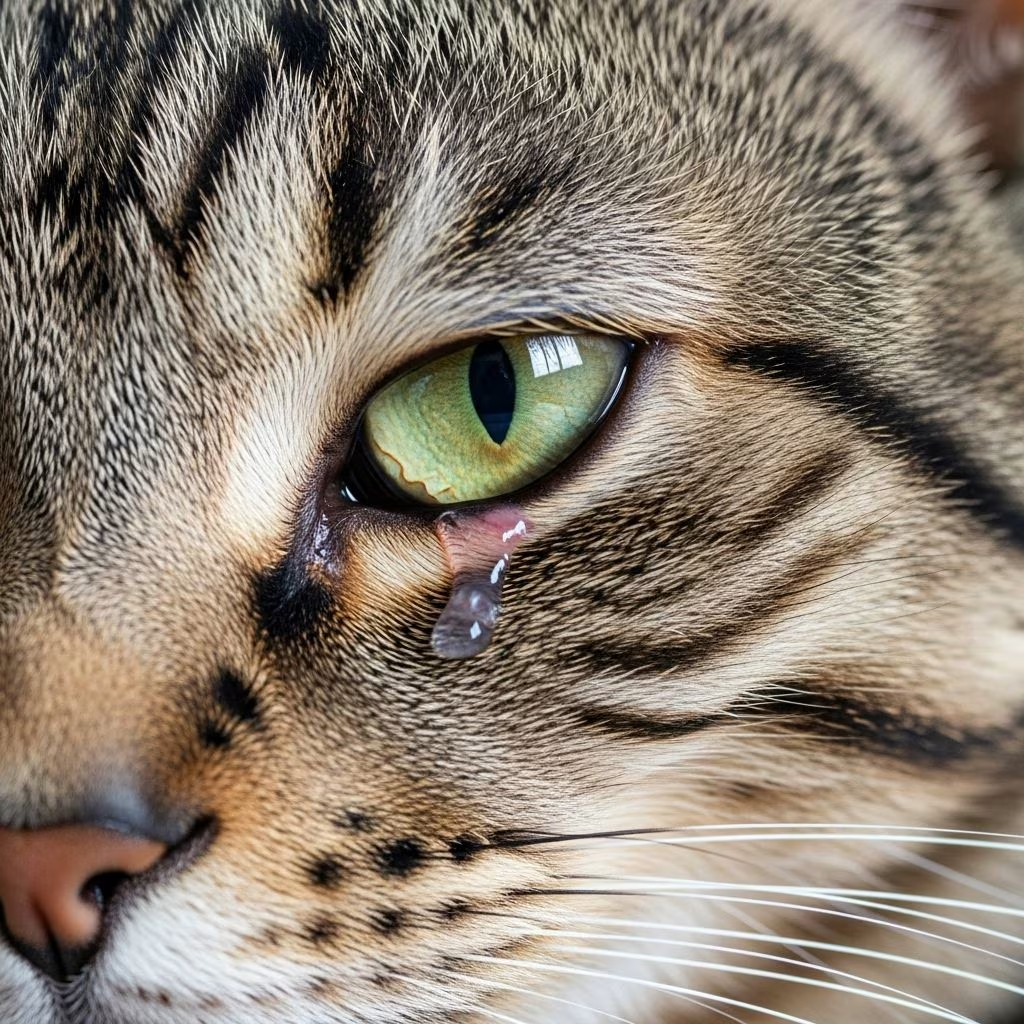
Cat eye infections are a frequent issue affecting felines of all ages, often manifesting as **red, swollen eyes** with discharge. These conditions, commonly known as **conjunctivitis** or “pink eye,” can stem from viral, bacterial, or environmental triggers and require prompt attention to prevent vision loss or chronic issues.
What Is a Cat Eye Infection?
A cat eye infection involves inflammation of the eye’s protective layers, primarily the **conjunctiva**—the thin membrane lining the eyelids and covering the white part of the eye. This condition leads to discomfort, excessive tearing, and potential corneal damage if untreated. While common in kittens from shelters, adult cats can also suffer flare-ups, especially those with weakened immunity.
Types include **conjunctivitis** (affecting the conjunctiva), **keratitis** (corneal inflammation), **blepharitis** (eyelid issues), and **uveitis** (internal eye structures). Each type demands specific diagnosis via veterinary exam, possibly including fluorescein staining or lab cultures.
Causes of Cat Eye Infections
Eye infections in cats arise from **infectious** or **non-infectious** sources. Infectious causes dominate, particularly in multi-cat environments.
Infectious Causes
- Viral Infections: Feline Herpesvirus-1 (FHV-1, causing feline viral rhinotracheitis) is the leading culprit, often linked to upper respiratory infections. It affects up to 80-90% of cats, remaining latent and reactivating under stress. Feline calicivirus also contributes, causing respiratory and ocular symptoms.
- Bacterial Infections: Chlamydia, Mycoplasma, and secondary bacteria thrive in viral-compromised eyes, leading to purulent discharge.
Non-Infectious Causes
- Allergies and Irritants: Pollen, dust, or chemicals provoke allergic conjunctivitis.
- Trauma: Scratches from fights or foreign bodies like grass seeds embed and infect.
- Underlying Diseases: Feline leukemia virus (FeLV), dry eye (keratoconjunctivitis sicca or KCS), or eosinophilic keratitis require systemic management.
- Tumors or Eyelid Disorders: Rare but serious, often needing surgery.
Herd immunity in catteries heightens risk; unvaccinated kittens are especially vulnerable.
Symptoms of Cat Eye Infections
Early detection hinges on recognizing signs. Common symptoms include:
- Redness and Swelling: Inflamed conjunctiva and puffy eyelids.
- Discharge: Watery, mucous, or thick yellow/green pus, often crusting overnight.
- Squinting or Closed Eyes: Pain causes photophobia and blepharospasm.
- Pawing or Rubbing: Attempts to relieve itching or discomfort.
- Cloudy Cornea or Vision Changes: Advanced cases signal ulceration.
Accompanying respiratory signs like sneezing indicate viral origins. Seek emergency care for sudden severe swelling, prolapse, or bloody discharge, as these may denote corneal ulcers or glaucoma.
Diagnosis of Cat Eye Infections
Vets perform a comprehensive ophthalmic exam using a penlight, tonometry for pressure, and Schirmer tear tests for KCS. Fluorescein dye reveals ulcers glowing green. Swabs culture bacteria/viruses; PCR confirms FHV-1. Bloodwork rules out systemic issues like FeLV.
Differential diagnosis separates primary infections from secondary to allergies or dry eye, guiding targeted therapy.
Treatment for Cat Eye Infections
Treatment targets the cause, alleviates pain, and prevents complications. Most resolve in 1-2 weeks with compliance.
Topical Medications
- Antibiotics: Terramycin (oxytetracycline), Vetropolycin, or tobramycin drops combat bacteria. NeoPolyDex combines antibiotic and steroid.
- Anti-Inflammatories: Corticosteroids like prednisone acetate for non-ulcerative inflammation; tacrolimus for eosinophilic cases.
- Antivirals: Famciclovir orally for severe FHV-1.
Systemic Treatments
- Oral Antibiotics: Azithromycin for Chlamydia/Mycoplasma or respiratory ties.
- Supportive Care: Lysine supplements reduce FHV-1 shedding; pain meds like buprenorphine.
| Condition | Common Treatments | Duration |
|---|---|---|
| Viral Conjunctivitis | Famciclovir, lysine, supportive care | 1-3 weeks |
| Bacterial | Terramycin ointment, azithromycin | 7-14 days |
| KCS/Dry Eye | Cyclosporine drops (lifelong) | Ongoing |
| Allergic | Antihistamine drops, flush irritants | Days |
Apply meds by holding the head steady, gently rolling down the lower lid, and squeezing a ribbon of ointment. Clean eyes first with saline-soaked cotton.
Home Care and Supportive Measures
- Gently wipe discharge with warm water and soft cloth.
- Steam therapy: Place cat in bathroom during hot showers to loosen crusts.
- Moist, warmed food aids appetite during respiratory illness.
- Isolate from other cats to curb spread; keep indoors.
- Reduce stress with pheromones like Feliway.
Surgery addresses tumors, entropion, or prolapsed glands.
Prevention of Cat Eye Infections
Proactive steps minimize recurrence:
- Vaccinations: Core vaccines against FHV-1 and calicivirus; boosters annually.
- Hygiene: Clean litter boxes, food bowls; quarantine new cats.
- Nutrition: L-lysine treats (500mg/day) for carriers.
- Regular Vet Checks: Especially for multi-cat homes or seniors.
- Avoid Irritants: Smoke-free, dust-controlled environments.
Herd vaccination curbs shelter outbreaks.
When to See a Vet for Cat Eye Infections
Consult a vet immediately for any eye symptoms lasting over 24 hours, worsening signs, or bilateral involvement. Emergencies include exposed third eyelid, blue cornea, or lethargy. Delays risk permanent scarring or blindness. Telemedicine suits mild cases, but exams are gold standard.
Frequently Asked Questions (FAQs)
What are the first signs of a cat eye infection?
Redness, squinting, watery or pus-like discharge, and pawing at the eye.
Can cat eye infections go away on their own?
Mild viral cases may self-resolve in 1-2 weeks, but treatment speeds recovery and prevents complications.
Is Terramycin safe for cats with eye infections?
Yes, it’s a first-line antibiotic ointment for bacterial conjunctivitis, vet-prescribed.
How can I clean my cat’s infected eyes at home?
Use a soft cloth with warm saline or boiled/cooled water; wipe from inner to outer corner, never reuse cloths.
Are cat eye infections contagious to humans?
No, but highly contagious cat-to-cat via shared bowls or grooming.
How long do cat eye infections last with treatment?
Typically 7-14 days; chronic cases like KCS need lifelong management.
References
- Conjunctivitis in Cats (Cat Pink Eye) — PetMD. 2023. https://www.petmd.com/cat/conditions/eyes/c_ct_conjunctivitis
- Eye Infection in Cats – Causes, Treatment and Associated Conditions — Vetster. 2024. https://vetster.com/en/conditions/cat/eye-infection
- Treatment for Eye Infections in Cats: Antibiotics and More — Charlotte Carolina Vet. 2020-08-31. https://www.charlotte.carolinavet.com/site/charlotte-emergency-vet-blog/2020/08/31/treatment-for-eye-infections-in-cats-antibiotics-and-more
- Cat Eye Infections: Home Remedies — Animal Eye Guys. 2023-10-15. https://www.animaleyeguys.com/site/blog/2023/10/15/cat-eye-infection-home-remedy
- Different Antibiotics in Cat Eye Infection Treatment — FPHS Clovis. 2024-05-15. https://www.fphclovis.com/site/blog/2024/05/15/different-antibiotics-cat-eye-infection-treatment
- Cat Eye Infections: Symptoms and Treatments — Purina. 2024. https://www.purina.com/articles/cat/health/symptoms/cat-eye-infections
- Cat Eye Infection — VMCLI. 2024-01-04. https://www.vmcli.com/site/blog/2024/01/04/cat-eye-infection



