

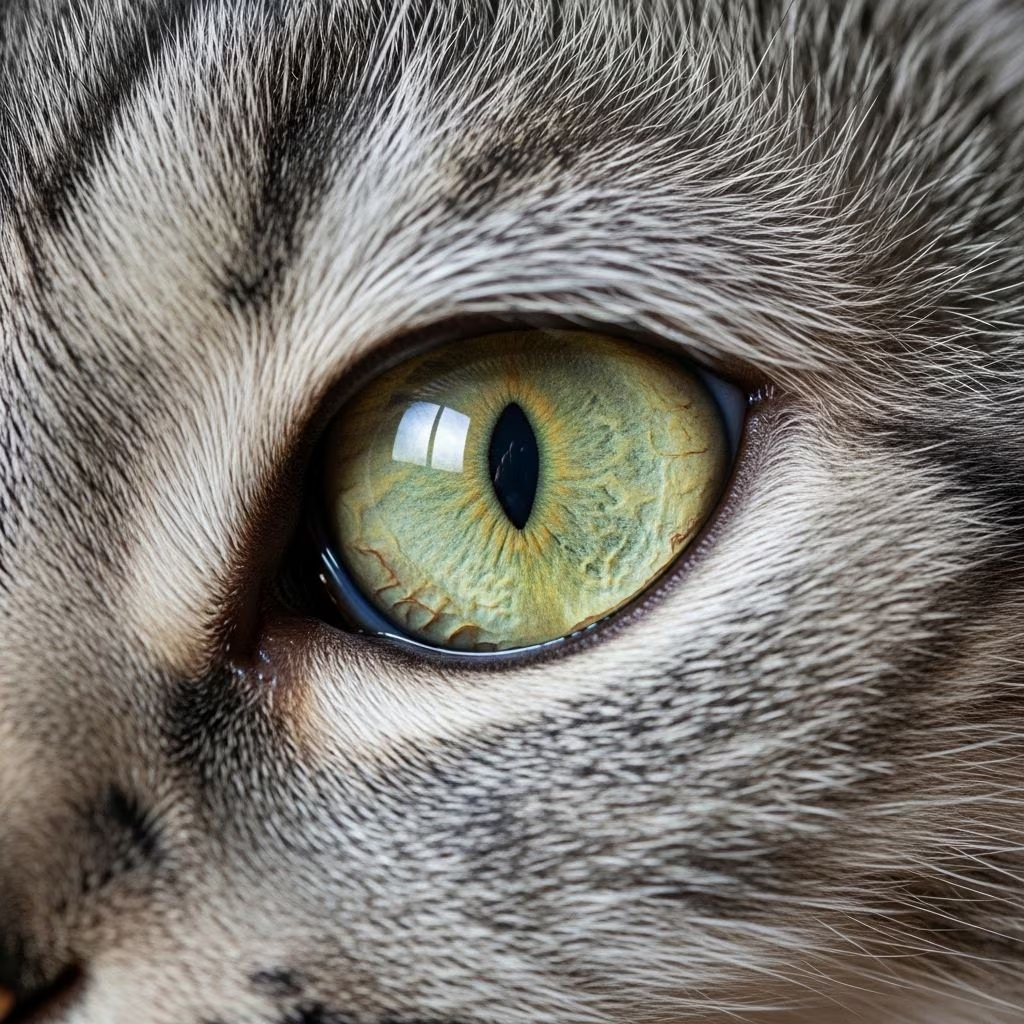
Cats rely heavily on their sharp vision for hunting, navigating, and interacting with their environment. However, various eye disorders can compromise this vital sense, leading to discomfort, pain, or even blindness if not addressed promptly. Understanding these conditions empowers pet owners to spot early signs and seek timely veterinary intervention.
Why Eye Health Matters for Cats
Feline eyes are uniquely adapted with a reflective layer called the tapetum lucidum, enhancing night vision. Despite this, they remain susceptible to infections, injuries, and congenital issues. Factors like age, breed, outdoor exposure, and underlying illnesses contribute to vulnerability. Regular check-ups and home monitoring are key to maintaining clear sight.
Recognizing Early Warning Signs
Observant owners can detect problems before they worsen. Common indicators include:
- Persistent discharge, ranging from clear tears to thick pus-like material
- Redness or inflammation around the eyes
- Squinting, blinking excessively, or keeping eyes partially closed
- Pawing or rubbing at the face
- Cloudy corneas or changes in pupil appearance
- Visible third eyelid protrusion
- Sensitivity to light or behavioral shifts like hiding
These symptoms often overlap across conditions, underscoring the need for professional diagnosis.
Infections: A Leading Cause of Eye Distress
Eye infections top the list of feline ocular woes, frequently stemming from bacteria, viruses, or allergens. Bacterial culprits like Chlamydia or Mycoplasma cause redness, swelling, and colored discharge. Viral agents, notably feline herpesvirus, trigger recurrent episodes, especially in stressed or young cats.
Symptoms manifest as watery to mucoid discharge, eyelid swelling, and discomfort. Treatment hinges on the pathogen: antibiotic ointments for bacteria, antivirals like famciclovir for viruses, and anti-inflammatories for allergies. Supportive measures include gentle cleaning with saline and L-lysine supplements to curb viral shedding.
Prevention involves vaccination against core viruses, minimizing stress, and isolating infected cats to halt spread.
Corneal Ulcers: Painful Surface Damage
The cornea, the eye’s clear outer dome, can develop ulcers from trauma, infections, or eyelid abnormalities. These shallow to deep erosions expose sensitive tissues, causing intense pain.
Cats show squinting, tearing, and rubbing. Severe cases risk perforation. Vets use fluorescein dye to confirm ulcers under blue light. Mild instances heal with antibiotic drops and pain relief; deeper ones may require surgery like grafts.
| Severity Level | Symptoms | Treatment Options |
|---|---|---|
| Mild | Superficial erosion, mild pain | Topical antibiotics, e-collar |
| Moderate | Deeper crater, heavy discharge | Medicated drops, frequent rechecks |
| Severe | Risk of rupture, vision threat | Surgery, hospitalization |
Healing timelines vary from days to weeks; follow-up exams ensure resolution.
Glaucoma: The Pressure Buildup Threat
Glaucoma arises when fluid drainage fails, spiking intraocular pressure and damaging the optic nerve. Primary forms are genetic; secondary link to uveitis or tumors.
Signs include dilated pupils, corneal haze, pain-induced lethargy, and bulging eyes. Emergency care is critical to salvage vision. Pressure-lowering drops, oral meds, or laser surgery provide relief; enucleation relieves untreatable pain.
Dry Eye Syndrome in Felines
Keratoconjunctivitis sicca (KCS) features inadequate tear production, drying the cornea and inviting ulcers. Immune-mediated destruction of tear glands is common.
Affected cats exhibit sticky discharge, dull corneas, and chronic irritation. Diagnosis via Schirmer tear test measures production. Cyclosporine or tacrolimus ointments stimulate glands, paired with artificial tears. Lifelong management prevents complications.
Eyelid Abnormalities: Structural Culprits
Entropion and Ectopic Cilia
Entropion rolls eyelids inward, lashes abrading the cornea. Breeds like Persians are prone. Temporary tacking or surgery corrects it. Ectopic cilia, misplaced inner hairs, demand cryotherapy or laser removal.
Both yield ulcers and squinting; prompt correction averts scarring.
Trauma and Foreign Invaders
Outdoor cats face scratches, debris, or grass seeds lodging in eyes, sparking infection. Pawing worsens damage. Irrigation, removal, and antibiotics resolve most; monitor for abscesses.
Cataracts and Uveitis: Internal Disruptions
Cataracts cloud the lens, rarer in cats than dogs, tied to inflammation or diabetes. Surgery restores sight in select cases. Uveitis inflames inner eye layers from trauma, infections, or cancer, causing pain and vision loss. Anti-inflammatories target causes.
Prevention Strategies for Lifelong Eye Wellness
Proactive steps minimize risks:
- Keep vaccinations current against herpesvirus and calicivirus
- Indoor living curbs trauma and infections
- Weekly eye wipes with vet-approved solutions
- Nutrient-rich diets supporting ocular health
- Annual vet exams, more for seniors or breeds like Siamese
L-lysine treats bolster immunity.
Home Care Tips During Recovery
Administer meds precisely: warm ointments, hold eyelids open for drops. Use e-collars to deter rubbing. Clean gently with cotton balls and saline, avoiding human products.
When to Rush to the Vet
Seek immediate help for sudden cloudiness, severe pain, vision changes, or bilateral issues. Delays exacerbate damage.
FAQs on Feline Eye Health
Can cat eye problems resolve without treatment?
Minor irritations might, but most require intervention to prevent scarring or blindness.
Are certain breeds more prone?
Brachycephalics like Persians face entropion and tear duct issues.
How do I clean my cat’s eyes safely?
Use sterile saline on soft cloths; never force if resistant—consult your vet.
Is feline herpesvirus eye infection curable?
Manageable but lifelong; antivirals reduce flares.
Does dry eye affect vision permanently?
Untreated yes, but therapy preserves it.
Long-Term Monitoring for Senior Cats
Aging felines risk cataracts, hypertension-related detachment. Routine tonometry and fundoscopy detect issues early. Holistic wellness, including blood pressure checks, supports eye integrity.
References
- Keeping Your Cat’s Eyes in Purr-fect Health — Stack Veterinary Hospital. 2024. https://stackvethospital.com/keeping-your-cats-eyes-in-purr-fect-health/
- Cat Eye Infection: Symptoms & Treatment — Saratoga Veterinary Hospital. 2024. https://saratogavethosp.com/blog/cat-eye-infection/
- Cat Eye Discharge and Eye Problems — WebMD Pets. 2024. https://www.webmd.com/pets/cats/eye-discharge-in-cats
- Feline Eye Conditions — Animal Eye Associates. 2024. https://animaleyegroup.com/feline-eye-conditions/
- Cat Eye Infections – Symptoms & Treatments — Veterinary Medical Center of Long Island. 2024-01-04. https://www.vmcli.com/site/blog/2024/01/04/cat-eye-infection



