

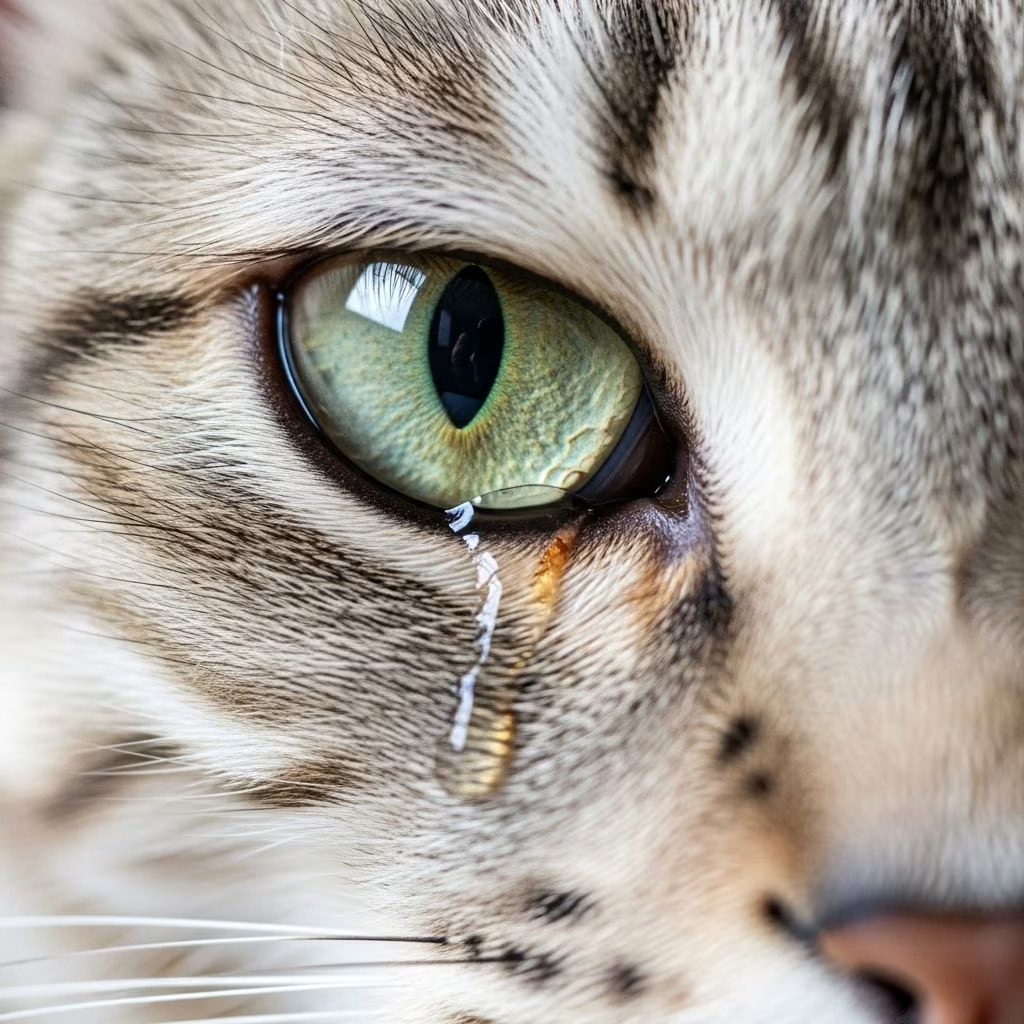
Eye discharge, often called “eye boogers” or gunk, is a common sight in cats. While a small amount is normal, excessive or unusual discharge can signal health problems ranging from minor irritations to serious infections. This guide explores the reasons behind feline eye discharge, how to differentiate benign buildup from concerning symptoms, safe home care practices, and indicators for professional veterinary intervention.
What Constitutes Normal Eye Discharge?
Cats produce tears containing water, oils, mucus, and antibodies to lubricate their eyes, remove debris, and fight infections. Overnight, this mixture dries in the inner eye corner, forming crusty residue that’s typically clear, light brown, or slightly yellowish and odorless. Environmental factors like dust or pollen can mildly increase it without harm.
- Normal traits: Minimal volume, easy to wipe away, no redness or swelling.
- Daily observation: Check eyes morning and evening; gentle removal prevents buildup.
Breeds with flat faces, such as Persians, naturally accumulate more due to tear duct anatomy, but this remains harmless if uncomplicated.
Common Causes of Excessive Eye Discharge
When discharge exceeds normal levels or changes appearance, underlying issues may be at play. Bacterial, viral, or environmental factors often contribute.
Conjunctivitis (Pink Eye)
This inflammation of the eye’s lining is the leading cause of discharge. Symptoms include red, swollen eyes with watery to thick, rust-colored mucus. Allergens like pollen or bacterial infections trigger it; viruses such as feline herpesvirus spread via contact.
| Cause Type | Symptoms | Common Triggers |
|---|---|---|
| Bacterial | Yellow/green pus, swelling | Chlamydia, secondary infections |
| Viral | Clear/watery, sneezing | Herpesvirus, calicivirus |
| Allergic | Clear, itchy, bilateral | Dust, pollen, smoke |
Upper Respiratory Infections
Linked to viruses like herpesvirus or mycoplasma, these cause clear or colored discharge alongside nasal issues, coughing, and lethargy. Contagious among cats, they risk pneumonia if ignored.
Blocked Tear Ducts
Tears fail to drain properly, leading to overflow and staining. Congenital defects or scarring from prior infections block ducts; symptoms include constant tearing and brownish streaks.
Corneal Issues and Ulcers
Trauma, infections, or dry eye damage the cornea, causing cloudiness, squinting, and watery discharge. Untreated ulcers deepen, risking vision loss.
Dry Eye (Keratoconjunctivitis Sicca)
Insufficient tear production results in sticky, yellow discharge, redness, and potential blindness. Immune issues or herpesvirus contribute.
Other Factors
Blepharitis (eyelid inflammation), uveitis (internal eye swelling), foreign objects, or allergies produce varied discharge. Trauma from scratches worsens matters.
Symptoms Requiring Immediate Attention
Not all discharge warrants panic, but these red flags do:
- Thick, green/yellow pus or bloody discharge.
- Redness, swelling, cloudiness, or squinting.
- Excessive pawing/rubbing, light sensitivity, or vision changes.
- Accompanying lethargy, appetite loss, or respiratory signs.
- Persistence beyond 24-48 hours despite cleaning.
Severe cases like ulcers cause intense pain, prompting emergency vet visits to avert permanent damage.
Safe Home Cleaning Techniques
For mild, normal discharge:
- Moisten a soft cloth or cotton ball with warm (not hot) water or saline solution.
- Gently wipe from outer to inner eye corner, using a fresh side per eye.
- Dry softly with a clean towel; repeat 2-3 times daily.
- Avoid tap water, soaps, or human products.
For irritant-related issues, reduce allergens by vacuuming, using air purifiers, and avoiding smoke. Never use over-the-counter drops without vet approval, as they may worsen conditions.
Veterinary Diagnosis and Treatments
Vets use fluorescein staining for ulcers, cultures for infections, and tear tests for dry eye. Treatments vary:
- Antibiotics: Ointments/drops for bacterial conjunctivitis or ulcers.
- Antivirals/Supportive: For herpesvirus, including lysine supplements.
- Anti-inflammatories: Steroids for allergies (post-infection clearance).
- Artificial tears: For dry eye, plus immunosuppressants.
- Surgery: For blocked ducts or severe ulcers.
Follow-up prevents recurrence; multi-cat homes isolate infecteds.
Preventive Measures for Healthy Eyes
Maintain wellness:
- Annual vet exams, vaccinations against calicivirus/herpes.
- Clean environment, hypoallergenic litter.
- Trim fur around eyes in long-haired breeds.
- Monitor new cats for 2 weeks.
Nutrition with omega-3s supports eye health.
FAQs
Is occasional crust normal in kittens?
Yes, but watch for excess; newborns need monitoring for infections.
Can I use human eye drops?
No; cat eyes differ, risking harm. Vet-only products advised.
How long before vet for green discharge?
Immediately; signals bacterial infection.
Does breed affect discharge?
Brachycephalic breeds (e.g., Persians) prone to more due to anatomy.
Can allergies cause permanent damage?
Rarely if treated; chronic rubbing leads to ulcers.
Breed-Specific Considerations
| Breed | Eye Issue Risk | Management Tip |
|---|---|---|
| Persian/Exotic Shorthair | High (shallow sockets) | Daily cleaning, tear duct flushing |
| Siamese | Moderate (viral susceptibility) | Vaccinations key |
| Domestic Shorthair | Low |
Understanding these helps tailor care.
References
- Cat eye infection | Causes, symptoms, and treatments — Lovet. 2023. https://www.lovet.com/blog/cat-eye-infection/
- Cat Eye Discharge and Eye Problems — WebMD. 2024-01-15. https://www.webmd.com/pets/cats/eye-discharge-in-cats
- Cat Eye Discharge: Causes and Treatments — Rover.com. 2023-05-10. https://www.rover.com/blog/cat-eye-discharge/
- What causes eye discharge in cats? — All About Vision. 2024. https://www.allaboutvision.com/eye-care/pets-animals/eye-discharge-cats/
- Cat Eye Discharge – How to Treat Different Types of Feline Eye Issues — PetCareRx. 2022-11-20. https://www.petcarerx.com/article/cat-eye-discharge-how-to-treat-different-types-of-feline-eye-issues/2934
- Understanding Cat Eye Discharge: Causes, Treatment, and When to … — Berthoud Animal Hospital. 2023. https://berthoudanimalhospital.com/blog/cat-eye-discharge/
- Eye Discharge in Cats — Maddie’s Fund. 2023. https://www.maddiesfund.org/kb-eye-discharge-in-cats.htm



