

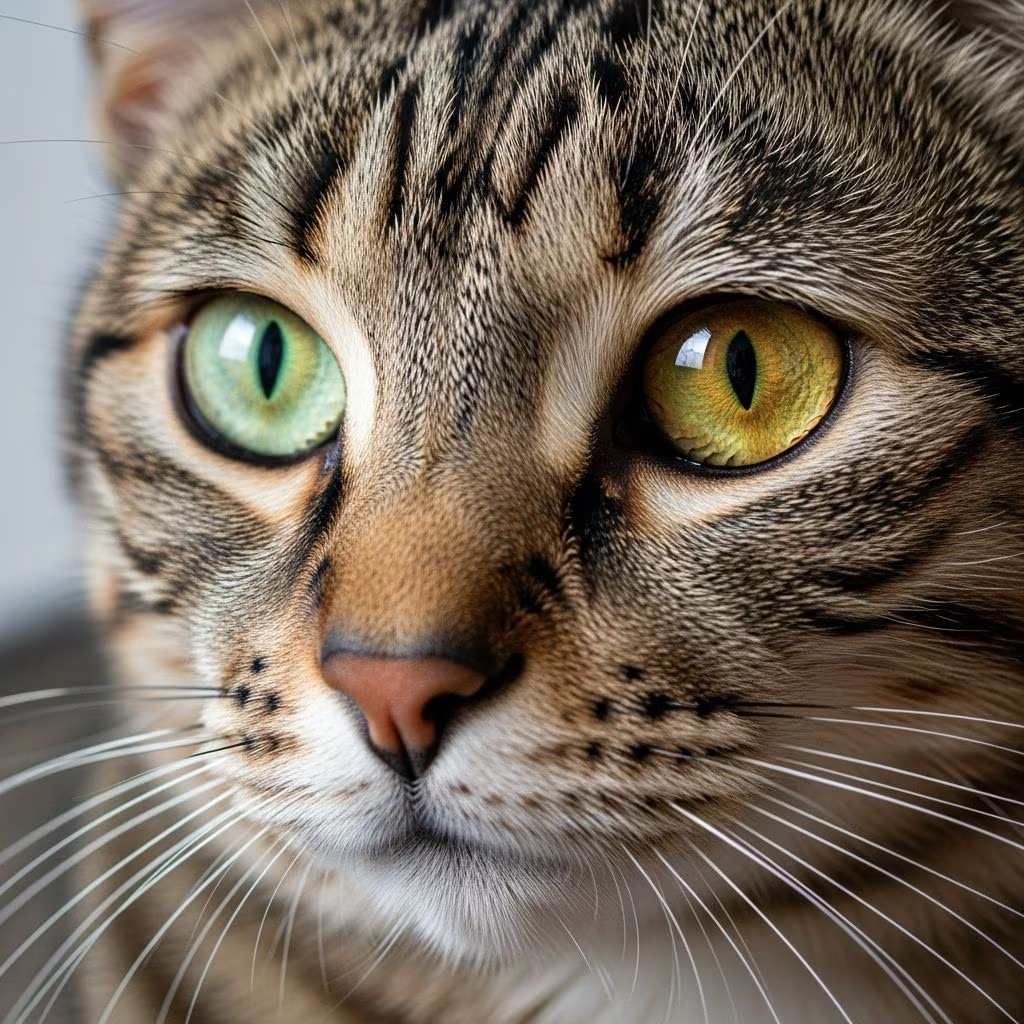
Understanding Cat Eye Color Changes: A Veterinary Guide
Your cat’s eyes are often called the windows to their soul, but did you know they can also be windows to their health? Many cat owners notice that their feline companions’ eyes change color over time, but understanding whether these changes are normal developmental stages or warning signs of health problems is crucial. Eye color changes in cats can range from completely benign to indicators of serious medical conditions requiring immediate veterinary attention. This comprehensive guide will help you distinguish between normal eye color variation and changes that warrant a trip to your veterinarian.
The Science Behind Cat Eye Color
Cat eye color is determined primarily by the amount of melanin present in the iris, similar to how human eye color works. Melanin is produced by specialized cells called melanocytes, and the concentration of this pigment dictates the intensity and hue of eye coloration. Interestingly, the amount of melanin in a cat’s fur does not correlate with the melanin in their eyes—a black cat, for instance, can have green, yellow, or even copper eyes.
The final eye color of a cat is determined by a combination of genetics and how light interacts with the iris’s structural composition. Most kittens are born with blue eyes, but their eye color typically becomes apparent between 6 to 8 weeks of age and stabilizes by 12 weeks. Understanding this natural progression is essential for cat owners to avoid unnecessary alarm over normal developmental changes.
Normal Eye Color Development in Kittens
If you’ve recently adopted a kitten, noticing their eye color change is a completely normal and expected part of their development. Most kittens are born with blue eyes due to the structure of their eyes at birth and lower melanin levels. This is a universal trait in newborn kittens, regardless of their adult eye color.
Between three to eight weeks of age, kitten eyes begin their transformation, changing to colors ranging from green, yellow, orange, amber, copper, and brown. This color change is usually complete by the time a kitten reaches three months old. During this period, the melanin in the iris develops and concentrates, creating the cat’s adult eye color. This natural progression is nothing to worry about and is actually a sign of healthy development.
Common Adult Cat Eye Colors and Their Significance
Adult cats display a beautiful range of eye colors, each with different genetic and health implications:
Yellow and Amber Eyes
Yellow and amber eyes are among the most common eye colors found in cats, displaying warm hues that can range from light gold to deep copper. These colors are prevalent in many cat breeds and mixed-breed cats and are not typically linked to specific genetic conditions. Cats with yellow or amber eyes generally indicate a healthy cat, though if these eyes suddenly become yellower or appear cloudy, it might indicate jaundice or other health issues requiring veterinary attention.
Green Eyes
Green eyes are particularly striking and range from pale green to vibrant emerald hues. They are commonly found in pedigree cats such as Russian Blues and Egyptian Maus, though they also occur in mixed breeds and result from a moderate level of melanin. Bright green eyes are usually indicative of a healthy cat. However, if your cat’s green eyes change color or appear dull, this may signal an underlying problem such as uveitis or other eye conditions requiring professional evaluation.
Blue Eyes
Blue eyes are often associated with specific breeds, including Siamese, Himalayan, and Birman cats, and are common in cats with the white or pointed gene, which inhibits melanin production. Blue eyes in white cats are sometimes linked to deafness—approximately 40% of white cats with one or both blue eyes may have some degree of hearing loss due to genetic factors.
Copper Eyes
Copper eyes are a rich, reddish-brown hue that is less common but incredibly striking. They result from a high concentration of melanin in the iris and are more prevalent in certain breeds such as the Bombay and Persian. While copper-colored eyes are generally a sign of a healthy cat and are even considered a desirable trait in show cats, sudden changes in eye color should always be evaluated by a veterinarian.
Odd-Eyed Cats (Heterochromia)
Some cats naturally have two differently colored eyes—a phenomenon called heterochromia or odd-eyed cats. This occurs most commonly in white or partially white cats. Odd-eyed cats inherit this unique trait from a genetic mutation that causes a lack of melanin in one eye and is often seen in Turkish Vans and Turkish Angoras. These cats are typically healthy, although, like blue-eyed white cats, they may be prone to deafness in one or both ears.
When Eye Color Changes Signal Health Concerns
While normal eye color variation and development in kittens is expected, changes to eye color in adult cats should raise concern. Sudden changes in eye color in adult cats are always a cause for concern and require immediate veterinary attention. These changes can indicate several serious health conditions that, if left untreated, may result in permanent damage or vision loss.
Uveitis: A Common Eye Inflammation
One of the most common eye conditions in cats is uveitis, which is the inflammation of the uveal tract of the eye, consisting of the iris, ciliary body, and choroid. While uveitis can sometimes be an isolated eye problem, it more often indicates a symptom of other underlying conditions.
Uveitis can be caused by several factors, including:
- Trauma to the eye
- Bacterial or fungal infection
- Viral diseases such as feline herpes, FeLV, FIV, or FIP
- Metastatic tumors
- Diabetes
- High blood pressure
Symptoms of uveitis include red eye, cloudy eyes, light sensitivity, squinting, rubbing at the eye, and protrusion of the third eyelid. If you notice any of these symptoms or changes in your cat’s eye color to abnormally yellow, red, or orange hues, your cat needs to be seen by a veterinarian as soon as possible, as uveitis can cause permanent damage if left untreated.
Glaucoma: Increased Eye Pressure
Glaucoma is a serious condition characterized by increased pressure in the eye, which will cause vision loss if left untreated. A typical sign of glaucoma is a cloudy, white, or milky eye color. Glaucoma can also be a cause of uveitis, creating a dangerous cycle of eye damage. Cats experiencing glaucoma may also have difficulty seeing and navigating their environment.
Jaundice and Liver Disease
A yellowish tint in the eyes may indicate jaundice, which reflects liver disease or dysfunction. Jaundice occurs when bilirubin accumulates in the bloodstream, causing the yellowing of the eyes and skin. This is a serious condition requiring immediate veterinary diagnosis and treatment.
Portosystemic Liver Shunt
While copper-colored eyes are normal in some cats and even highly desired by some breeders, they can also be an indicator of a portosystemic shunt, commonly known as a liver shunt. A liver shunt can be a congenital condition present from birth or acquired later in life. However, not all cats with liver shunts have copper-colored eyes, so professional diagnosis is necessary.
Iris Melanosis and Other Conditions
Iris melanosis causes brown spots to appear on the iris. While it’s often benign, it can sometimes lead to melanoma, a type of cancer. Additionally, cataracts and glaucoma can both cause cloudiness or a change in the eye’s appearance and should be addressed by a veterinarian promptly.
Signs That Require Immediate Veterinary Attention
Watch for these warning signs that indicate your cat needs immediate veterinary care:
- Sudden eye color changes occurring over a short period
- Cloudy, white, or milky appearance to the eyes
- Abnormally red, orange, or yellow eyes
- One or both eyes returning to blue in an adult cat
- Light sensitivity or squinting
- Rubbing or pawing at the eyes
- Visible third eyelid protrusion
- Signs of vision problems or difficulty navigating
Aging Cats and Eye Color Changes
As cats age, you may notice their eyes change color once or even multiple times. An older cat whose eyes return to their original blue color may have experienced eye damage or may be going blind. While blue eyes are not a definite indication of blindness, you should consult your veterinarian if this color change occurs and if your cat appears to have any trouble moving around normally.
FAQs About Cat Eye Color Changes
Q: Is it normal for my kitten’s eyes to change color?
A: Yes, it is completely normal and expected. Most kittens are born with blue eyes, and between three to eight weeks of age, their eyes begin to change to various colors including green, yellow, orange, amber, copper, and brown. This process is usually complete by three months of age.
Q: Should I be concerned if my cat’s eyes suddenly turn yellow?
A: A sudden yellowing of the eyes in an adult cat can indicate jaundice or other serious health problems such as liver disease and should be evaluated by a veterinarian as soon as possible.
Q: Can blue-eyed cats go deaf?
A: Blue-eyed white cats have a higher risk of hearing loss. Approximately 40% of white cats with one or both blue eyes may have some degree of hearing loss due to genetic factors, though not all blue-eyed cats will be deaf.
Q: What is heterochromia in cats?
A: Heterochromia, or odd-eyed cats, refers to cats with two different colored eyes. This genetic trait is most common in white or partially white cats and is generally not a health concern, though these cats may be prone to hearing loss like blue-eyed white cats.
Q: What does it mean if my cat’s eyes are cloudy?
A: Cloudy eyes can indicate several conditions including glaucoma, cataracts, or corneal disease. This requires immediate veterinary evaluation to determine the cause and appropriate treatment.
Q: How do I know if my cat has uveitis?
A: Symptoms of uveitis include red eyes, cloudy appearance, light sensitivity, squinting, eye rubbing, and protrusion of the third eyelid. Any of these symptoms warrant immediate veterinary attention.
When to Contact Your Veterinarian
Eye color changes in adult cats are always a cause for concern. If your cat’s eye color changes suddenly or gradually over a period of time, consult with your veterinarian as soon as possible. Don’t wait to see if the problem resolves on its own, as many eye conditions can lead to permanent vision loss or blindness if left untreated. Your veterinarian can perform a thorough eye examination and, if necessary, conduct additional testing to identify any underlying health issues.
Conclusion
Understanding the difference between normal eye color development in kittens and abnormal changes in adult cats is crucial for maintaining your feline companion’s health and vision. While kittens naturally progress through various eye colors as they mature, any sudden changes in adult cat eye color should be taken seriously. By staying vigilant and seeking prompt veterinary care when you notice concerning changes, you can help ensure your cat maintains healthy vision throughout their life. Remember that your cat’s eyes truly are windows to their overall health, and regular veterinary check-ups combined with careful observation at home are your best tools for catching and treating eye problems early.
References
- What Causes My Cat’s Eyes to Change Color? — Trumann Animal Clinic. 2022-06-21. https://trumannanimalclinic.com/2022/06/21/what-causes-my-cats-eyes-to-change-color/
- What Cat Eye Colors Reveal About Their Health and Genetics — Pet Barn Kuwait. 2024. https://petbarnkw.com/what-cat-eye-colors-reveal-about-their-health-and-genetics/
- Feline Eye Conditions — Veterinary Eye Institute. https://www.veterinaryeyeinstitute.com/eye-conditions-feline/
- Can A Cat’s Eyes Change Color? Find Out More — Morris Animal Inn. https://www.morrisanimalinn.com/blog/can-cats-eyes-change-color/



