

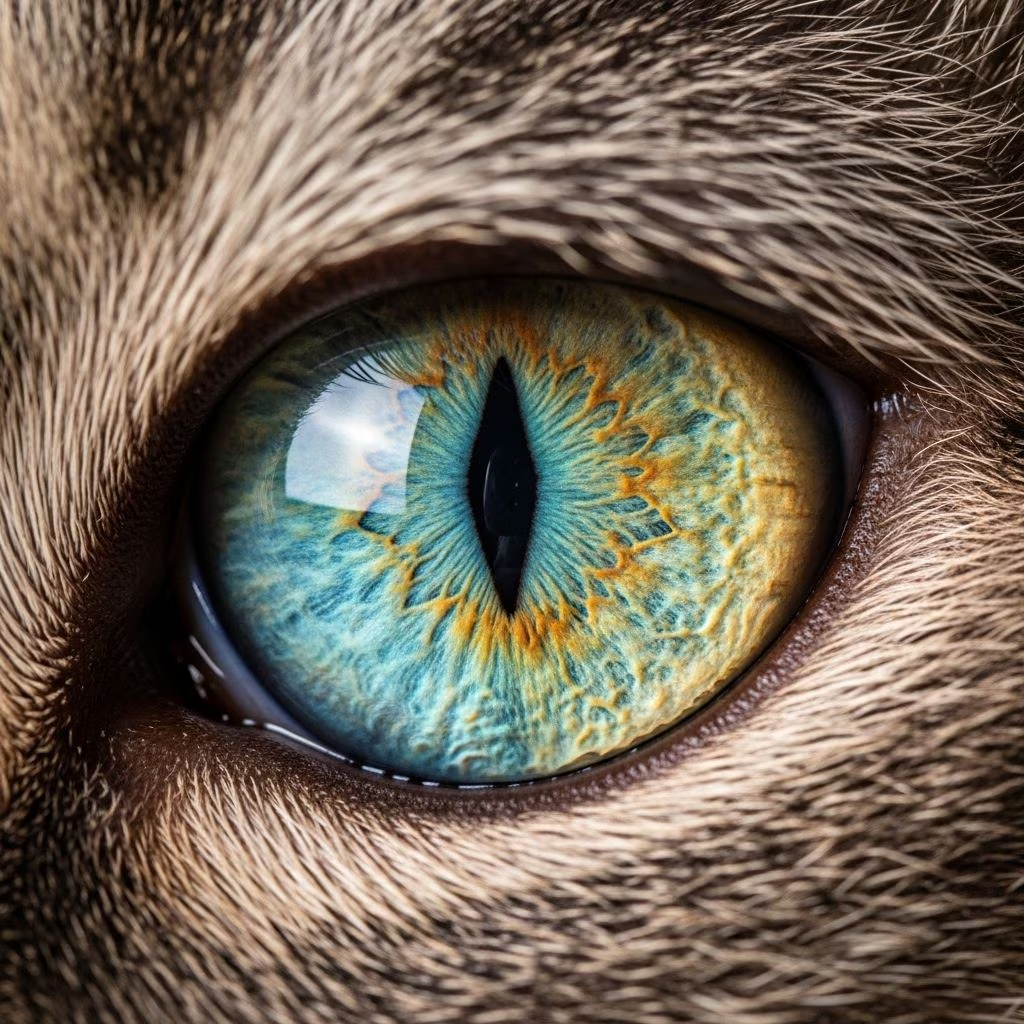
Cat eye colors can evolve over time due to genetic factors, developmental stages, injuries, or underlying health conditions. Understanding these shifts helps owners distinguish between harmless variations and signs needing veterinary attention.
The Science Behind Feline Eye Pigmentation
Eye color in cats stems from melanin, the pigment produced by melanocytes in the iris. High melanocyte levels yield orange or gold tones, moderate amounts create green or yellow, while low or absent pigmentation results in blue or odd-colored eyes.
During kitten development, eyes start blue because melanocytes haven’t fully activated. As they mature around 6-8 weeks, pigment builds, deepening colors to green, amber, or copper. This transition reflects polygenic control, where multiple genes influence melanin distribution, allowing littermates to show varied shades.
Common Eye Colors and Their Genetic Roots
Cats display a spectrum of eye hues, each tied to specific genetic markers:
- Blue: Linked to the white spotting (W) gene or breeds like Siamese; persists if melanocytes remain inactive.
- Green: Arises from lipochrome pigment scattering light, common in maturing kittens.
- Amber/Yellow: Balances green and orange pigments via moderate melanin.
- Copper/Gold: High melanin concentration, seen in Abyssinians.
- Hazel: Mix of green and brown from layered pigmentation.
In big cats, evolutionary studies reveal ancestral gray eyes enabled diversification to blues and greens via melanin mutations.
Heterochromia: When Eyes Differ in Color
Heterochromia iridis, or odd-eyed cats, features one blue eye and one colored eye. Primarily genetic, it’s prevalent in Turkish Van and white cats due to the W gene masking one eye’s pigment.
Non-genetic causes include trauma or diseases like glaucoma, altering melanin post-development (acquired heterochromia). Breeds with white coats carry higher risks, as the epistatic white gene suppresses pigment unevenly.
| Type | Causes | Examples |
|---|---|---|
| Congenital | White gene (Ww), breed traits | Turkish Van, Khao Manee |
| Acquired | Injury, uveitis, glaucoma | Post-trauma color shift |
Why Do Adult Cats’ Eye Colors Change?
Adult shifts signal potential issues. Normal deepening occurs gradually from kitten blues, but sudden changes warrant checks.
- Aging: Slight darkening from accumulated melanin.
- Nutrition/Environment: Deficiencies rarely affect eyes directly but impact overall health.
- Medications: Some drops alter appearance temporarily.
Pathological changes often involve iris inflammation or pigment loss.
Health Conditions Linked to Eye Color Shifts
Several diseases manifest via color alterations:
- Uveitis: Inflammation causes cloudiness or darkening; common in FIV/FeLV cats.
- Glaucoma: Pressure buildup leads to blue haze or pigment dispersion.
- Cataracts: Lens opacity mimics color change, appearing gray/white.
- Tumors/Melanoma: Dark spots or overall darkening.
- Corneal Issues: Scarring from ulcers turns eyes hazy.
Hypertension, diabetes, or hyperthyroidism can indirectly affect eyes through vessel damage.
Kitten Eye Development Milestones
Newborn kittens have sealed blue eyes opening at 7-14 days. Pigment emerges by 3-4 weeks, stabilizing by 12 weeks.
- Weeks 1-2: Eyes open, vivid blue.
- Weeks 4-8: Gradual shift to adult color.
- 3-6 Months: Final hue sets, barring anomalies.
Delayed changes past 6 months may indicate issues like persistent hyperplastic primary vitreous.
When to Consult a Veterinarian
Monitor for:
- Sudden one-eye changes.
- Cloudiness, redness, squinting.
- Dilated pupils, vision loss signs (bumping objects).
- Discharge, tearing, light sensitivity.
Annual exams catch early problems. Diagnostics include tonometry for pressure, fluorescein staining for ulcers, bloodwork for systemic disease.
Preventive Care for Healthy Feline Eyes
Maintain eye health through:
- Balanced diet rich in taurine, antioxidants (e.g., bilberries).
- Regular grooming to prevent tear staining.
- Avoiding trauma; trim claws, secure windows.
- Parasite control to curb infections.
- Indoor living reduces injury/abscess risks.
Breeds prone to issues (Persians, Siamese) need extra vigilance.
FAQs on Cat Eye Colors and Changes
Can a cat’s eye color change with age?
Yes, kittens’ eyes darken naturally, but adult abrupt changes need vet evaluation for diseases like uveitis.
What causes odd eyes in cats?
Genetics (white gene) for congenital cases; injury or illness for acquired.
Are blue eyes in adult cats normal?
Common in pointed breeds (Siamese); otherwise, may signal albinism or spotting genes.
Do diet or lighting affect eye color?
Diet supports health but doesn’t alter pigment; lighting influences perceived shade.
How do I know if my cat’s eye change is serious?
Accompanying symptoms like redness or behavior changes indicate urgency.
Breed Spotlight: Eye Colors by Feline Type
| Breed | Typical Eye Colors | Notable Traits |
|---|---|---|
| Siamese | Blue | Pointed pattern genetics |
| Abyssinian | Copper, Gold | High melanin |
| Turkish Van | Blue/Odd | Van pattern, heterochromia |
| Persian | Copper, Green | Prone to eye issues |
| Domestic Shorthair | Varied (Green, Yellow) | Polygenic diversity |
These variations highlight genetics’ role across breeds.
References
- Understanding Cats with Different Colored Eyes — Cat Tree UK. 2023. https://cattree.uk/understanding-cats-with-different-colored-eyes/
- Unlocking the kaleidoscope of big cat eyes: The surprising evolution — Harvard OEB. 2023-10-01. https://www.oeb.harvard.edu/news/unlocking-kaleidoscope-big-cat-eyes-surprising-evolution-felid-eye-color-diversity
- 8 Most Common Cat Eye Colors – Facts, Details, & Cat Breeds — Litter-Robot. 2024. https://www.litter-robot.com/blog/cat-eye-colors/
- Eye Colours — MessyBeast. 2022-05-15. http://messybeast.com/eye-colours.htm
- Exploring Feline Eye Colors: Genetics, Variations, and Care — Basepaws. 2023. https://basepaws.com/blog/cat-eye-colors-unveiling-the-mysteries-behind-your-felines-gorgeous-eyes



