

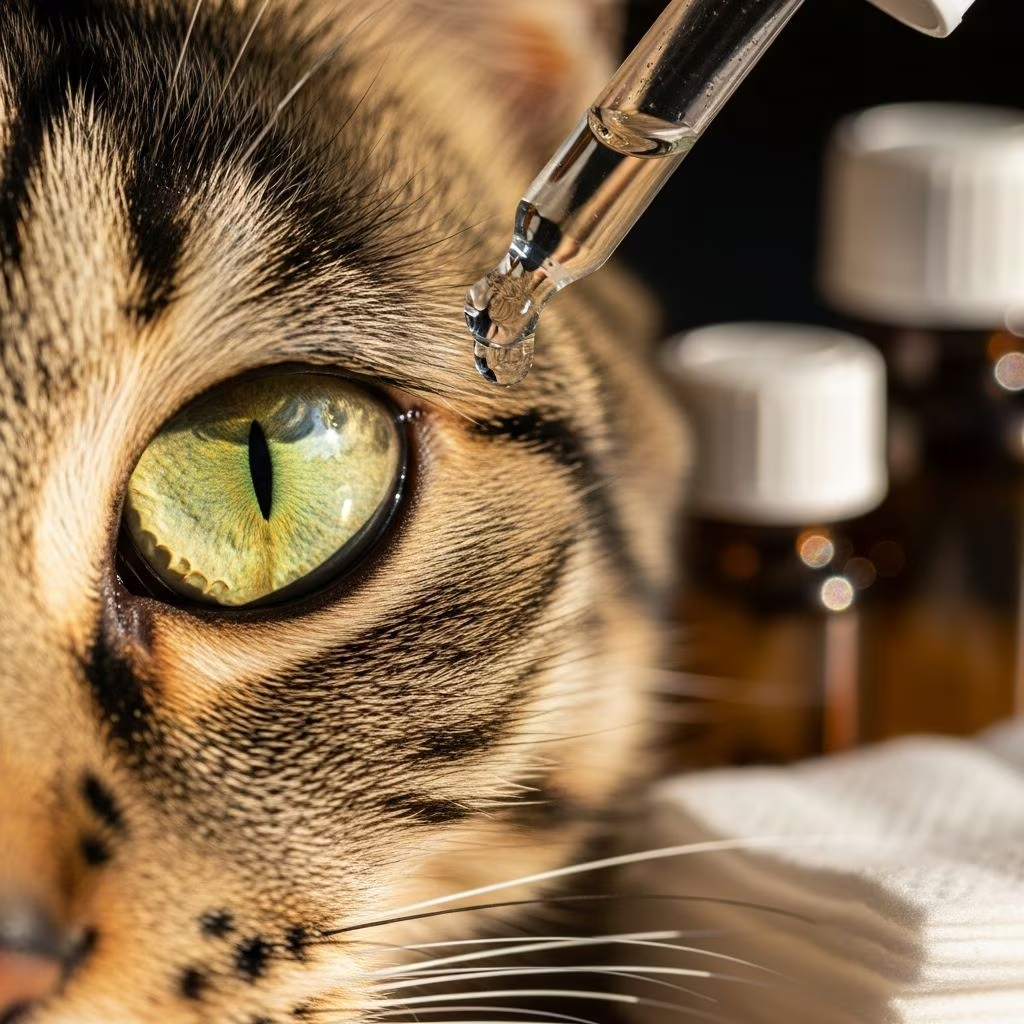
Eye infections in cats require prompt attention to prevent complications like vision loss. Antibiotics, particularly topical ointments, form the cornerstone of treatment for bacterial causes such as conjunctivitis or keratitis.
Recognizing Eye Infections in Cats
Cats often show clear signs when dealing with ocular issues. Common symptoms include excessive tearing, squinting, redness around the eyes, discharge that may be watery, mucousy, or pus-like, swelling of the eyelids, and cloudiness in the cornea. These can stem from bacteria, viruses, allergies, or injuries. Kittens and senior cats are especially vulnerable, as their immune systems may struggle more against pathogens like Chlamydophila or Mycoplasma.
Early detection matters because untreated infections can lead to ulcers or scarring. Observe your cat’s behavior: if it paws at its eyes or avoids light, seek veterinary care immediately. A professional exam, possibly including fluorescein staining to check for ulcers, guides accurate diagnosis.
Primary Bacterial Culprits in Feline Eyes
Bacterial invasions target the conjunctiva, cornea, or eyelids. Chlamydophila and Mycoplasma are frequent offenders causing conjunctivitis, often linked to upper respiratory infections. Secondary infections arise from feline herpesvirus or calicivirus, where bacteria exploit weakened tissues. Staphylococcus or Streptococcus species can also colonize scratches or foreign bodies in the eye.
Understanding the pathogen influences antibiotic choice. Vets may swab the eye for culture and sensitivity testing, ensuring targeted therapy and reducing resistance risks.
Topical Antibiotic Ointments: First-Line Defense
Topical applications deliver medication directly to the site, minimizing systemic side effects. These are ideal for superficial infections.
Terramycin Ophthalmic Ointment
Terramycin, containing oxytetracycline hydrochloride and polymyxin B, tackles a wide array of bacteria. It disrupts protein synthesis in bacteria and aids corneal ulcer healing by inhibiting damaging enzymes. Effective against conjunctivitis, pink eye, keratitis, blepharitis, and ulcers, apply a small ribbon inside the lower eyelid three to four times daily.
- Pros: Broad-spectrum, over-the-counter availability in some areas.
- Cons: May cause temporary blurred vision; avoid in rabbits or pregnant cats.
Vetropolycin Triple Antibiotic Ointment
This blend of bacitracin, neomycin, and polymyxin B targets gram-positive and gram-negative bacteria affecting eyelids and conjunctiva. It’s prescribed for infections resistant to single agents. Dosage mirrors Terramycin, with gentle cleaning beforehand.
- Key Benefits: Synergistic action reduces resistance likelihood.
- Caution: Neomycin sensitivity occurs in about 1-2% of cats; monitor for worsening redness.
Tetracycline Ophthalmic Ointment
Specific for Chlamydophila or Mycoplasma-driven conjunctivitis, tetracycline inhibits bacterial protein production. It’s a go-to for chronic or recurrent cases, applied similarly to others.
Oral Antibiotics for Systemic or Severe Cases
When infections spread or stem from respiratory issues, oral options step in. Azithromycin, a macrolide, treats Chlamydophila, Mycoplasma, Bartonella, and upper respiratory bacteria impacting eyes. Given once daily for 3-5 days, it penetrates tissues well.
Dosing is weight-based, typically 5-10 mg/kg. Side effects like vomiting are rare but possible; always follow vet instructions.
Adjunct Therapies to Enhance Antibiotic Efficacy
Antibiotics often pair with other treatments for optimal results.
- Corticosteroid Drops/Ointments: Reduce inflammation in conditions like episcleritis, scleritis, pannus, or eosinophilic keratitis. Never use solo in ulcers, as they slow healing.
- L-Lysine Supplements: Combat feline herpesvirus, preventing secondary bacterial flares. Powder or gel form, 500 mg daily.
- NSAIDs like Flurbiprofen or Diclofenac: Ease pain and swelling without steroids’ risks.
Step-by-Step Guide to Administering Eye Medications
Success hinges on proper technique:
- Clean the eye gently with saline or vet-approved wipes to remove crust.
- Hold the cat securely, tilting its head back.
- For ointments, squeeze a 1/4-inch strip into the lower conjunctival sac.
- For drops, instill 1-2 drops, then gently massage eyelids to spread.
- Wipe excess; prevent rubbing with an E-collar if needed.
- Store meds in a cool, dark place; discard after expiration.
Tips: Warm the tube in your hand for comfort. Treat both eyes if bilateral, even if one seems fine.
Potential Side Effects and Monitoring
| Medication | Common Side Effects | What to Watch For |
|---|---|---|
| Terramycin/Vetropolycin | Blurry vision, mild stinging | Allergic reaction (swelling, hives) |
| Tetracycline | Local irritation | Diarrhea if oral form used |
| Azithromycin | GI upset, decreased appetite | Lethargy, yellowing eyes (liver issue) |
| Corticosteroids | Increased thirst | Worsening ulcer, glaucoma signs |
Monitor daily: improvement should show in 48-72 hours. If not, revisit the vet—resistance or misdiagnosis may be at play.
Preventing Recurring Eye Infections
Proactive steps safeguard your cat:
- Keep litter boxes clean to cut bacterial spread.
- Vaccinate against calicivirus and herpesvirus.
- Quarantine new cats to prevent Chlamydophila transmission.
- Boost immunity with balanced diet, stress reduction.
- Regular vet check-ups for at-risk breeds like Persians.
When to Seek Emergency Vet Care
Rush to the vet if you see profuse bloody discharge, eye protrusion, sudden blindness, or deep corneal clouding. These signal ulcers, glaucoma, or trauma needing urgent intervention.
FAQs on Cat Eye Antibiotics
Can I use human eye drops on my cat?
No—human formulations may contain toxic preservatives. Stick to vet-prescribed feline-safe options.
How long do treatments last?
Typically 7-14 days, but complete the course even if symptoms resolve early.
Is Terramycin safe for kittens?
Yes, from 2 weeks old, but consult your vet for dosing.
What if my cat resists medication?
Burrito-wrap in a towel, enlist help, or ask about compounded flavors.
Can allergies mimic infections?
Yes—itchy, watery eyes without pus suggest allergies; antihistamines may help.
Holistic Supports Alongside Antibiotics
While antibiotics fight bacteria, supports like manuka honey eye washes (diluted) or omega-3 supplements reduce inflammation. Probiotics maintain gut health during oral therapy. Always vet-approved.
In multi-cat homes, isolate treated cats and disinfect surfaces. Long-term, address underlying immunosuppression from FIV/FeLV.
References
- Different Antibiotics in Cat Eye Infection Treatment — FP HC Clovis. 2024-05-15. https://www.fphclovis.com/site/blog/2024/05/15/different-antibiotics-cat-eye-infection-treatment
- Different Antibiotics in Cat Eye Infection Treatment — Animal Eye Guys. 2022-10-15. https://www.animaleyeguys.com/site/blog/2022/10/15/different-antibiotics-cat-eye-infection-treatment
- Antibiotics For Eye Infections in Cats — Carolina Veterinary Specialists Greensboro. 2020-09-25. https://www.greensboro.carolinavet.com/site/greensboro-specialty-veterinary-blog/2020/09/25/antibiotics-for-treatment-of-cat-eye-infections
- Antibiotic & Other Treatments For Eye Infections in Cats — Carolina Veterinary Specialists Charlotte. 2020-08-31. https://www.charlotte.carolinavet.com/site/charlotte-emergency-vet-blog/2020/08/31/treatment-for-eye-infections-in-cats-antibiotics-and-more
- Treatment for Eye Infections in Cats – Antibiotics and More — Memphis Veterinary Specialists. 2021-01-15. https://www.memphisveterinaryspecialists.com/site/blog-cordova/2021/01/15/treatment-for-eye-infections-in-cats-antibiotics-and-more
- Terramycin Eye Ointment for Cats and Dogs — PetMD. N/A. https://www.petmd.com/pet-medication/terramycin-oxytetracycline-polymyxin-b-ophthalmic-ointment



