

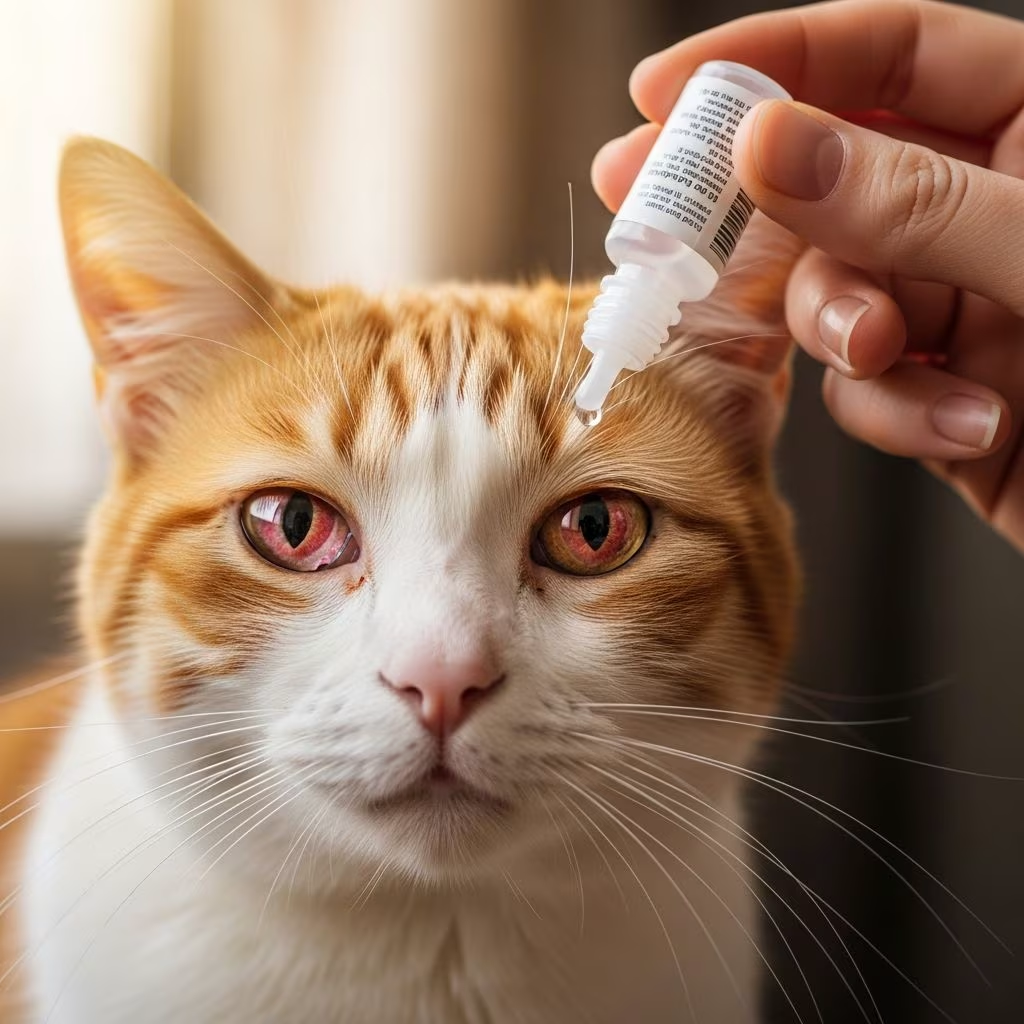
Human eye allergy drops are not recommended for cats due to differences in eye physiology and potential toxicity risks; veterinary-specific treatments are safer and more effective for feline eye irritation.
Understanding Feline Eye Allergies
Cats can develop eye allergies from environmental irritants, pollen, dust, or even reactions to their own proteins like Fel d 1 in saliva that spreads via grooming. Symptoms often include redness, excessive tearing, squinting, pawing at eyes, and discharge, which can mimic infections. These reactions occur when the cat’s immune system overreacts to allergens, releasing histamines that inflame the ocular tissues.
Unlike humans, cats have a third eyelid and thinner corneal layers, making their eyes more vulnerable to improper medications. Common triggers include household dust mites, mold, smoke, or seasonal pollen tracked indoors. Indoor cats may react to cleaning products or new furniture off-gassing chemicals. Recognizing these early prevents secondary issues like corneal ulcers.
Risks of Using Human Eye Drops on Cats
Human formulations like antihistamine drops (e.g., those containing azelastine or ketotifen) or decongestants can harm cats. Many contain preservatives like benzalkonium chloride, toxic to feline corneas, potentially causing ulcers or blindness. Steroid drops risk immune suppression, worsening infections common in cats.
- Absorption differences: Cats metabolize drugs slower, leading to buildup.
- pH mismatch: Human drops are too acidic or alkaline for cat eyes.
- Active ingredients: Pseudoephedrine or certain antihistamines cause hyperactivity, seizures, or heart issues in cats.
Veterinarians strongly advise against off-label use without guidance, as even “natural” human drops may introduce bacteria or irritants. A study from veterinary ophthalmology highlights that 20% of pet eye injuries stem from inappropriate human products.
Veterinary-Approved Eye Treatments for Cats
Consult a vet for diagnosis via fluorescein staining or allergy testing. Safe options include:
- Antihistamine eye drops: Vet-prescribed like olopatadine analogs, blocking histamine without toxicity.
- Mast cell stabilizers: Prevent allergen release, used prophylactically.
- Antibiotic/steroid combos: For secondary infections, short-term only.
- Artificial tears: Lubricate and flush allergens, safe for frequent use.
Oral meds like loratadine (Claritin, sans pseudoephedrine) may be vet-dosed at 5mg daily for mild cases, but never self-administer. Immunotherapy shots, adapted for pets, desensitize over months.
| Treatment Type | Examples | Best For | Duration |
|---|---|---|---|
| Topical Drops | Artificial tears, vet antihistamines | Mild irritation | Daily as needed |
| Oral Antihistamines | Loratadine (vet-dosed) | Systemic allergies | 1-2 weeks trial |
| Immunotherapy | Allergy shots | Severe, chronic | 3-6 months |
| Steroids (Rx only) | Prednisolone acetate | Inflammation | Short-term (5-7 days) |
Environmental Management for Allergy Relief
Reducing allergen exposure is foundational. Bathe cats weekly with gentle, allergen-reducing shampoos to remove Fel d 1 proteins from fur—studies show this cuts dander by 84% for weeks. Use HEPA air purifiers and vacuum with pet-specific filters twice weekly.
- Keep cats out of bedrooms for allergen-free sleep zones.
- Wash bedding in hot water weekly; use allergen-proof covers.
- Groom daily with wipes containing anti-Fel d 1 antibodies.
- Humidifiers maintain 40-50% humidity to trap allergens.
For multi-pet homes, designate cat-free zones. Plants like spider plants naturally filter air pollutants.
Home Remedies and Supportive Care
Safe at-home aids complement vet care:
- Cold compresses: Apply wrapped ice pack 5 minutes, reduces swelling.
- Saline rinses: Vet-approved sterile saline flushes debris.
- Omega-3 supplements: Fish oil reduces inflammation; 250mg EPA/DHA daily.
- Hypoallergenic diet: Novel proteins like duck minimize food-related flares.
Avoid human remedies like tea bags or milk drops, which breed bacteria. Monitor for worsening: cloudiness, deep ulcers need emergency care.
Preventing Eye Allergies in Cats
Proactive steps lower incidence:
- Vaccinate against respiratory viruses mimicking allergies.
- Regular grooming prevents saliva spread.
- Air quality monitors detect high allergen/pollutant levels.
- Annual vet eye exams catch predispositions early.
Breeds like Siamese produce more Fel d 1; choose low-allergen breeds like Sphynx if allergies run familial.
When to Seek Professional Help
Red flags include persistent discharge, vision loss signs (bumping objects), or pain vocalization. Vets use slit-lamp exams for precise diagnosis, ruling out glaucoma or herpesvirus. Delaying risks permanent damage; 30% of untreated feline conjunctivitis scars corneas.
FAQs
Can I use over-the-counter human eye drops like Visine on my cat?
No, Visine constricts blood vessels harmfully in cats, risking glaucoma. Opt for vet saline only.
How do I know if my cat’s eye issue is an allergy?
Look for bilateral redness/tearing without fever; vet tests confirm vs. infection.
Are there natural eye drops safe for cats?
Vet-formulated herbal drops with chamomile exist but require approval; DIY risky.
How long do cat eye allergy treatments take to work?
Drops relieve in hours; full environmental control 2-4 weeks.
Can diet help cat eye allergies?
Yes, antioxidants in salmon oil reduce inflammation over 4-6 weeks.
In summary, prioritize vet consultation over human drops for cat eye allergies. Combining meds, environment tweaks, and monitoring yields best outcomes for your pet’s eye health.
References
- Allergies To Cats: Symptoms, Treatment and Causes — Zyrtec. 2023. https://www.zyrtec.com/allergy-guide/indoors/allergy-symptoms-caused-by-cats
- Is Your Cat Causing Your Eye Allergies? Here’s What To Do — All About Vision. 2024. https://www.allaboutvision.com/eye-care/pets-animals/cats-and-human-eye-allergies/
- What Causes Pet Allergies and How To Manage Them — PetMD. 2025-02-10. https://www.petmd.com/general-health/what-causes-pet-allergies-and-how-to-manage-them
- Cat Allergies: Causes, Symptoms, and Treatments — WebMD. 2024. https://www.webmd.com/allergies/cat-allergies
- Allergic to Your Pet? Learn About Dog and Cat Allergies — Asthma and Allergy Foundation of America (aafa.org). 2023-08-15. https://aafa.org/allergies/types-of-allergies/pet-dog-cat-allergies/
- Pet Allergies: Causes, Symptoms, Treatment & Prevention — Cleveland Clinic. 2025-01-22. https://my.clevelandclinic.org/health/diseases/17702-pet-allergies



